Emergencies
Why Period Homes in Richmond & Twickenham Are Prone to Leaks
Older homes in Richmond and Twickenham carry real plumbing risks. Learn the common leak points in period properties and what to watch for.
Published 10 July 2026
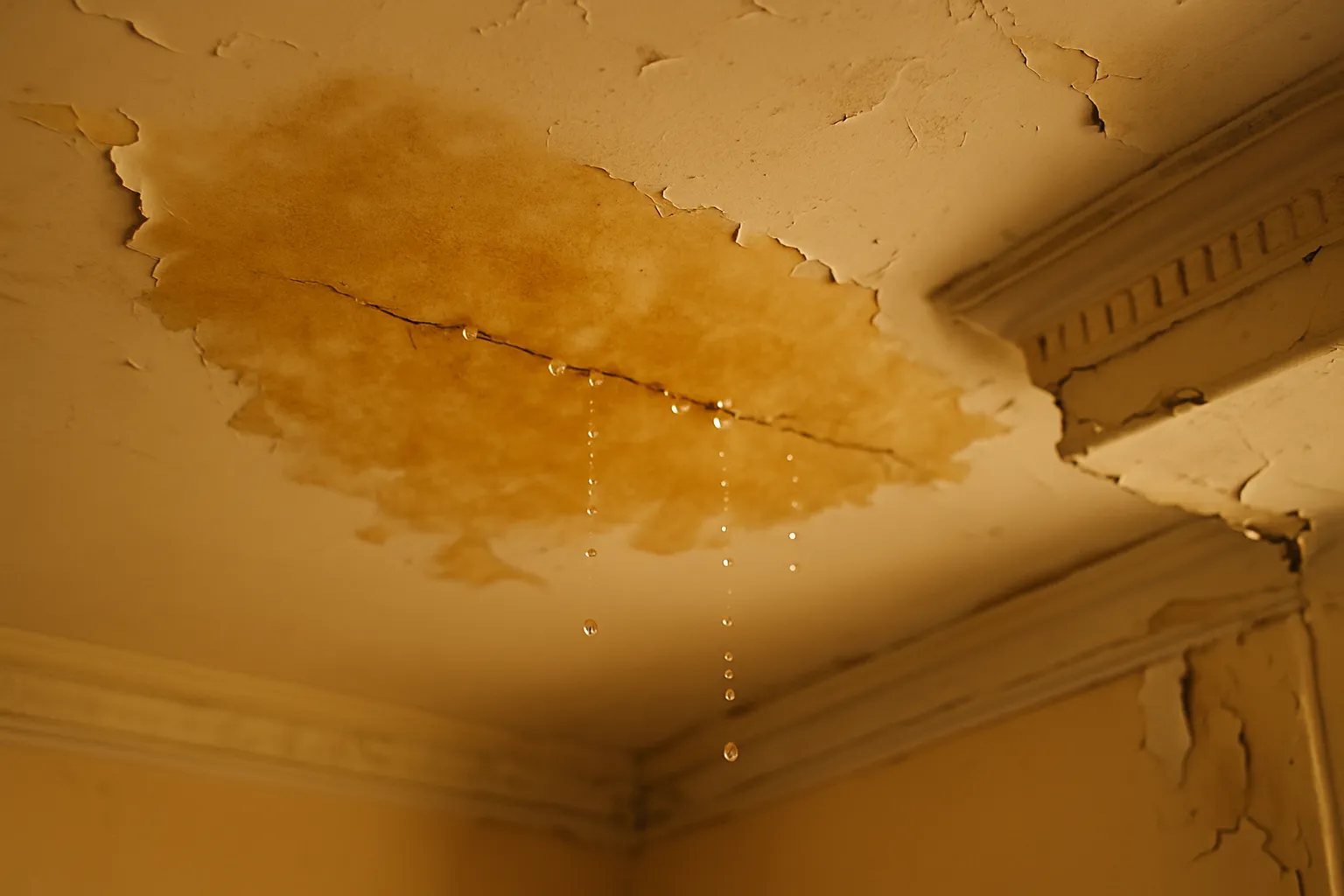
Richmond and Twickenham are rightly admired for their Victorian terraces, Edwardian semis, and Georgian townhouses. What estate agents describe as “period character” often comes with something less charming hidden behind the walls and beneath the floors: pipework that is decades — sometimes well over a century — past its best.
If you live in an older property in the TW9, TW10, TW1, or TW2 postcode areas, understanding where leaks typically start can help you catch a problem early, before a slow drip becomes serious water damage.
The Age of the Pipework
Many Richmond and Twickenham homes that have never had a full replumb are still running on lead or iron supply pipes installed before the Second World War, or on early copper installed in the 1950s and 1960s. Even copper, which is generally reliable, has a practical lifespan of around 50 years under normal conditions. Old lead pipework is both a leak risk and a water-quality concern.
Signs the pipework in your home may be original or near end-of-life:
- No record of a replumb in the property history
- Discoloured or metallic-tasting water
- Low water pressure that has gradually worsened
- Visible greenish corrosion on pipe joints
- A damp smell in rooms with concealed pipework
Common Leak Points in Period Properties
1. Compression and Soldered Joints
Older jointing methods — particularly early compression fittings and lead-wiped joints — become brittle and porous over time. Vibration from traffic (not uncommon near Richmond Road or the A316) accelerates this. A joint that has held for 60 years can fail with little warning.
2. Where Pipes Pass Through Walls and Floors
Victorian builders did not sleeve pipework where it passed through brick or timber. Over the decades, the pipe corrodes against the masonry or rubs against joists, wearing thin at those contact points. Leaks here are often hidden for months.
3. Lead Overflows and Supply Connections
Many period homes in Richmond still have original lead overflow pipes on cold-water tanks in the loft. These corrode from the outside in and can fail at the connection point, sending water into ceiling voids before you notice anything.
4. Victorian and Edwardian Radiator Systems
Older central heating systems — particularly those converted from back-boiler arrangements common in Twickenham terraces — may have steel radiators and original pipework with pinhole corrosion. Inhibitor levels in these systems are often low, accelerating internal rust.
5. Flat and Low-Pitch Roofs Over Extensions
Many Richmond and Twickenham homes have rear extensions added in the 1970s or 1980s. These often carry exposed pipework that is vulnerable to frost and UV degradation, and any leak from above can be mistaken for a roofing problem.
What to Watch For
You do not need to be a plumber to spot the early signs of a concealed leak. Keep an eye out for:
- Damp patches on ceilings, particularly after cold nights when pipes contract
- Bubbling or peeling paint on walls near pipework runs
- Soft or springy floorboards where there is no obvious cause
- A water meter that moves when all taps are off (a reliable sign of a leak somewhere on the supply)
- Unexplained increases in your water bill
The Challenge of Detection in Older Homes
In a modern property with accessible pipework, finding a leak is relatively straightforward. In a period home with solid brick walls, original lath-and-plaster ceilings, and pipework buried under Victorian tiled floors, it is considerably harder. Cutting into walls speculatively causes unnecessary damage.
Where a leak is suspected but not visible, professional leak detection using acoustic equipment or thermal imaging can pinpoint the source without destructive investigation. This is particularly valuable in Richmond and Twickenham, where the cost of reinstating original cornicing or period tiles makes unnecessary damage especially unwelcome.
Practical Steps You Can Take Now
- Know where your stopcock is and confirm it turns freely. In many older TW properties, the internal stopcock is under the kitchen sink or in a cellar, and it may not have been operated in years.
- Check your loft tank (if you have one) for signs of corrosion around the overflow and inlet connections.
- Read your water meter on a still evening, then again in the morning before any water is used. Any movement indicates a live leak.
- Keep a note of any damp patches — photograph them and monitor whether they grow.
When to Call
If you find a wet patch you cannot explain, water coming through a ceiling, or your meter is moving with all taps off, treat it as an emergency. Water moving through the fabric of a period home can cause structural damage and mould very quickly.
We cover Richmond, Twickenham, and the wider TW postcode area around the clock. Call us any time on 07360 268948 and we will help you find and stop the leak with as little disruption to your home as possible.