Emergencies
Excessive Water Bill After a Leak: How to Prove It to Your Water Board
Received a huge water bill after a hidden leak? Learn how to claim a Thames Water leak allowance and what evidence you need to support your case.
Published 2 August 2026
Why Your Water Bill Can Spike After a Hidden Leak
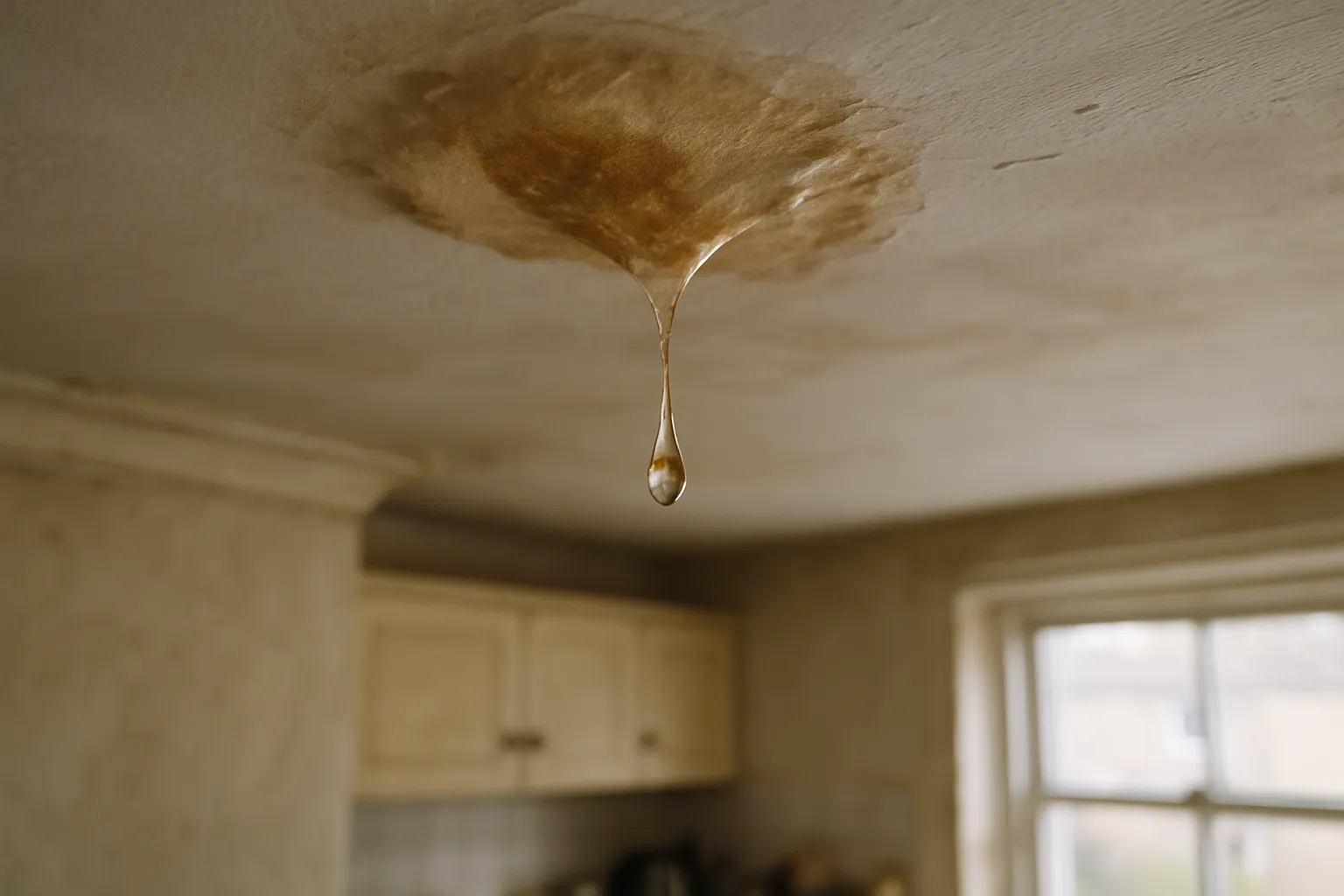
A slow, hidden leak — under a floor, inside a wall cavity, or beneath a garden — can go unnoticed for weeks or even months. By the time you spot the damage, your meter may have recorded thousands of litres of wasted water. The result is a bill that bears no resemblance to your normal usage.
The good news is that Thames Water (and most UK water companies) have a formal process for reviewing bills that have been inflated by an undetected leak. It is called a leak allowance (sometimes listed as a “leakage allowance” or “goodwill allowance”), and it exists precisely for this situation.
This guide explains what the policy covers, what evidence you need, and how to put a solid case together.
What Is a Thames Water Leak Allowance?
Thames Water’s leak allowance is a discretionary reduction applied to a bill where an undetected supply pipe leak has caused abnormally high consumption. It is not automatic — you have to apply — but it is a well-established policy.
Key points to be aware of:
- The allowance typically applies to supply pipes on your property (the section of pipe from the boundary stopcock to your internal stopcock). You are legally responsible for that section.
- Thames Water will generally expect the leak to have been repaired before they consider the application.
- They usually look at your average consumption history and calculate the excess above your normal usage.
- The allowance is discretionary. Thames Water will assess each case individually.
For the most current terms, visit Thames Water’s official website or call their billing team directly. Policies are updated periodically and the specifics matter.
Gathering the Evidence You Need
The strength of your case rests almost entirely on documentation. Here is what to pull together before you contact the water board.
1. Proof that a leak existed
- A written report from a qualified plumber stating the cause of the leak, its likely location, and an estimate of when it may have started (based on visible damage, corrosion, or moisture readings).
- Photographs of the burst or failed pipe, the surrounding damage, and any waterlogged ground or flooring.
- Moisture meter readings, if taken — these help demonstrate the extent and duration of saturation.
2. Proof that the leak has been repaired
- A dated invoice or job sheet from the plumber who carried out the repair, clearly describing the work done.
- Before-and-after photographs where possible.
3. Your meter readings
- Note your meter reading immediately after the repair is complete.
- If you can, take daily readings for a week or two afterwards to demonstrate that consumption has returned to normal. This is one of the most persuasive pieces of evidence you can provide.
4. Your billing history
- Gather your last two to three years of bills (or meter readings if you are on a metered supply). Thames Water will compare the disputed period against your baseline consumption to calculate the excess.
How to Submit Your Application
- Contact Thames Water’s billing team — by phone or through their online account portal. Ask specifically about a leakage allowance on your account.
- Provide your account number and explain the situation clearly and factually.
- Upload or post your supporting documents: the plumber’s report, repair invoice, photographs, and meter readings.
- Thames Water will review the submission and may ask follow-up questions. Keep copies of everything you send.
- You should receive a written decision. If you disagree with the outcome, you can escalate to Thames Water’s formal complaints process, and ultimately to the Consumer Council for Water (CCW) if the matter is not resolved.
What Reduction Might You Expect?
Thames Water does not publish a fixed refund figure, and no one can predict what any individual application will result in. The amount depends on how long the leak ran, your normal usage pattern, and the company’s assessment of the evidence. In general, the better your documentation, the stronger your position.
Other Water Companies in the TW Area
Parts of the TW postcode area are served by Affinity Water rather than Thames Water — particularly some areas near Staines and Spelthorne. Check your bill to confirm your supplier. Affinity Water operates a similar leakage allowance scheme under comparable terms, though the application process differs slightly. Contact their billing team for details.
Your Role, and the Plumber’s Role
It is worth being clear about how this process works. The water company’s allowance scheme is between you and your water company. A plumber’s job is to find the leak, fix it, and give you a thorough written record of what was found and what was done. That record belongs to you and you use it however you need to — including as evidence with your water company.
What matters is that the documentation is accurate, detailed, and dated. A vague invoice will not carry the same weight as a proper job report with photographs and moisture readings.
Dealing With the Leak Itself
If you are still dealing with an active leak — or you suspect a hidden one — getting it repaired quickly limits both the water waste and the damage to your property. The sooner the leak is stopped and documented, the cleaner your evidence will be.
If you are in the TW postcode area and need a plumber urgently, call us any time on 07360 268948. We are available 24 hours a day, seven days a week, and we provide a written report of all work carried out.