Emergencies
Burst Washing Machine Hose: A Top Cause of Home Floods
Why washing machine hoses fail, how to spot the warning signs, and what to do if yours bursts — practical advice for TW area homeowners.
Published 1 July 2026
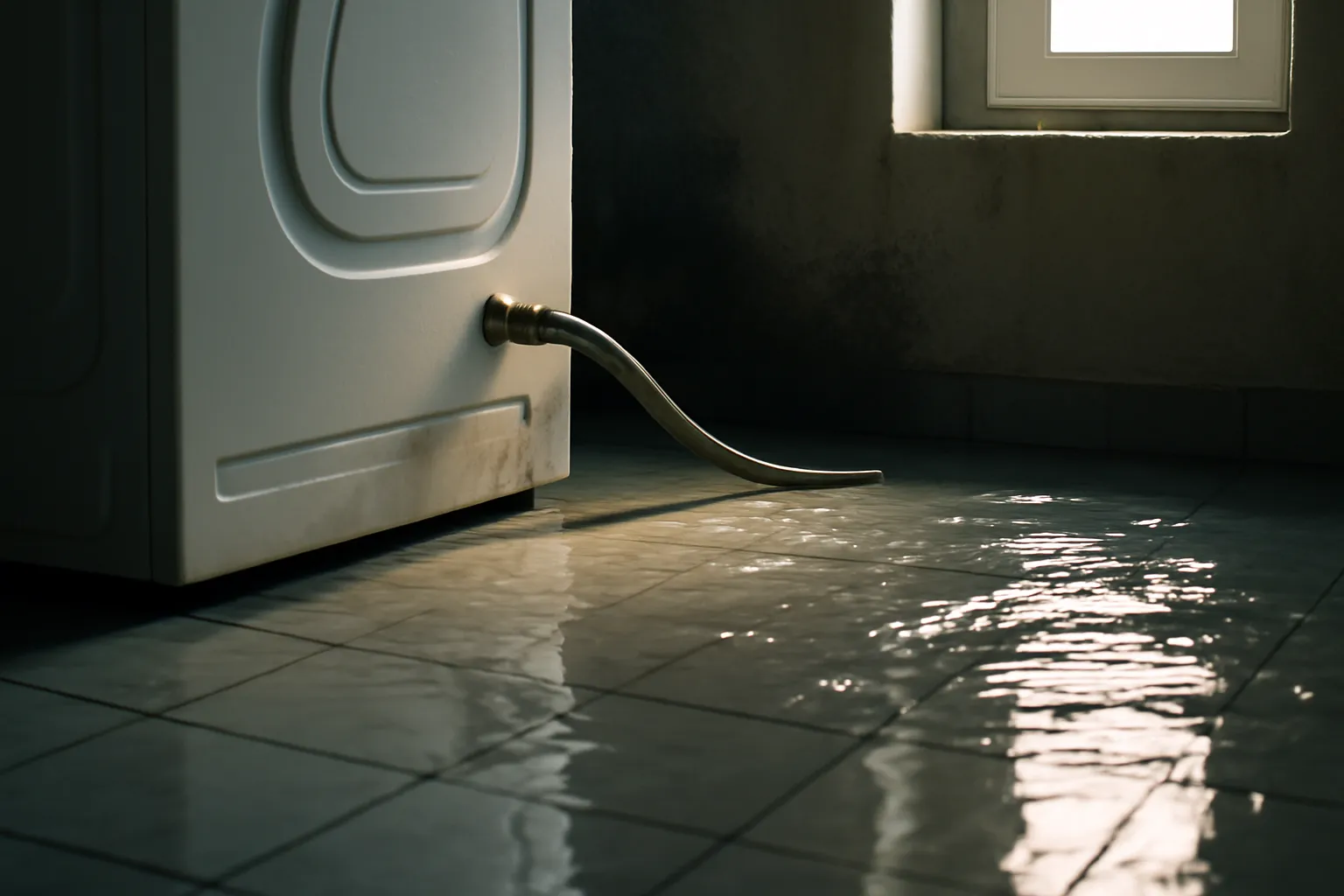
Why a Washing Machine Hose Can Flood Your Home in Minutes
A burst washing machine hose is one of the most common causes of serious household flooding — and one of the most preventable. The hose carries mains-pressure water directly into the machine, so when it fails, water pours out fast. A standard washing machine fills at around 10–15 litres per minute. Left unattended, even a partial failure can saturate floorboards, soak through ceilings, and cause thousands of pounds of damage before anyone notices.
If your hose has already burst, turn off the water supply immediately and call us on 07360 268948. We cover the TW postcode area around the clock.
Why Hoses Fail
Age and material fatigue
Most washing machines are supplied with basic rubber inlet hoses. Rubber degrades over time — it dries out, cracks, and eventually splits, particularly where the hose flexes near the connections. Many manufacturers and plumbing bodies recommend replacing rubber hoses every three to five years, yet most households never change them at all.
Braided hoses — better, but not bulletproof
Stainless-steel braided hoses look more robust and generally are. The braiding protects the inner rubber tube from kinking and abrasion. However, braided hose failure does still happen — usually at the metal end fittings, where corrosion or over-tightening causes the connection to crack. A braided hose that is five or more years old should still be inspected regularly and replaced if there is any sign of rust, staining, or weeping at the ends.
Poor installation
Hoses fitted at an awkward angle, kinked behind the machine, or cross-threaded onto the tap will fail prematurely. If your machine has ever been moved and pushed back hard against the wall, it is worth pulling it out to check the hose isn’t pinched or under strain.
High water pressure
Water pressure in parts of the TW area — particularly properties closer to the mains network in Hounslow, Feltham, and Staines — can run higher than average. Persistently high pressure accelerates wear on all flexible hoses and appliance connections. A pressure-reducing valve fitted to your incoming supply can help protect appliances and pipework throughout the house.
Warning Signs to Look For
Pull your washing machine out from the wall every year or so and check the following:
- Discolouration or staining on or around the hose connections
- Bulging or blistering along the length of a rubber hose
- Rust or corrosion at the metal end fittings on braided hoses
- Moisture or drips at the back of the machine, even when not in use
- Stiff or cracked rubber — the hose should be flexible, not brittle
Any of these signs means the hose should be replaced before it fails completely.
The Role of Isolation Valves
Every washing machine should have a dedicated isolation valve on the hot and cold supply pipes behind the machine. These are small inline valves — usually with a flat-head screw slot — that let you shut off the water to the appliance without turning off the supply to the whole house.
If you do not have isolation valves fitted, or you are not sure where they are, it is worth asking a plumber to install them. In an emergency, being able to isolate the machine in seconds rather than hunting for the stopcock can make a significant difference to how much water ends up on your floor.
What to Do If a Hose Bursts
- Turn off the isolation valve behind the machine, or the stopcock under the kitchen sink, immediately.
- Turn off the machine at the wall.
- Mop up standing water as quickly as possible to limit damage to flooring and ceilings below.
- Do not use the machine until the hose has been replaced and the connection checked.
- Call a plumber to inspect the supply pipework and fit a new hose correctly.
How Often Should You Replace Washing Machine Hoses?
As a practical rule of thumb:
- Rubber hoses — replace every 3–5 years
- Braided stainless hoses — inspect annually, replace every 5–7 years or sooner if there is any sign of corrosion
- Any hose — replace immediately if you see bulging, cracking, weeping, or rust
When you buy a new washing machine, do not assume the supplied hose is the best option. Upgrading to a quality braided hose at installation is a straightforward and inexpensive step.
Need Help Now?
If you have a burst hose, an active leak, or you simply want a plumber to check your appliance connections and fit isolation valves, we are available 24 hours a day across Twickenham, Teddington, Richmond, Isleworth, Hounslow, Feltham, Staines, and the surrounding TW postcode area.
Call us any time on 07360 268948.