Insurance
Accidental Damage vs Escape of Water: Which Applies to You?
Not sure whether your leak claim falls under accidental damage or escape of water? This guide explains both clauses and why the difference matters.
Published 30 June 2026
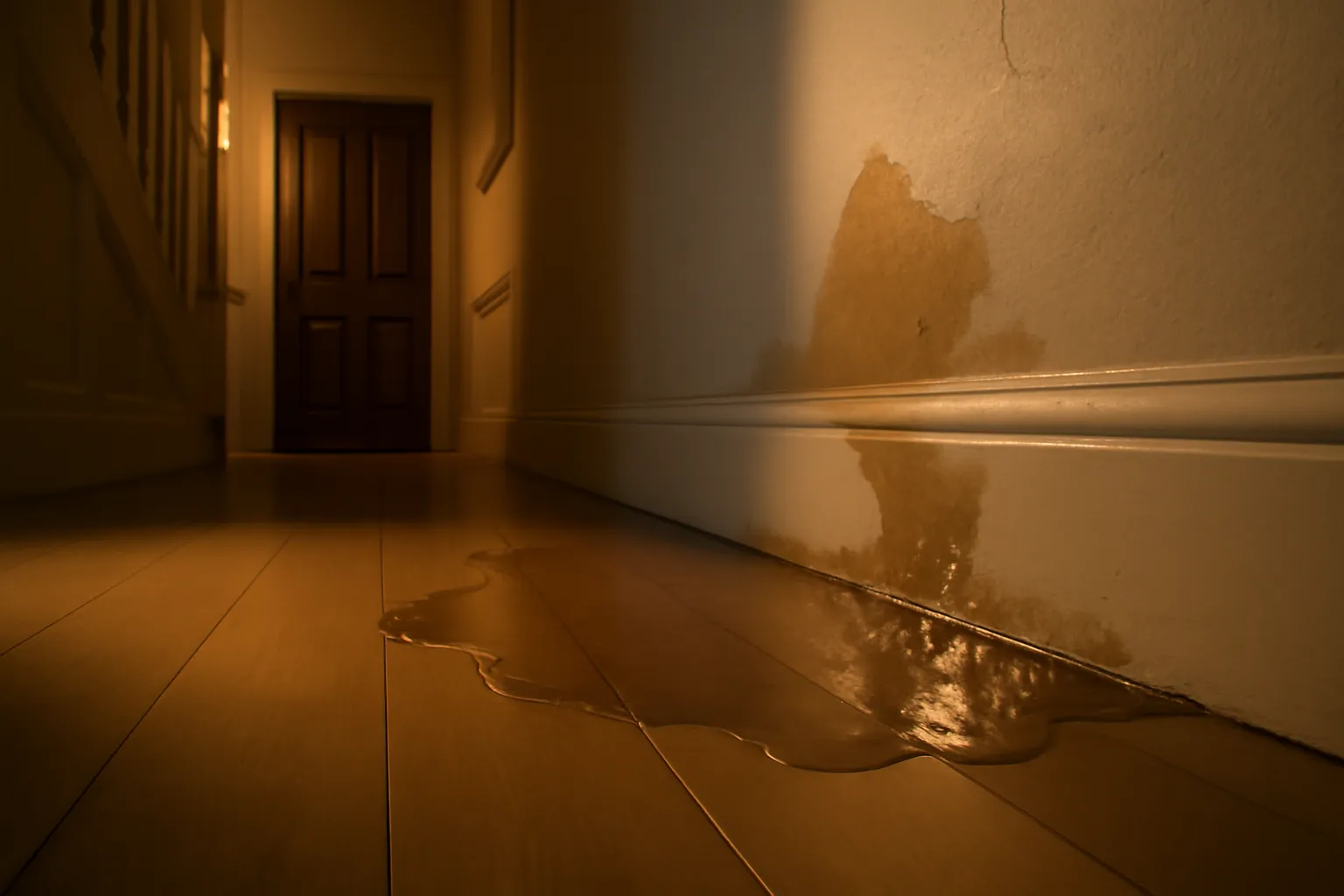
When a water leak soaks your ceiling or floods your hallway, the last thing you want is a debate with your insurer about which clause covers the damage. Yet that debate happens all the time — and the outcome can affect whether your claim is paid in full, reduced, or declined altogether. Understanding the difference between accidental damage and escape of water before you pick up the phone to your insurer can save you a great deal of frustration.
What Does “Escape of Water” Mean?
Escape of water is a standard peril listed in most buildings and contents insurance policies. It covers damage caused by water leaking, overflowing, or bursting from:
- Fixed water or heating pipes
- Tanks, cisterns, or radiators
- Washing machines, dishwashers, or other fixed domestic appliances
- Baths, sinks, or basins
The key word here is fixed. The source of the water must be part of the permanent plumbing or appliance infrastructure of the home. If a pipe inside your wall corrodes and leaks over months, gradually damaging your flooring and joists, that is almost certainly an escape of water claim.
Escape of water cover is usually included as standard in buildings insurance, though the excess can be high — sometimes £250 to £500 or more — so it is worth checking your policy schedule.
What Does “Accidental Damage” Mean?
Accidental damage covers sudden, unintended, and unexpected physical damage caused by an external force. Classic examples include:
- Drilling through a pipe when putting up a shelf
- A child putting a toy through a fish tank
- Dropping a heavy object onto a floor and cracking a pipe beneath it
The crucial distinction is human error causing a one-off event. Accidental damage is typically an optional add-on rather than a standard inclusion, so many homeowners simply do not have it — or have it for contents but not buildings, or vice versa.
Which Clause Covers What?
Here is a straightforward way to think about it:
| Scenario | Most Likely Clause |
|---|---|
| Pipe bursts due to age or frost | Escape of water |
| Radiator valve fails and floods room | Escape of water |
| Washing machine hose splits | Escape of water |
| You drill into a pipe by mistake | Accidental damage |
| Contractor punctures a pipe during work | Accidental damage (or contractor’s liability) |
| Slow drip behind a wall over months | Escape of water (possibly disputed if gradual) |
What About Gradual Leaks?
Gradual or long-term leaks sit in tricky territory. Many policies exclude damage that has occurred over a long period, arguing that a reasonable homeowner would have spotted and fixed it sooner. If a leak has been present for weeks or months, an insurer may apply a gradual deterioration exclusion, even if the clause is technically escape of water. This is one reason why acting quickly when you notice damp patches, staining, or a rising water bill is so important.
Why the Distinction Changes Your Claim
Getting the clause wrong when you report the claim can cause problems:
-
Different excesses. Accidental damage and escape of water often carry separate excess amounts. Reporting under the wrong clause could mean you pay more out of pocket than necessary.
-
Different cover limits. Some policies cap one type of claim at a lower limit than the other.
-
Add-on vs standard cover. If you claim under accidental damage but you never purchased that add-on, the claim will be declined outright — even if escape of water would have covered the same damage.
-
Trace and access. Many escape of water sections include a trace and access benefit, which pays for the cost of finding a hidden leak (cutting into walls or floors) even if the resulting repair is not covered. This is rarely available under accidental damage.
Steps to Take Before You Call Your Insurer
- Stop the water first. Locate your stopcock and turn it off. If you cannot find it or the leak is severe, call a plumber immediately.
- Document everything. Photograph the damage, the source (if visible), and any damaged belongings before moving or drying anything.
- Note the timeline. When did you first notice the problem? Was there a specific event (drilling, a bang, a sudden flood) or did damage appear gradually?
- Check your policy schedule. Look for the escape of water and accidental damage sections separately. Note the excesses and any exclusions around gradual deterioration.
- Get a plumber’s report. Insurers often request written confirmation of the cause and source of the leak. A plumber who attends can provide this.
When to Call a Plumber First
If water is still coming in, the insurance question can wait. Stopping the leak quickly limits the damage and strengthens your claim — insurers expect policyholders to take reasonable steps to mitigate loss.
If you are in the TW postcode area and you have a leak that cannot wait, call Emergency Plumbers TW on 07360 268948. We are available 24 hours a day, seven days a week, and we can provide documentation of the fault to support your insurance claim.