Emergencies
When a Small Leak Is Actually an Emergency
Not every drip can wait until morning. Learn when a small leak is a genuine plumbing emergency and when you can safely manage it yourself.
Published 1 July 2026
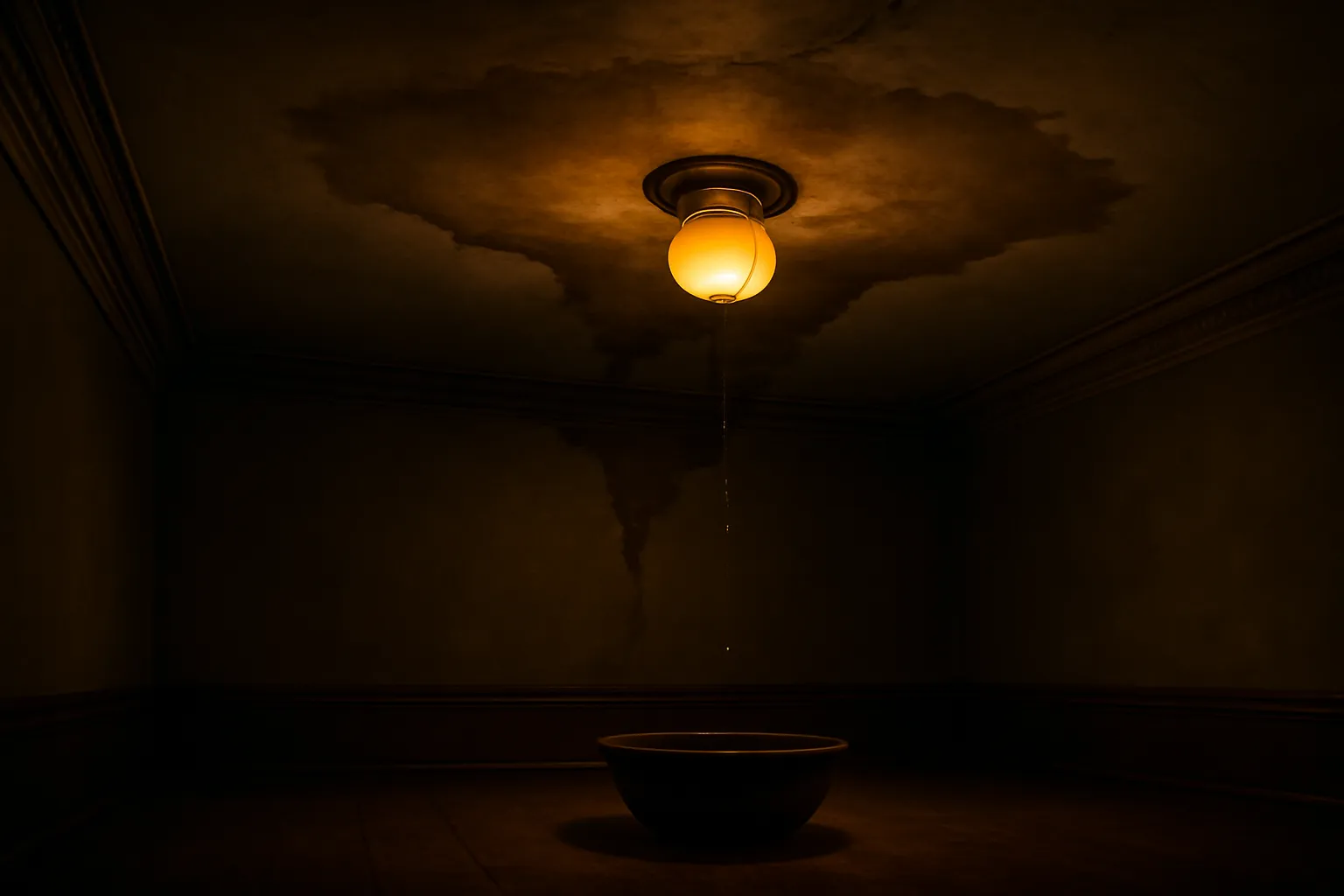
Is Your Small Leak Actually an Emergency?
A slow drip from a tap or a damp patch under the sink can feel minor — and sometimes it is. But in certain situations, even a modest leak can escalate quickly into serious structural damage, a health hazard, or a safety risk. Knowing the difference could save you thousands of pounds and, in rare cases, prevent real danger.
This guide helps you decide: handle it yourself, monitor it overnight, or call a plumber right now.
The Three Questions to Ask First
Before you do anything else, work through these three questions.
1. Is water near any electrics?
This is the single most important check. Water and electricity are a dangerous combination. Look for:
- Ceiling lights or downlighters below a leaking pipe or wet floor above
- Plug sockets, fuse boards, or extension leads in the splash zone
- Water tracking along a wall that contains wiring
If the answer is yes, treat it as an emergency. Switch off the electricity at the consumer unit if you can do so safely and without touching wet surfaces, then call us immediately on 07360 268948.
2. Is the leak getting worse, or can you not stop it?
A drip that stays a drip is very different from a drip that becomes a trickle over ten minutes. Ask yourself:
- Is the wet patch spreading?
- Have you turned off the relevant isolation valve and the leak has stopped? (If so, you may have a short window to arrange a non-emergency repair.)
- Can you not find or turn off the stop tap?
If the leak is accelerating or you cannot isolate the supply, call now.
3. Is water entering from above — ceiling, floor, or a wall cavity?
Water that has already penetrated a structure is doing hidden damage you cannot see. Saturated plasterboard, joists, and insulation can:
- Collapse suddenly under their own weight
- Harbour mould within 24–48 hours
- Mask a much larger pipe failure behind the surface
A bulging or discoloured ceiling patch is a warning sign that the volume of water above is significant, even if only a small amount is currently dripping through.
When You Can Safely Wait
Some leaks genuinely are low-risk for a few hours. You can usually monitor rather than call immediately if all of the following are true:
- You have isolated the water supply and the leak has stopped completely
- There are no electrics nearby
- The leak is contained (a bowl or towel is catching it)
- There is no sign of water in walls, ceilings, or floors
- The affected area is a kitchen or bathroom with tiled, waterproof surfaces
Even then, arrange a repair for the next available slot — do not leave an isolated supply off for days and assume the problem has gone away.
Situations That Are Always an Emergency
Call 07360 268948 immediately if:
- Water is near or has reached any electrical fitting or consumer unit
- You cannot find or operate your stop tap and water is flowing freely
- A ceiling is bulging, sagging, or has already come down
- The leak is from a boiler, hot water cylinder, or central heating pipe and you cannot isolate it
- Water is visibly running down an internal wall
- The leak started after a sudden bang or the sound of a pipe bursting
Practical First-Aid Steps While You Wait
If you have called us and are waiting for our engineer:
- Locate your stop tap — usually under the kitchen sink or where the supply enters the property — and turn it off clockwise.
- Turn off the boiler and allow the system to cool if the leak is near heating pipework.
- Switch off electricity at the consumer unit if water is anywhere near electrics.
- Place towels or a container to limit spread and reduce slip risk.
- Take photos of the leak and any damage — useful for insurance purposes.
- Do not drill or cut into walls or ceilings to investigate; leave that to the engineer.
A Word on Structural and Mould Risk
Water damage is deceptive. A small visible leak can represent a much larger volume of water that has been accumulating unseen. Timber joists can begin to rot, and mould spores can establish within two days in damp conditions. Acting quickly is nearly always cheaper than waiting.
Still Not Sure? Call Us
If you are reading this at 2 am and something feels wrong, trust that instinct. Our engineers cover the TW postcode area around the clock — Twickenham, Richmond, Teddington, Hounslow, Staines, and everywhere in between.
Call us any time on 07360 268948 and describe what you are seeing. We will give you an honest assessment and get someone to you as quickly as possible.