Emergencies
What to Photograph and Document Before You Clean Up a Leak
An evidence checklist to protect your insurance claim after a water leak, plus how a plumber's report strengthens your case.
Published 30 June 2026
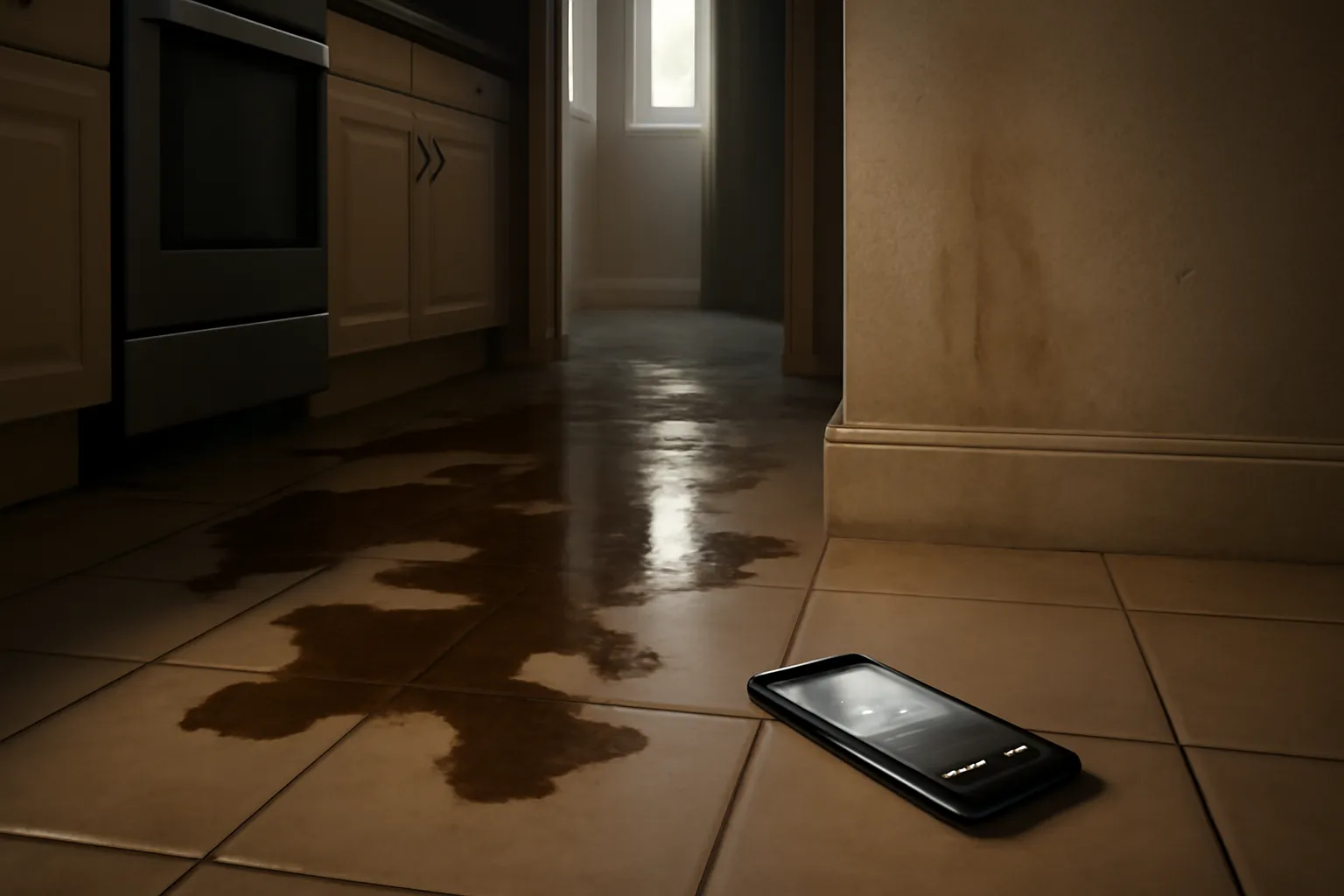
Stop. Document First. Clean Second.
When water is spreading across your floor, every instinct tells you to grab towels and start mopping. Resist that urge for just a few minutes. The evidence you capture in those first moments is often the difference between a straightforward insurance payout and a protracted dispute. This guide walks you through exactly what to record before you touch anything.
Why Documentation Matters So Much
Insurers need to establish three things: that the damage happened, what caused it, and how extensive it was before any remediation took place. Once you have cleaned up, dried out, and repaired, that evidence is gone. A few minutes with your phone now can save weeks of back-and-forth later.
Your Pre-Clean-Up Evidence Checklist
1. Photograph the Source
- Get as close as safely possible to where the leak is coming from — a burst pipe joint, a failed seal under the sink, a cracked appliance hose.
- Take multiple angles: wide shot showing context, mid shot, close-up.
- If water is still actively flowing, capture that on video. Even a ten-second clip is valuable.
2. Show the Spread
- Photograph every room, cupboard, or area that has been affected.
- Include water marks on walls and skirting boards, wet flooring, and any pooling water.
- Use a ruler, a shoe, or a household object in frame to give a sense of scale.
3. Record the Damage to Belongings
- Photograph damaged furniture, appliances, carpets, and personal items in situ — before you move them.
- Open cupboard doors and photograph contents that have been soaked.
- Do not throw anything away yet. Insurers may want to inspect items or request proof of value.
4. Note the Date and Time
- Your phone’s camera will embed a timestamp in the image metadata, but it is worth double-checking your phone’s clock is correct.
- Send a few photos to yourself by email immediately — this creates an independent timestamp.
5. Check Your Water Meter
- Write down the meter reading straight away. This can help quantify how much water was lost and supports your account of when the leak started.
6. Capture Any Pre-Existing Conditions
- If there are areas that were already damaged before the leak (old staining, prior repairs), photograph those too. It protects you from having old damage attributed to your current claim.
Make Written Notes While It Is Fresh
Photographs are powerful, but a short written account adds important context. Jot down:
- When you first noticed the leak or the damage
- What you heard, saw, or smelled (running water sounds, damp smell, discolouration)
- Any recent work done in the area (a new appliance fitted, a previous repair)
- Steps you took to limit further damage — turning off the stopcock, for example
Keep this note alongside your photos. A simple email to yourself works perfectly.
The Plumber’s Report: Your Strongest Piece of Evidence
A professional plumber’s written report is often the single most persuasive document in a household insurance claim. It establishes:
- The cause — whether the leak was sudden and accidental (typically covered) or the result of gradual deterioration (sometimes disputed)
- The location and extent — precise details an insurer cannot challenge
- The repair required — confirming that the work was necessary and appropriate
At Emergency Plumbers TW, we attend leaks across the TW postcode area around the clock. When we attend your property, we can provide a written report of our findings — documenting the source, the cause, and the remedial work carried out. Ask us for this when we arrive; it costs nothing extra and can make a real difference when you speak to your insurer.
Once You Have Documented: Then Clean Up
With your evidence captured, you should act promptly to limit further damage. Insurers expect you to take reasonable steps to prevent things getting worse — this is known as your duty to mitigate. That means:
- Turning off the water supply at the stopcock if you have not already done so
- Moving belongings away from spreading water
- Laying down towels or buckets
- Ventilating the area
Keep any receipts for emergency materials you buy (replacement towels, a wet vacuum hire, a dehumidifier) as these costs may be recoverable.
A Quick Summary
| Step | What to capture |
|---|---|
| Source of leak | Photos and video from multiple angles |
| Spread of water | Every affected room, wall, and floor |
| Damaged belongings | In situ, before moving |
| Meter reading | Written note with time |
| Written account | What happened, when, and what you did |
| Plumber’s report | Request this when we attend |
Need a Plumber Right Now?
If you have a leak that is still active or you are unsure whether the water supply is fully isolated, call us before you do anything else. We cover the TW postcode area — Twickenham, Richmond, Teddington, Hounslow, Feltham, Staines, and everywhere in between — every hour of the day and night.
Call Emergency Plumbers TW: 07360 268948
We will make the property safe, carry out the repair, and provide the written documentation you need to support your claim.