Insurance
What a Loss Adjuster Does (and How to Deal With One)
Understand what a loss adjuster does after water damage, how they assess your claim, and how to make sure your repair case is properly represented.
Published 30 June 2026
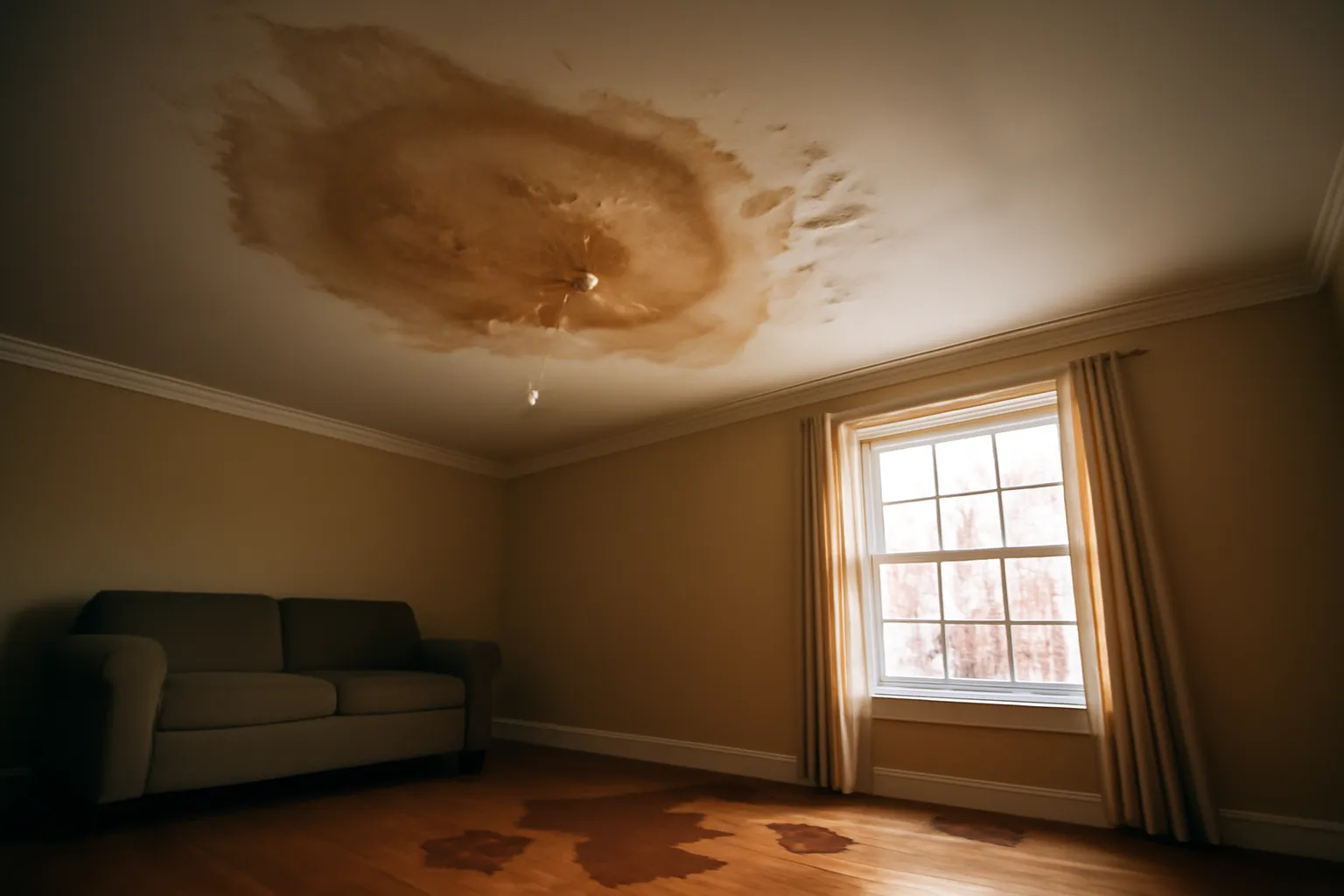
If water has come through your ceiling, soaked your floors, or caused serious damage to your home, there is a good chance your insurer will send a loss adjuster to assess the claim before they agree to pay out. For many homeowners this is the most confusing part of the whole process — so here is a plain-English explanation of what to expect and how to protect your position.
What Is a Loss Adjuster?
A loss adjuster is an independent professional appointed — and paid — by your insurance company to investigate a claim. Their job is to:
- Establish exactly what happened and when
- Decide whether the damage falls within your policy terms
- Assess the cost of putting things right
- Recommend to the insurer how much (if anything) to pay
It is worth understanding that, although loss adjusters are expected to act fairly, they are instructed by your insurer. Their report will directly influence how much you receive.
What Happens During a Visit?
The loss adjuster will usually visit your property to inspect the damage in person. During that visit they will typically:
- Photograph all affected areas
- Ask you to describe how and when the damage occurred
- Review any evidence you have gathered (photos, plumber’s reports, receipts)
- Ask whether the issue was reported and repaired promptly
- Look for signs of pre-existing damage or lack of maintenance
The visit can feel formal, but it is a technical conversation. If a plumber carried out the repair, their written record of what was found is usually what the adjuster wants to see.
What They Are Looking For
Loss adjusters often look for reasons a claim falls outside policy cover. Common grounds for reducing or rejecting a water damage claim include:
- Gradual damage — a slow leak that was not reported promptly may be classed as a maintenance issue rather than a sudden event
- Wear and tear — if pipework or fittings were already deteriorating, the insurer may argue the damage was foreseeable
- Delayed action — if you did not take reasonable steps to stop further damage (such as turning off the water supply), the claim may be reduced
- Lack of evidence — without photos, a plumber’s report, or a call-out record, it can be difficult to prove exactly what happened
How to Strengthen Your Case
Act Quickly and Document Everything
As soon as you discover a water leak or flood, take photographs and video of all affected areas before anything is moved or dried out. Note the date and time. If water is coming through the ceiling, photograph the source room above as well.
Get a Written Report From Your Plumber
A professional plumber’s report carries real weight with a loss adjuster. It should state:
- The cause of the leak
- Whether it was sudden or gradual
- What repairs were carried out and when
- Whether the damage was consistent with the reported cause
When you call us to an emergency, we can provide a written account of what we found and what we did. Keep a copy for your insurer.
Keep All Receipts and Invoices
Emergency call-out costs, drying equipment hire, temporary accommodation — keep every receipt. Your policy may cover some or all of these costs, but only if you can evidence them.
Do Not Dispose of Damaged Items Too Quickly
It is tempting to clear up as fast as possible, but try to keep damaged materials (sections of burst pipe, damaged ceiling plasterboard) until the loss adjuster has visited. If that is not practical, photograph them thoroughly before disposal.
Loss Adjuster or Loss Assessor?
The two sound alike and are easily confused. A loss adjuster is appointed by, and works for, the insurer. A loss assessor works for the policyholder, and helps put together and negotiate a claim. Loss assessors are regulated, and they typically charge a percentage of the final settlement.
Some people appoint one for large or complex claims. Whether it is worthwhile is entirely a decision for you, weighed against the size of the claim. We are plumbers and we are neither of these things, so we have no view to sell you and no fee either way.
How We Can Help
Our role is to get your home safe and dry as quickly as possible. But we also understand that a clear, professional account of what we found at your property can make a real difference to how a loss adjuster views your claim. When we attend a water damage emergency in the TW area, we are happy to:
- Provide a detailed written report of the cause and extent of the damage
- Explain our findings in plain language you can pass on to your insurer
- Advise on whether further investigation (such as a leak detection survey) would strengthen your case
Still Dealing With an Active Leak?
If water is still coming through your ceiling or you have not yet had the source repaired, that needs to happen before anything else. Leaving an active leak will only give a loss adjuster more grounds to question whether you took reasonable steps to limit the damage.
Call us any time on 07360 268948 — we cover the TW postcode area around the clock, every day of the year. Get the leak stopped first, then deal with the paperwork.