Insurance
Buildings vs Contents Insurance: What Each Covers for Water Damage
Understand what buildings and contents insurance each cover for water damage, so you know which policy to claim on after a plumbing emergency.
Published 29 June 2026
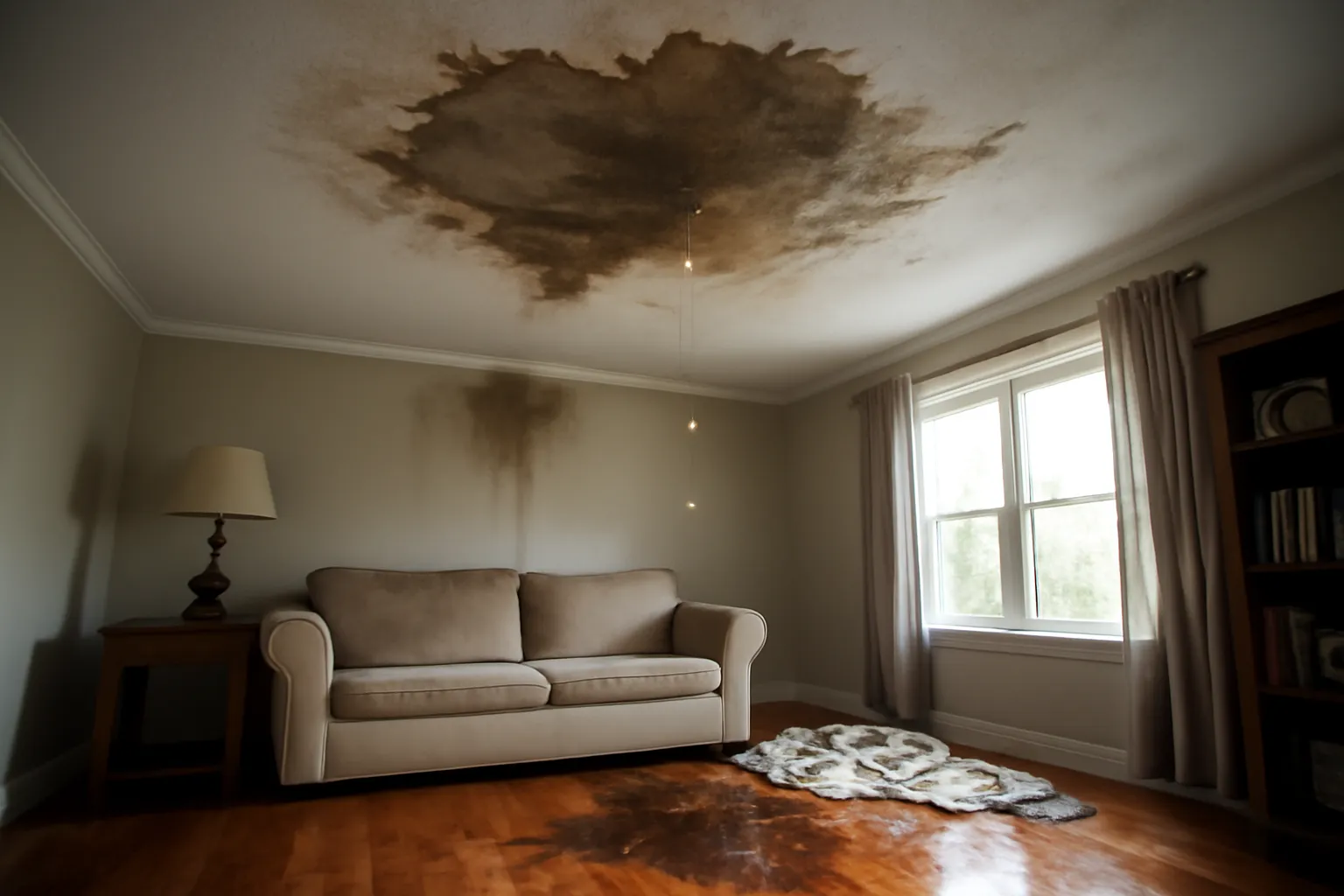
When water damage strikes your home, the last thing you want is to discover you’ve claimed on the wrong policy — or that you assumed something was covered when it wasn’t. Understanding the difference between buildings and contents insurance before an incident happens can save you a great deal of stress and money.
What Is Buildings Insurance?
Buildings insurance covers the physical structure of your home — the parts you couldn’t pick up and take with you if you moved. This includes:
- Walls, floors, ceilings and the roof
- Permanent fixtures such as fitted kitchens and bathroom suites
- Built-in wardrobes and cupboards
- Pipes, drains and cables within the structure of the building
- Windows, doors and external structures such as garages
For water damage specifically, buildings insurance typically covers sudden and unexpected damage to the structure caused by events such as a burst pipe, a leaking roof, or water escaping from a fixed appliance like a washing machine.
What Buildings Insurance Usually Does Not Cover
- Gradual deterioration or damage that has built up over time
- Poor workmanship or lack of maintenance
- Storm damage to fences (often excluded separately)
- The cost of finding and repairing the source of a leak (trace and access cover is sometimes an add-on)
What Is Contents Insurance?
Contents insurance covers your belongings — everything you own that you could, in theory, take with you when you move. This includes:
- Furniture, soft furnishings and curtains
- Clothing and personal items
- Electrical goods, appliances and gadgets
- Carpets and rugs (these are often treated as contents, not structure)
- Valuables such as jewellery
For water damage, contents insurance would typically pay out if a burst pipe or leak ruins your sofa, ruins your television, or soaks through a carpet you own.
What Contents Insurance Usually Does Not Cover
- Damage to the building itself
- Items left outside or in an outbuilding unless specifically included
- High-value items above a single-article limit unless separately listed
- Damage caused by gradual leaks you were aware of but did not act on
The Grey Areas: Where Confusion Often Arises
Carpets and Flooring
Whether carpets are covered by buildings or contents insurance depends on your insurer and whether they are fitted or loose. Most insurers treat fitted carpets as contents, but some treat them as part of the building. Check your policy documents carefully.
Trace and Access
If a plumber needs to break through a wall or floor to find and fix a hidden leak, the cost of locating the leak and making good the damage to the structure is known as trace and access. This is not automatically included in every buildings policy — it is often a separate add-on. If you have a concealed leak, check whether your buildings policy includes this cover before you assume it does.
Escape of Water
Most buildings and contents policies include escape of water as a named peril. This covers damage caused by water escaping from fixed plumbing — a burst pipe, a leaking tank, or a faulty appliance hose. However, the policies work in parallel: buildings covers structural damage, contents covers your belongings. You may need to claim on both.
Landlord and Tenant Situations
If you rent your home, you do not own the building — your landlord’s buildings insurance covers the structure. Your own contents insurance covers your belongings. If a pipe bursts and ruins both the ceiling and your furniture, the ceiling is the landlord’s insurer’s concern; your sofa is yours.
Practical Steps After Water Damage
- Stop the water at source. Turn off the stopcock or isolate the affected appliance.
- Document everything. Photograph damage to the structure and to your belongings before any clean-up begins.
- Contact your insurer promptly. Most policies require you to report damage as soon as reasonably possible.
- Keep receipts and records. Note any emergency call-out costs, temporary accommodation or damaged items.
- Do not delay repairs. Insurers can reduce or reject a claim if you allow damage to worsen through inaction.
A Note on Policy Wording
Insurance policies vary considerably between providers. The guidance above reflects common industry practice, but your individual policy wording always takes precedence. If you are unsure what is covered, ring your insurer directly before you start work or dispose of damaged items.
If You Have an Active Leak Right Now
Understanding your insurance is important, but it comes second to stopping the damage. If water is still coming through a ceiling, a pipe has burst, or a fitting has failed, call a plumber first and deal with the paperwork once the situation is under control.
If you are in the TW postcode area and need emergency help, call 07360 268948 — available 24 hours a day, seven days a week.