Insurance
How to Claim on Insurance for Water Damage (Step by Step)
A clear, step-by-step guide to what a water damage insurance claim involves in the TW area, including the evidence to gather and what your insurer will ask for.
Published 29 June 2026
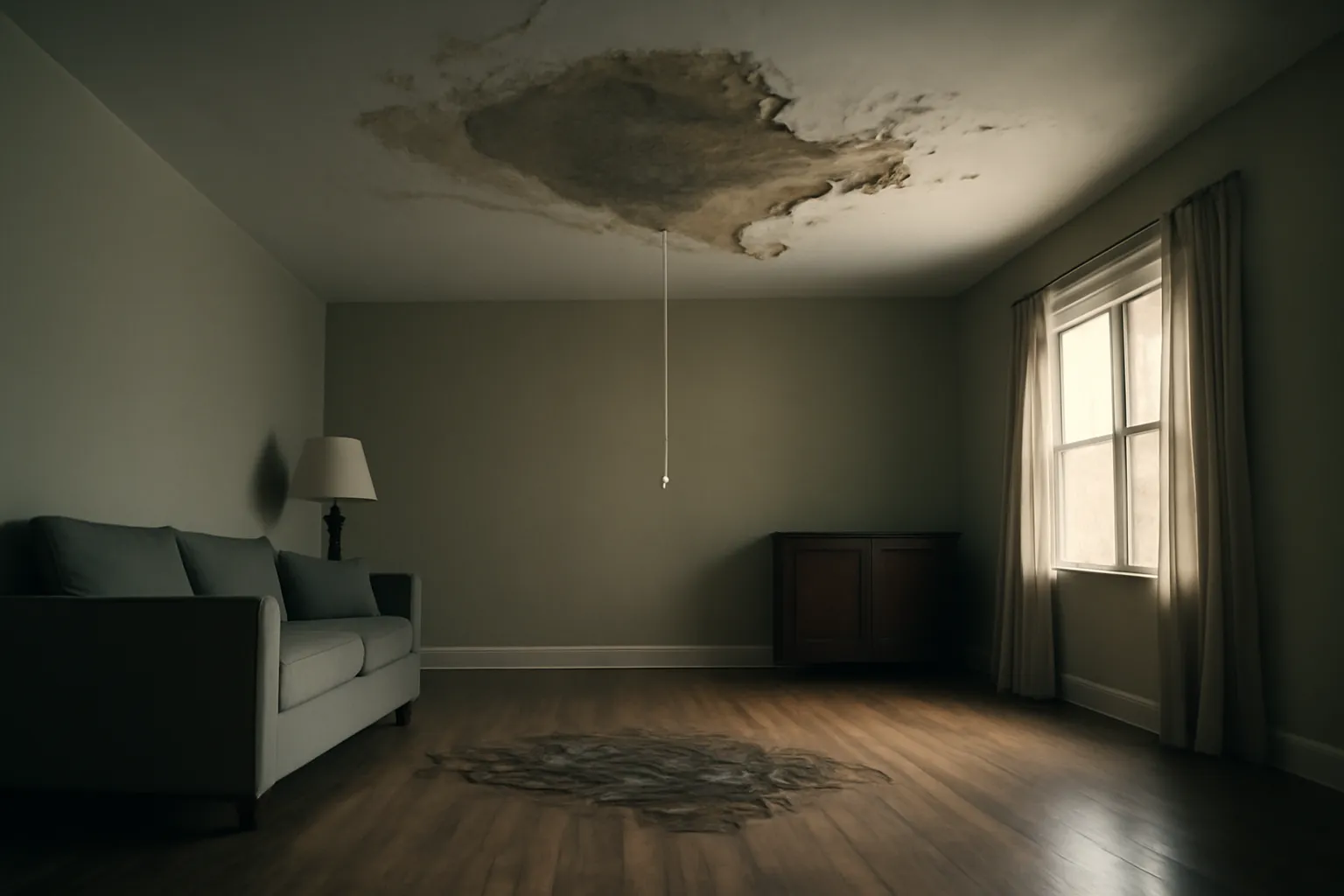
Water damage is one of the most common home insurance claims in the UK, and it is also one of the most stressful to deal with — especially when you are still mopping up. This guide walks you through the full process so you know exactly what to do, in the right order, to give your claim the best possible chance of success.
Step 1: Stop the Water First
Before anything else, limit the damage. If water is actively coming through a ceiling, flooding a room, or escaping from a burst pipe, call a plumber immediately. Turn off your stopcock (usually under the kitchen sink or where the supply enters the property) to cut the flow.
Call us on 07360 268948 — we are available 24 hours a day, seven days a week across the TW postcode area.
Stopping the leak promptly also matters for your claim. Insurers expect you to take reasonable steps to prevent further damage. Delay can give them grounds to reduce a payout.
Step 2: Document Everything Before You Touch It
Once it is safe to do so, photograph and video the damage thoroughly — before you move furniture, pull up carpets, or start drying out. Capture:
- The source of the leak (pipe, appliance, the ceiling above)
- Every affected room and surface
- Damaged belongings, flooring, and fixtures
- Any visible mould or structural damage
Back these up to cloud storage immediately so they cannot be lost or accidentally deleted.
Step 3: Make a Written Record
Write down:
- The date and time you first noticed the water
- What you believe caused it
- Every action you took and when
- The names of anyone you spoke to, including tradespeople
This timeline becomes important evidence if your insurer queries when the damage started or whether it was sudden or gradual. Most policies cover sudden escape of water but exclude slow, undetected leaks — so an accurate account of events protects you.
Step 4: Notify Your Insurer Promptly
Contact your home insurer as soon as the immediate emergency is under control. Most policies require you to report a claim within a reasonable time. Have your policy number to hand and ask your insurer:
- Whether you need a loss assessor or if they will send one
- Whether they have a preferred contractor list (you are not always obliged to use it)
- What documentation they require
- Whether you are entitled to emergency accommodation if the property is uninhabitable
Keep a note of every call: date, time, the name of the person you spoke to, and what was agreed.
Step 5: Get a Plumber’s Report
Your insurer will want evidence of the cause of the leak, not just the resulting damage. A written report from a qualified plumber — stating what failed, why, and when — is often the single most useful document in an escape of water claim.
When we attend a call-out in the TW area, we give you a written account of what we found and what we repaired. It is your record, to use however you choose. We are plumbers, so we stop at the repair and the paperwork for it. We do not contact insurers or handle claims.
Step 6: List Every Item of Damage or Loss
Go through each room and list every item that has been damaged or destroyed. For each one, note:
- A description of the item
- Its approximate age and original cost
- Whether you have a receipt, bank statement, or photograph as proof
For structural damage — ceilings, floors, plasterwork, electrics — get written quotes from contractors. Your insurer may send their own assessor, but having independent quotes gives you a basis for negotiation if their offer seems low.
Step 7: Understand Your Policy Terms
Before accepting any settlement, check:
- Excess — the amount you must pay yourself before the insurer contributes
- New for old vs indemnity — whether you receive the replacement cost or a depreciated value
- Trace and access cover — this pays for finding and exposing the source of a leak, which can involve cutting into walls or floors
- Alternative accommodation — the limit and how to claim it
If the settlement offered does not seem fair, you can challenge it. The Financial Ombudsman Service handles disputes between policyholders and insurers free of charge.
Step 8: Dry Out Properly Before Reinstating
Do not rush to redecorate. Plaster and timber need to dry fully — often for several weeks — before any finishing work begins. Reinstating too soon can trap moisture, leading to mould and further damage that may not be covered by your policy.
We Can Help With the Evidence
Dealing with an insurer while managing a wet and damaged home is genuinely difficult. We are here to make the plumbing side as straightforward as possible. We will stop the leak, assess the cause, and provide written documentation of our findings — the kind of clear, factual report that helps insurers process claims without unnecessary delay.
If you have water coming through a ceiling or flooding from a burst pipe right now, do not wait.
Call Emergency Plumbers TW on 07360 268948. We cover Twickenham, Richmond, Teddington, Hounslow, Isleworth, Feltham, Staines and the surrounding TW postcode area, any time of day or night.