Insurance
How Long Does a Water Damage Insurance Claim Take?
Realistic timelines for water damage insurance claims in the UK, and how fast documentation and a plumber's report can speed up your payout.
Published 30 June 2026
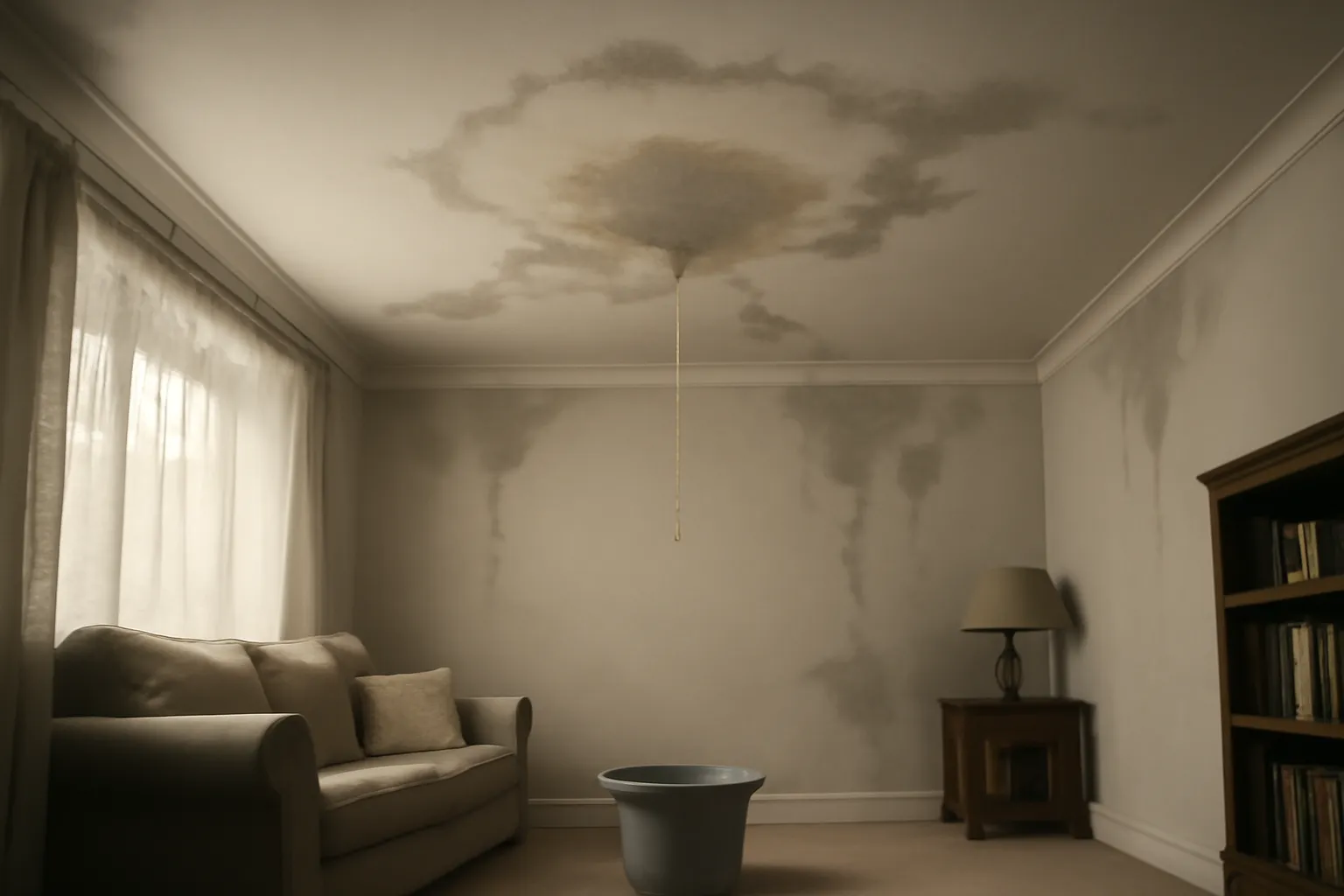
Water coming through a ceiling or soaking through a wall is stressful enough on its own. Having to wait weeks — or months — for an insurance payout on top of that makes everything worse. This guide gives you a realistic picture of the timeline, and explains what you can do (including getting a plumber’s report quickly) to keep things moving.
The Honest Answer: It Varies Widely
Most straightforward water damage claims in the UK are settled within two to eight weeks from the date you notify your insurer. More complicated cases — disputed liability, large structural damage, or a slow-moving loss adjuster — can stretch to three to six months.
The single biggest factor that drags a claim out is incomplete or delayed documentation. Insurers cannot authorise payment until they have evidence of the cause, the extent of damage, and the repair costs. Every day that evidence is missing is a day your claim sits in a queue.
A Typical Claim Timeline
Week 1 — Notification and first response
- You report the claim by phone or online.
- The insurer registers it and assigns a claims handler.
- For significant damage they may appoint a loss adjuster to visit and assess.
Weeks 2–4 — Investigation and evidence gathering
- The loss adjuster (if appointed) visits, often within 5–10 working days.
- They want to know the cause of the leak, not just the damage. A written report from a qualified plumber is usually required at this stage.
- Quotes for repairs and drying are gathered.
Weeks 4–8 — Decision and settlement offer
- Once the insurer has everything they need, they issue a settlement offer or authorise repairs directly through an approved contractor.
- You have the right to negotiate or query the offer before accepting.
Beyond 8 weeks
- If you have not received a final response within eight weeks, you are entitled to refer the complaint to the Financial Ombudsman Service free of charge. Knowing this often encourages insurers to resolve things more promptly.
What Slows a Claim Down
- No clear cause identified. If nobody has confirmed where the water came from, the insurer cannot apportion liability or rule out wear-and-tear exclusions.
- Missing photos. Adjusters need to see the damage as it was, not after it has been cleared up.
- Delayed repair quotes. Insurers need at least one — often two — written estimates.
- Disputed liability between neighbours. If the water came from a flat above, establishing who is responsible adds time.
- Incomplete policy details. Make sure you have your policy number, excess amount, and any relevant endorsements to hand from the start.
What Speeds a Claim Up
1. Document everything immediately
Take dated photographs and short videos of all visible damage before you move or dry anything. Note the time and date the leak was discovered.
2. Get a plumber’s report as soon as possible
This is the step most people overlook. A written report from a qualified plumber confirming the source, cause, and nature of the leak carries real weight with loss adjusters. It removes ambiguity, satisfies the insurer’s requirement for evidence of cause, and can shorten the investigation phase from weeks to days.
At Emergency Plumbers TW we attend at any hour, identify the source of the leak, carry out urgent repairs to prevent further damage, and give you a written record of what we found and did. Call us on 07360 268948.
3. Notify your insurer the same day
Most policies require you to report damage “as soon as reasonably practicable.” Delay can give an insurer grounds to query the claim.
4. Keep all receipts
Any emergency spend — hotel stays if the property is uninhabitable, temporary repairs, drying equipment — should be receipted and submitted as part of the claim.
5. Follow up in writing
After every phone call, send a brief email summarising what was agreed. This creates a paper trail and tends to keep claims moving.
A Note on Emergency Repairs
Carrying out emergency repairs to prevent further damage is not just allowed — most policies require it. You will not invalidate your claim by stopping an active leak or having a plumber make the area safe. What you should avoid is undertaking full reinstatement work before the loss adjuster has had a chance to assess.
When to Involve the Financial Ombudsman
If your insurer is unresponsive, has rejected a claim you believe is valid, or has taken more than eight weeks without a final decision, contact the Financial Ombudsman Service (financial-ombudsman.org.uk). It is free to use and the insurer is bound by its decisions.
Still Dealing with an Active Leak?
Documentation and claims can wait a few minutes — an active leak cannot. If water is still coming in, turn off your stopcock, move valuables out of the way, and call us straight away on 07360 268948. We cover the TW postcode area around the clock, and we can provide the written report your insurer will need once the immediate emergency is under control.