Emergencies
Underground & Underfloor Leaks: How They're Found
Discover how plumbers trace underground and underfloor leaks without ripping up floors — non-destructive detection methods explained.
Published 29 June 2026
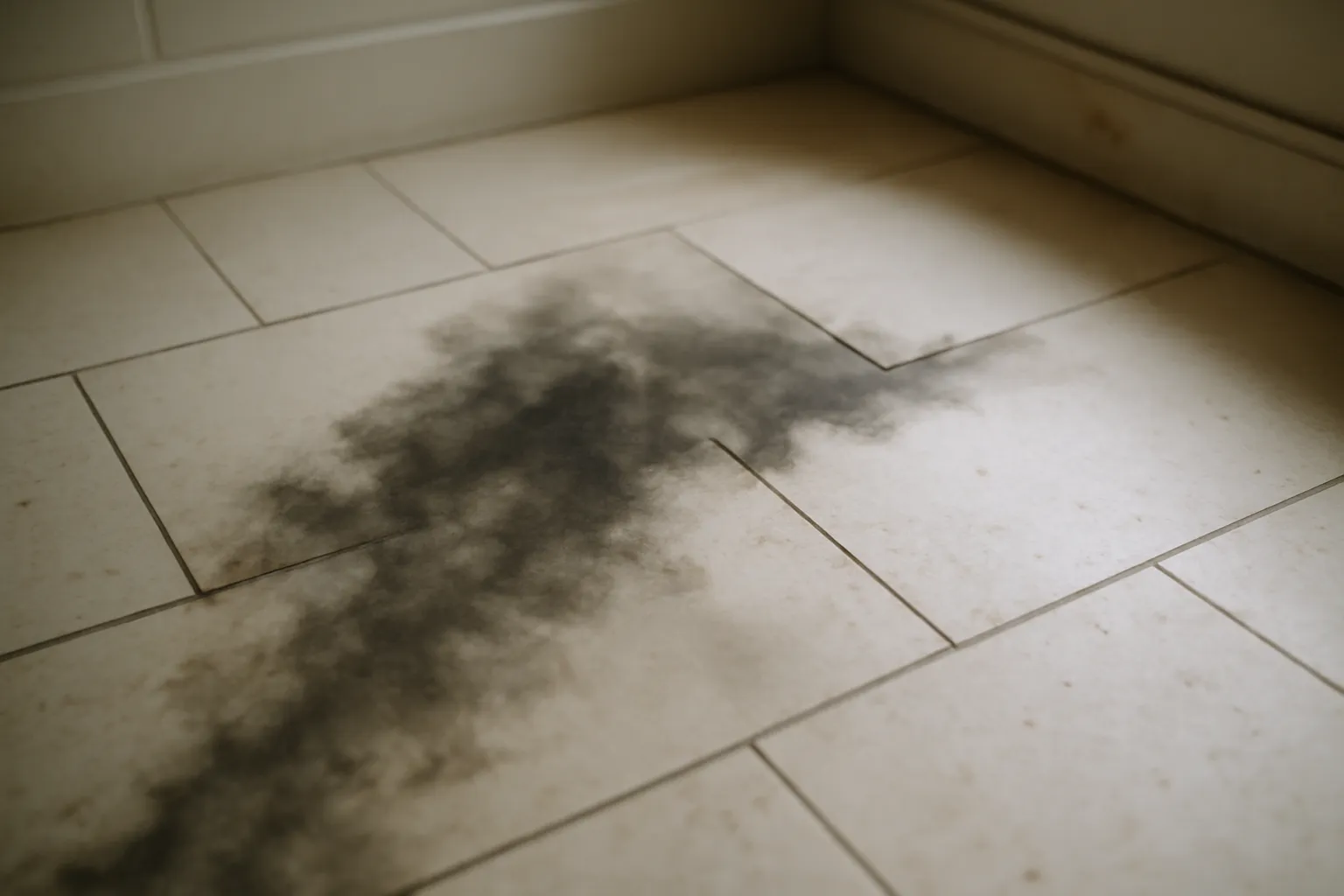
A dripping tap is obvious. An underground or underfloor leak is anything but. The water escapes slowly, silently, and often travels a good distance before it shows itself — if it ever does. By the time you notice a damp patch, a warm spot on a tiled floor, or an unexplained spike in your water bill, the leak may have been running for weeks.
The good news is that modern leak detection equipment means a skilled plumber can usually pinpoint the source without touching a single floor tile.
Why Underground and Underfloor Leaks Are So Difficult
Pipes buried beneath concrete, screed, or soil have no obvious visual clues. Water follows the path of least resistance, which means the wet patch you can see may be several metres away from the actual fault. Common reasons these leaks go unnoticed include:
- Gradual onset — a small pinhole in a copper pipe loses water slowly, so the bill creeps up rather than surging overnight.
- Concealed pipework — underfloor heating circuits, mains supply pipes, and drainage runs are all routinely buried beneath floors or foundations.
- Misread symptoms — condensation, rising damp, or a faulty radiator can all mimic the signs of a buried leak.
Warning Signs to Look Out For
Before a plumber arrives, these are the clues worth noting:
- A water meter that keeps turning even when every tap and appliance is off
- Warm or cold patches on a tiled or solid floor
- Unexplained soft or springy areas in timber floors
- Persistent damp smell or mould growth at low level
- Reduced water pressure at taps and showers
- A water bill noticeably higher than usual
If you can, take a photo of your water meter reading, then turn off all appliances and check it again after 30 minutes. If the dial has moved, water is escaping somewhere.
How Plumbers Trace Hidden Leaks
Acoustic Leak Detection
This is the most widely used non-destructive technique. A sensitive listening device — sometimes called a correlator or acoustic logger — is placed against the floor surface, pipe fittings, or stop tap. Sound waves travel through the pipe and the ground; a trained operative can hear the distinct frequency signature of escaping water and, by comparing readings at multiple points, narrow the fault down to within a few centimetres.
Thermal Imaging
An infrared camera detects temperature differences in floors and walls. A pressurised hot water pipe leaking beneath screed will create a warm anomaly; a cold mains pipe will show the opposite. Thermal imaging is quick and entirely non-invasive — the camera simply scans the surface.
Tracer Gas
Hydrogen or nitrogen gas is introduced into the pipe under low pressure. The gas is lighter than air and rises through the floor material to the surface. A detector wand passed over the floor will react when it finds the escaping gas, pinpointing the leak to a very small area. This method works well even through thick concrete.
Pipe Inspection Cameras
Where a drain or larger pipe is involved, a CCTV drain camera can be fed along the run to identify cracks, root ingress, or joint failures from the inside. It is particularly useful for underground drainage rather than pressurised supply pipes.
Avoiding Unnecessary Excavation
The whole point of these techniques is to avoid opening up a floor speculatively. A good leak detection process means:
- Confirming a leak exists and isolating it to a specific pipe circuit
- Using two or more detection methods to cross-reference the location
- Marking the floor at the identified point before any cutting begins
- Making a single, targeted opening rather than a trench across the room
This approach protects your flooring, reduces reinstatement costs, and gets the repair done in far less time. Many insurers now expect a trace-and-access report before they will authorise a claim, so a proper documented survey has practical financial value too.
What Happens After the Leak Is Found
Once the fault is confirmed, the repair itself is usually straightforward — a section of pipe is replaced or re-jointed, the floor is reinstated, and the system is pressure-tested before sign-off. The detection stage is the skilled part; the physical repair is often completed the same day.
Still Not Sure What You’re Dealing With?
If your meter is moving, your floors feel unusual, or your bills have crept up without explanation, it is worth acting sooner rather than later. Underground leaks do not fix themselves, and prolonged water ingress can undermine foundations, damage floor finishes, and encourage mould.
If you are in the TW postcode area and suspect a hidden leak, call Emergency Plumbers TW any time on 07360 268948. We will talk through your symptoms, advise on next steps, and get someone to you quickly if the situation calls for it.