Emergencies
Pinhole Leaks in Copper Pipes: Causes and What to Do
Pinhole leaks in copper pipes can cause serious damage if ignored. Learn why they happen, how to spot them early, and when to repair or repipe.
Published 1 July 2026
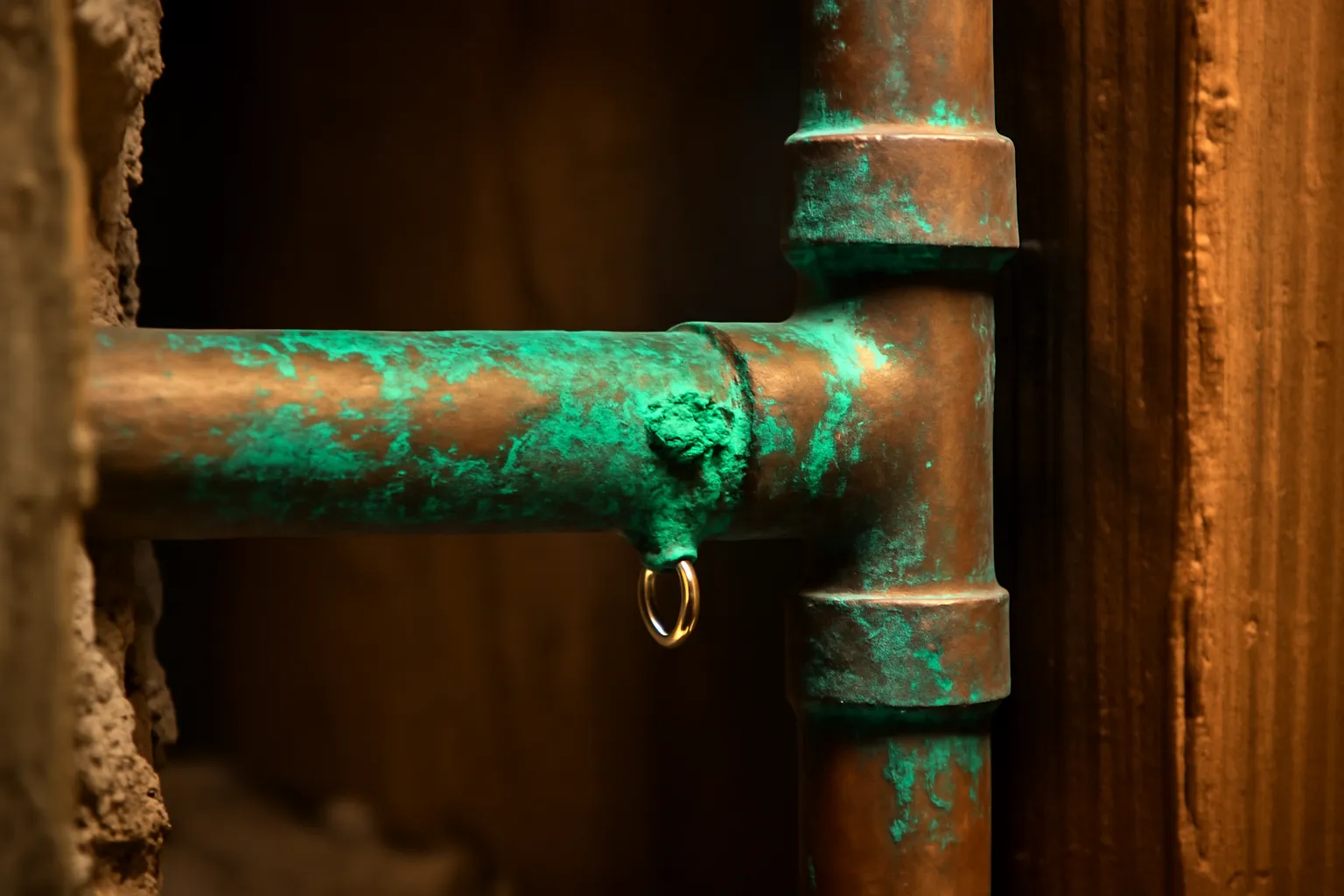
Copper pipework has been the standard in British homes for decades, and for good reason — it is durable, reliable, and long-lasting. But even copper is not immune to failure. Pinhole leaks are one of the most common — and most underestimated — plumbing problems homeowners face. Left unattended, a hole no bigger than a pin can cause significant water damage, promote mould growth, and quietly rot the structure of your home.
Here is what you need to know.
Why Do Copper Pipes Develop Pinhole Leaks?
Pinhole leaks are almost always caused by corrosion eating through the pipe wall from the inside out. Several factors accelerate this process:
- Aggressive water chemistry — Water with a low pH (acidic water) is particularly corrosive to copper. Parts of the TW area can experience water conditions that gradually attack pipe interiors.
- High chlorine levels — Chlorinated mains water, while safe to drink, can corrode copper over time.
- Flux residue — If a plumber used too much soldering flux during installation and it was not fully cleaned away, it can corrode the pipe from within. This is sometimes called “Type 1 pitting corrosion.”
- High water velocity — Water flowing too fast through undersized pipes causes turbulence that erodes the inner surface, a process known as erosion corrosion.
- Age — Copper pipework installed before the 1980s is simply more likely to have reached the end of its service life.
- Electrolytic action — Where copper pipes are in contact with dissimilar metals without proper insulation, a small electrical current can accelerate corrosion.
How to Spot a Pinhole Leak Early
The tricky thing about pinhole leaks is that they are often hidden inside walls, under floors, or in the loft. By the time you notice obvious water damage, the leak may have been running for weeks. Watch out for:
Visible signs
- Small greenish or white mineral deposits on a pipe (a tell-tale sign of slow corrosion)
- Damp patches on walls, ceilings, or floors that have no obvious explanation
- Bubbling or staining on paintwork or wallpaper
- A musty smell in a room, particularly near an exterior wall or under a sink
On your water meter
Turn off every tap and appliance in the house, then check your water meter. If the dial is still moving, water is escaping somewhere — possibly through a pinhole.
On your bills
An unexplained rise in your water bill is worth investigating, especially if your usage habits have not changed.
Immediate Steps If You Find a Leak
- Turn off the water supply at the stopcock (usually under the kitchen sink or where the mains enters the property).
- Open the cold taps to drain down the system and reduce pressure on the leak.
- Catch any dripping water with towels or a bucket to limit damage while you wait for a plumber.
- Do not attempt to solder the pipe yourself while it still contains water — it will not work and creates a burn risk.
A temporary repair clamp from a DIY shop can slow a pinhole leak in an emergency, but it is not a permanent fix and should not be left in place for long.
Repair vs Repipe: Which Do You Need?
Single or isolated leak
If your pipework is otherwise in good condition and the leak is clearly isolated, a local repair — cutting out the affected section and replacing it — is usually the right approach. It is quicker and more cost-effective.
Multiple leaks or widespread corrosion
If you have had more than one pinhole leak in the same property, or if a plumber finds widespread pitting during an inspection, a full or partial repipe is worth serious consideration. Patching a corroded system is a bit like putting a plaster over rust — another leak is likely to appear nearby before long.
Signs that point towards repiping
- Pipes that are 40 or more years old
- Consistently discoloured water (brown or greenish tinge)
- Repeated leaks in different locations
- Low water pressure throughout the property
Modern alternatives to copper — including cross-linked polyethylene (PEX) and chlorinated polyvinyl chloride (CPVC) — are increasingly used for replumbing work and are resistant to the corrosion issues that affect copper.
Do Not Wait on a Leak
Water damage compounds quickly. A slow pinhole dripping inside a wall can saturate timber, encourage dry rot, and create the conditions for black mould within days. The sooner a leak is properly repaired, the lower the overall cost.
If you have found a pinhole leak, or you suspect one, call Emergency Plumbers TW on 07360 268948. We are available 24 hours a day, seven days a week, across the TW postcode area — including Twickenham, Richmond, Teddington, Hounslow, Isleworth, Feltham, and Staines. We will assess whether a targeted repair or a longer-term solution is the right call for your home.