Emergencies
New-Build vs Victorian: Plumbing Quirks Across Hounslow & Feltham
Hounslow and Feltham's mixed housing stock brings very different plumbing challenges. Learn what to watch for in your home and when to call for help.
Published 10 July 2026
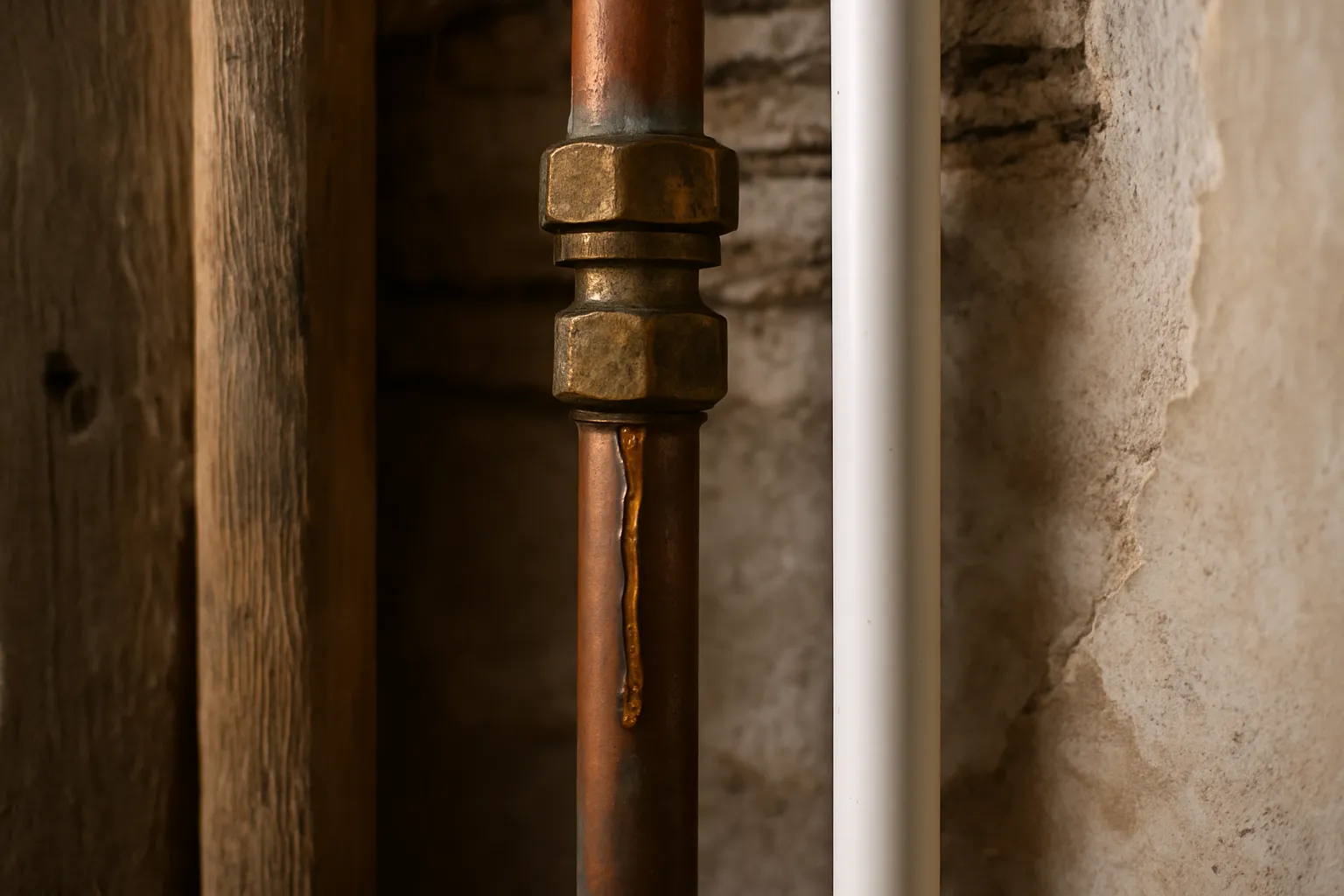
Drive through Hounslow or Feltham and you will see the contrast clearly: a row of Edwardian terraces sitting directly opposite a 2010s apartment block, or a converted Victorian school beside a new-build estate. That variety is part of what makes the area interesting — but it also means the plumbing under your floors and behind your walls can be very different from your neighbour’s, even on the same street.
Understanding which type of property you live in helps you spot problems earlier and explain them more clearly to a plumber when something goes wrong.
Victorian and Edwardian Properties
Much of central Hounslow, Isleworth and the older parts of Feltham were built between the 1880s and 1930s. These homes have real character, but their original plumbing was designed for a very different era.
What you are likely to find
- Lead or early copper pipework. Many Victorian homes had lead supply pipes, and while most have been partially updated, sections can remain — particularly the supply pipe running from the street boundary into the house.
- Galvanised steel pipes. Common in mid-century updates, these corrode from the inside over decades, reducing flow and eventually failing.
- Gravity-fed heating systems. Older properties often have a cold water tank in the loft and a hot water cylinder in an airing cupboard. These systems have more components that can fail — and a tank overflow running outside the house is an early warning sign worth taking seriously.
- Cast iron or clay drainage. Below ground, older drainage can crack, root-intrude or simply collapse with age.
Common problems to watch for
- Slow or discoloured hot water (sign of a corroding cylinder or pipework)
- Damp patches on ceilings or chimney breasts — often caused by old pipe joints weeping behind plaster
- Low water pressure throughout the house
- Radiators that are cold at the bottom but warm at the top (sludge build-up in an ageing system)
New-Build Properties
Hounslow and Feltham have seen significant new development, particularly around the town centres and along the A30 corridor. Estates built from the 1990s onwards, and especially from 2005 onwards, have modern pipework — but that does not mean they are problem-free.
What you are likely to find
- Plastic (PEX or plastic push-fit) pipework. Lightweight and easy to install, but fittings can work loose over time, especially where pipes pass through floor joists or behind stud walls.
- Combi boilers. Most new builds have a combination boiler with no tank or cylinder. Pressure loss is the most common call-out — the system needs to be re-pressurised when it drops below 1 bar.
- Underfloor heating. Some newer Feltham and Hounslow developments include underfloor heating circuits. A leak here is harder to detect and can cause significant damage to screed or floor finishes before it becomes obvious.
- Shared drainage stacks. Flats and terraces in modern developments share internal soil stacks. A blockage affects multiple properties at once.
Common problems to watch for
- Boiler pressure dropping repeatedly (could indicate a leak on the sealed system)
- Gurgling or slow-draining sinks across multiple units in a block
- Damp patches on ground-floor slabs (possible underfloor leak)
- Push-fit joints that have been disturbed during renovation work
The Leak Detection Challenge
Regardless of the era your home was built in, hidden leaks are the issue that causes the most damage — and Hounslow and Feltham’s clay-heavy soil means ground movement can stress buried pipes in both old and new properties alike.
Signs that you may have a hidden leak include:
- A water meter that moves when all taps are off
- Unexplained damp or mould appearing on internal walls
- A sudden increase in your water bill
- The sound of running water when nothing is turned on
In Victorian properties, leaks are most often found at old compression joints or where pipes pass through original floor timbers. In new builds, push-fit fittings behind dry-lining or under screed are the more common culprits.
Heating System Differences
If you have a gravity-fed system (common in older Hounslow terraces), annual maintenance matters more — the system has more parts, and inhibitor levels in the feed-and-expansion tank should be checked regularly to prevent internal corrosion.
Combi boiler systems in new builds are largely sealed and need less routine attention, but they are more sensitive to pressure changes and require a qualified engineer for any work on the boiler itself.
A Practical Note for Feltham and Hounslow Residents
If you are unsure what type of system you have, start by looking for a loft tank and an airing cupboard cylinder. If you have both, you are on a gravity-fed system. If your boiler has a pressure gauge on the front and there is no tank in the loft, you almost certainly have a sealed combi system.
Knowing this one thing will help any plumber you call to diagnose your problem faster and arrive better prepared.
Whatever type of home you are in, if you have a leak, a loss of pressure, or any sign of water where it should not be, do not wait to see if it resolves itself — water damage escalates quickly.
Call Emergency Plumbers TW any time on 07360 268948. We cover Hounslow, Feltham and the wider TW postcode area, 24 hours a day, seven days a week.