Emergencies
Living by the Thames: Flood Risk & Plumbing in Staines and Richmond
Riverside homes in Staines and Richmond face real flood risk. Learn about backflow, sump pumps and drainage steps every TW homeowner should know.
Published 10 July 2026
Living by the Thames: What Riverside Homeowners in Staines and Richmond Need to Know
The Thames is one of the great things about living in the TW postcode area. It is also, when the rain does not let up, one of the more pressing concerns. Homes in Staines-upon-Thames, Laleham, Shepperton, Richmond, Twickenham and along the Crane and Colne tributaries can be affected by river levels rising faster than most people expect. Plumbing plays a direct role in how well your home copes — and in how quickly the damage spreads if things go wrong.
This guide is written for homeowners who want to understand the risks before a problem arrives, not after.
Why River Levels Affect Your Drains
When the Thames is running high, the water table beneath riverside streets rises with it. That has a direct knock-on effect on your drainage system.
- Surface drains and gullies can back up because the sewer network has less capacity to accept flow.
- Soil pipes and inspection chambers in low-lying gardens can become submerged, allowing groundwater to enter.
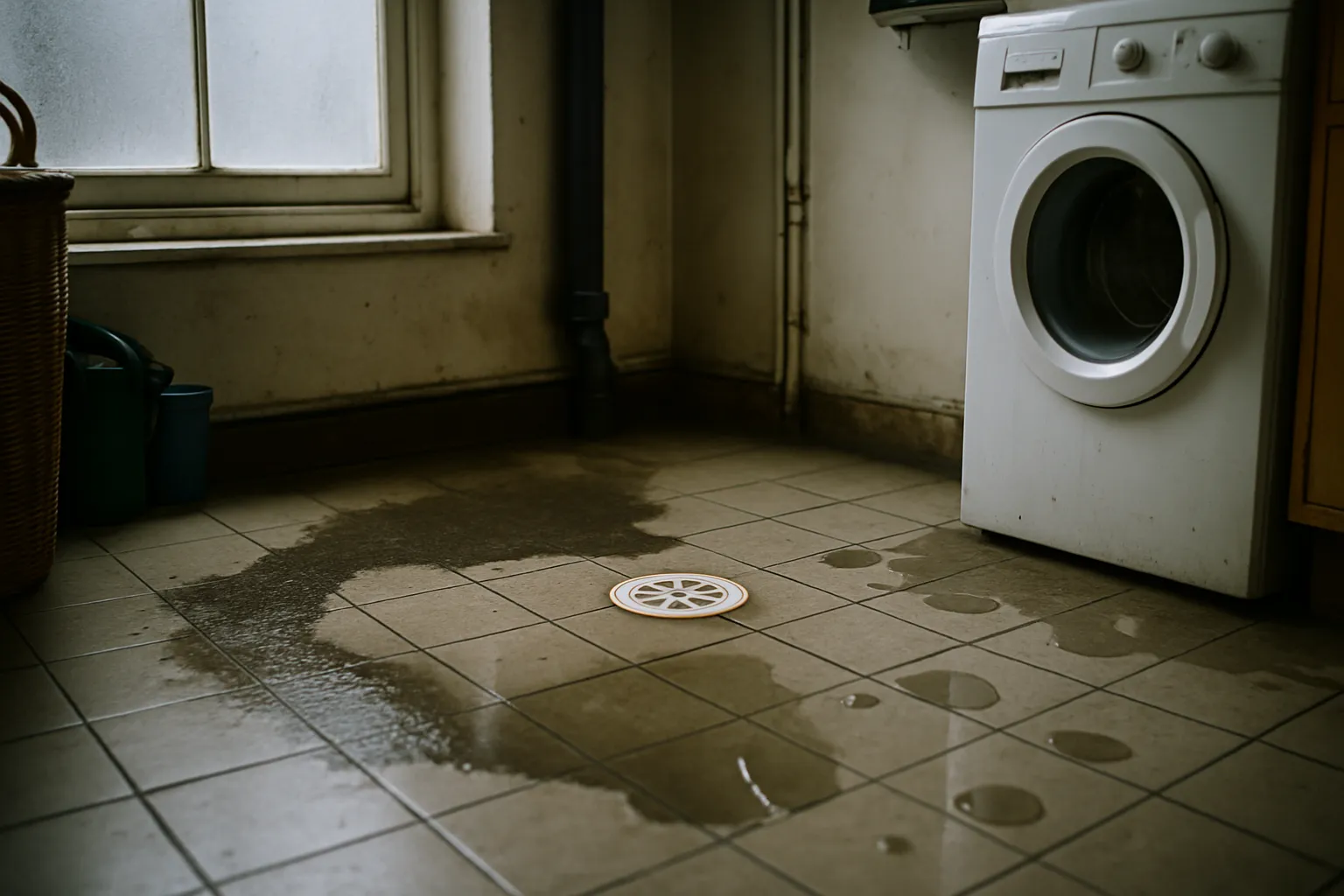
- Basement and ground-floor toilets and floor drains are particularly vulnerable: when the sewer is under pressure, wastewater can reverse direction and come back up through the lowest point in your system.
This is not a theoretical risk. The Environment Agency flood maps show large stretches of Staines, Laleham Road, the Richmond riverside and parts of Twickenham as being in Flood Zone 2 or 3. If you are not sure which zone your property sits in, the Environment Agency’s online flood map is a sensible starting point.
Backflow: The Risk You May Not Have Considered
Backflow happens when sewage or surface water reverses through your pipework and emerges inside your home. It most commonly affects:
- Ground-floor WCs
- Utility room floor drains
- Basement shower trays or sinks
- Inspection chambers in low-lying gardens
What You Can Do
Non-return valves (also called check valves or backflow prevention valves) can be fitted to soil pipes and drain connections. They allow water to flow out normally but close automatically if flow reverses. For riverside properties, having these fitted to ground-floor waste connections is a worthwhile precaution — not just for flooding events but for any period of sustained heavy rain.
A plumber can survey your drainage layout and advise on where valves would be most effective. It is a relatively straightforward job when conditions are dry; it becomes much harder to arrange in the middle of a flood event.
Sump Pumps for Below-Ground Spaces
If your property has a basement, a lower-ground floor, or even just a deep inspection chamber that regularly fills with groundwater, a sump pump is worth considering.
A sump pump sits in a pit at the lowest point of the space. When water reaches a set level, a float switch activates the pump and it discharges the water away from the property. Key points for riverside homes:
- Discharge point matters. The pump needs to send water somewhere that is not itself backing up — a soakaway will not help during a flood event. A plumber can advise on the correct discharge route.
- Power supply. Mains-powered pumps stop working in a power cut, which is exactly when you need them most. A battery backup or a secondary pump on a separate circuit is sensible in higher-risk areas.
- Maintenance. Test the float switch a couple of times a year. A pump that has sat idle for twelve months may not respond when you need it.
Drainage Maintenance That Matters More Near the River
Blocked drains are a year-round problem, but near the Thames they carry extra risk. A drain that is slow in summer can become completely overwhelmed when river levels are high and the network is already under strain.
Practical Steps
- Clear gutters and downpipes before autumn. Leaf build-up from riverside trees is significant in areas like Richmond, Twickenham and Staines.
- Check external gullies around the base of the house. Silt and debris accumulate quickly in low-lying gardens.
- Know where your stopcock is. If water enters the property, being able to isolate the supply immediately limits secondary damage.
- Keep an eye on your inspection chamber. If it is consistently fuller than usual or has an odour, that is an early sign the sewer network in your area is under pressure.
What to Do If Water Is Already Coming In
If you have water entering through a drain, toilet or floor, act quickly:
- Do not use any sanitary fittings on that floor — flushing a toilet can make backflow significantly worse.
- Isolate the water supply at the stopcock to prevent additional flow from burst or pressurised pipes.
- Move valuables, documents and electrical items away from the affected area.
- Call a plumber who can assess whether the issue is a blocked drain, backflow, or a pipe failure — the right fix depends on the cause.
We Cover Staines, Richmond and the Surrounding TW Area
If you have water coming back through your drains, a blocked inspection chamber, or you want advice on backflow protection before the next wet spell, we are available around the clock. Staines sits in a flood zone where surface water and foul drainage interact, and our sister firm covers blocked drains in Staines specifically.
Call our drainage line on 07700 137648 — we cover Staines, Richmond, Twickenham, Shepperton, Laleham and the wider TW postcode area, 24 hours a day, seven days a week. If it is an emergency, do not wait.