How-to
Landlord Plumbing Responsibilities in a Rented TW Home
What landlords in the TW postcode area must maintain by law: plumbing, heating, gas safety and emergency response times explained.
Published 14 July 2026
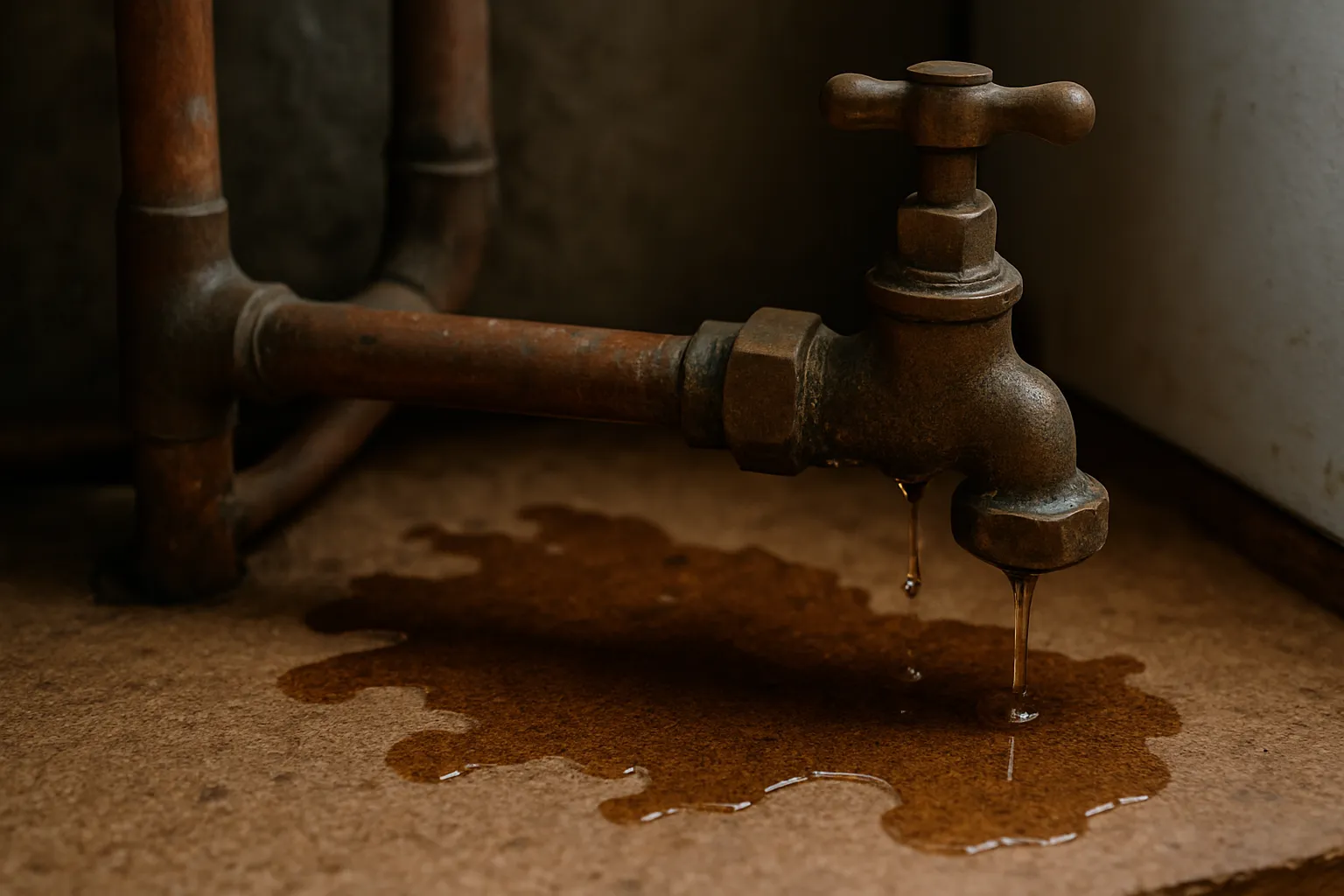
The TW postcode area — covering Richmond, Twickenham, Teddington, Hounslow, Feltham, Staines and surrounding towns — has a large and active private rental market. Whether you own a single buy-to-let flat in Twickenham or a multi-room HMO in Hounslow, the law places clear duties on you as a landlord to keep the plumbing and heating in working order. Getting this wrong can mean enforcement action from the local authority, civil liability, or — in the case of gas — criminal prosecution.
This guide sets out what you must maintain, what tenants are responsible for, how quickly you must respond to emergencies, and what extra rules apply to HMOs.
What the Law Requires
The primary legislation is the Landlord and Tenant Act 1985 (section 11), which applies to most residential tenancies in England. It requires landlords to keep in repair and proper working order:
- The structure and exterior of the property (including pipes embedded in walls or beneath floors)
- Installations for the supply of water, gas and electricity
- Installations for space heating and heating water
The Homes (Fitness for Human Habitation) Act 2018 extended this further, requiring that a property is fit to live in throughout the tenancy. A broken boiler in January, or a burst pipe that is left unrepaired, can give a tenant grounds to take you to court — as well as withhold rent via a rent repayment order in some circumstances.
Annual Gas Safety: The CP12 Duty
This is one of the most important legal obligations a landlord carries. Under the Gas Safety (Installation and Use) Regulations 1998, you must:
- Arrange an annual gas safety check by a Gas Safe registered engineer for every gas appliance and flue in the property.
- Obtain a Gas Safety Record (commonly called a CP12) within 28 days of the check and keep a copy for at least two years.
- Provide a copy to existing tenants within 28 days of the check, and to new tenants before they move in.
Failure to comply is a criminal offence. There are no exceptions and no grace periods. If you manage multiple TW properties, keeping track of renewal dates across your portfolio is essential — a missed check on even one property puts you in breach.
Response Times for Heating and Hot Water Failures
There is no single statutory response time written into legislation, but the standard applied by courts and local authorities is that a landlord must act within a reasonable time — and what is reasonable depends on the severity of the problem.
As a practical guide:
| Problem | Expected response |
|---|---|
| No heating or hot water in winter | Same day or next day |
| No hot water in summer | Within 24–48 hours |
| Burst pipe or active leak | Immediate — stop the water, arrange repair urgently |
| Dripping tap or slow drain | Within a few days to a week |
If you cannot attend yourself, you need a reliable contractor who can respond quickly. Leaving a tenant without heat or hot water for several days, particularly in cold weather or where there are vulnerable occupants, risks a formal complaint to Richmond Council, Hounslow Council or the relevant local authority — and potential civil action.
Tenant vs Landlord: Who Pays?
A common source of dispute. The general rule is straightforward:
Landlord’s responsibility:
- Boiler breakdowns and servicing
- Leaking or burst pipes within the structure
- Faulty radiators or heating controls
- Hot water cylinder or immersion heater failure
- Blocked drains caused by structural defect or root ingress
Tenant’s responsibility:
- Blockages caused by the tenant (e.g. flushing wipes, pouring fat down the drain)
- Damage caused by the tenant’s misuse or negligence
- Replacing items such as showerheads or tap washers that they have damaged
- Reporting problems promptly — a tenant who fails to report a slow leak and allows it to cause wider damage may share liability for the additional cost
When responsibility is genuinely unclear, getting a written assessment from a qualified plumber — noting the cause of the fault — is the most straightforward way to resolve the dispute.
Additional Rules for HMOs
If your TW property is a House in Multiple Occupation (HMO) — broadly, three or more tenants from more than one household sharing facilities — additional rules apply under the Management of Houses in Multiple Occupation (England) Regulations 2006:
- Water supply and drainage must be maintained in good working order at all times.
- Hot water must be available at all times to bathrooms, showers, toilets and kitchen sinks.
- You must respond to disrepair quickly; the threshold for what counts as a hazard is assessed under the Housing Health and Safety Rating System (HHSRS).
Larger HMOs (five or more tenants, three or more storeys) require a mandatory licence from the local authority. Richmond and Hounslow both operate additional licensing schemes — check with the relevant council if you are unsure whether your property needs a licence.
Keeping a Paper Trail
Whatever work is carried out, keep records: the date, the fault, the contractor, the work done and any parts replaced. A written job report from your plumber — with photographs where relevant — protects you if a dispute arises later and gives you clear evidence that you acted promptly.
Need a Fast Response in the TW Area?
If you have a tenant reporting a burst pipe, a boiler failure or a heating emergency, we cover the full TW postcode area and are available around the clock.
Call 07360 268948 any time — day or night — and we will get an engineer to the property as quickly as possible.