How-to
Airlock in Pipes or Taps: How to Clear It
Spluttering taps or no water flow? Learn how to identify and clear an airlock in your pipes or taps with these practical DIY steps.
Published 6 July 2026
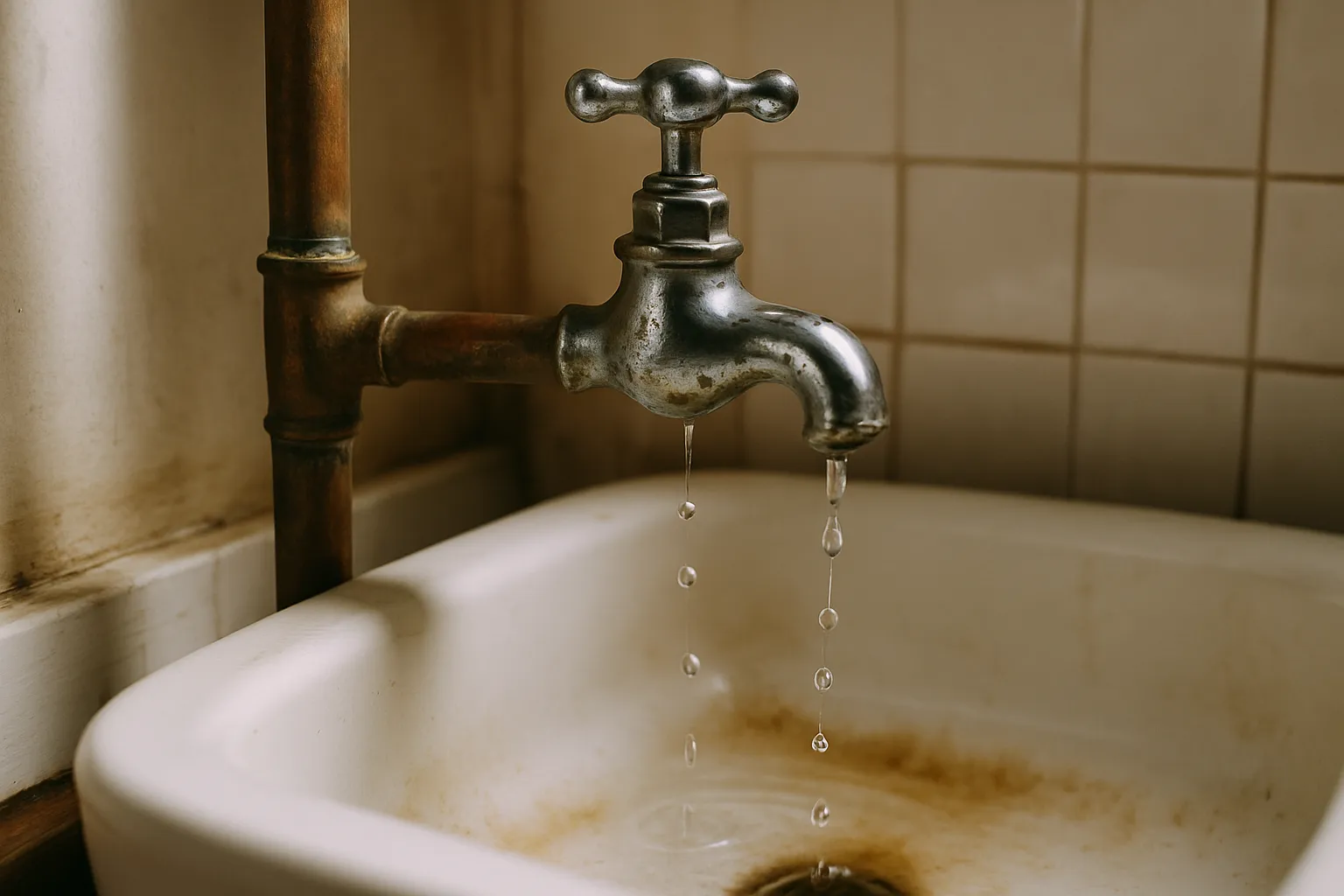
A spluttering tap, a hot tap that runs cold for a moment then stops altogether, or a section of your house with no water flow at all — these are classic signs of an airlock. The good news is that an airlock is not a plumbing disaster. In many cases you can sort it yourself in under ten minutes with no special tools.
What Is an Airlock?
An airlock forms when a pocket of air becomes trapped inside a water pipe. Instead of water flowing freely, the air bubble acts as a blockage, preventing water from moving past it. Airlocks most often appear in:
- Hot water pipes fed from a cylinder or tank in the loft
- Heating system pipes after draining or bleeding radiators
- Cold water pipes after the supply has been turned off and back on
Mains-pressure systems (combi boilers, for example) are far less prone to airlocks because the pressure is usually strong enough to push any trapped air through. Gravity-fed systems — common in older TW-area homes — are more susceptible.
Signs You Have an Airlock
- A tap splutters, spits or produces an uneven flow
- Hot water runs for a few seconds then stops, even though the boiler is working
- One tap or a whole section of the house has no flow, but the mains supply is fine
- Gurgling sounds from pipes when you open a tap
Method 1: Connect the Affected Tap to a Mains-Pressure Tap
This is the most reliable DIY fix and works well for hot-water airlocks.
- Get a short length of hose that will fit tightly over both tap spouts (a washing-machine fill hose works well).
- Connect one end to the cold mains tap (usually the kitchen cold tap) and the other end to the affected tap — for example, a hot tap that has stopped flowing.
- Turn the mains tap on first, then open the affected tap.
- Leave both taps running for 20–30 seconds. The mains pressure forces water back through the pipe, pushing the air bubble out.
- Turn the affected tap off first, then the mains tap. Remove the hose and test the affected tap normally.
Repeat two or three times if the flow does not immediately improve.
Method 2: Bleed the Affected Tap
If you cannot get a hose to reach, try this:
- Turn the affected tap fully on.
- Hold your thumb firmly over the spout for 10–15 seconds, then release. The brief back-pressure can dislodge a small air pocket.
- Repeat several times.
This works best on minor airlocks close to the tap outlet.
Method 3: Drain and Refill the System
For airlocks deeper in the pipework — particularly after you have drained a section for a repair — you may need to drain the relevant part of the system and refill it slowly.
- Locate the relevant stopcock or service valve and close it.
- Open the affected tap to drain any remaining water.
- Close the tap, then slowly reopen the stopcock to let water refill the pipe gradually. Slow refilling gives air less chance to become trapped.
- Once water flows steadily, open the tap fully and check for spluttering.
Method 4: Bleed Your Radiators (Heating Airlocks)
If the airlock is in your central heating rather than your water supply, bleeding the radiators is the correct approach. Use a radiator bleed key on the bleed valve at the top corner of the radiator. Hold a cloth underneath, open the valve slowly, and wait for the hissing to stop and a steady drip of water to appear. Close the valve, then check your boiler pressure and top it up if needed.
When DIY Is Not Enough
If you have tried the methods above and still have no flow, or if:
- Multiple taps or radiators are affected at once
- You suspect the airlock is deep in the pipework behind walls
- The problem keeps coming back after you clear it
- You have no hot water and the boiler appears to be working fine
…then the issue may be something other than a simple airlock — a failed pump, a faulty valve, or a more significant blockage.
Preventing Airlocks
- Always refill pipes slowly after any planned work
- When draining a system, open taps in the correct order (highest point last when draining, highest point first when refilling)
- Have a plumber check your system if airlocks are a recurring problem — it can indicate a design issue with the pipework
Still Stuck? We Can Help
An airlock is usually straightforward, but if you have worked through the steps above and still have no water or no hot water, call us any time of day or night. We cover Twickenham, Richmond, Teddington, Hounslow, Feltham, Staines and the surrounding TW postcode area, and we are available 24 hours a day, seven days a week.
Call Emergency Plumbers TW: 07360 268948