How-to
How to Make a Successful Water Leak Insurance Claim UK
A practical, step-by-step guide to the evidence and paperwork UK insurers typically ask for after a water leak in your home.
Published 31 July 2026
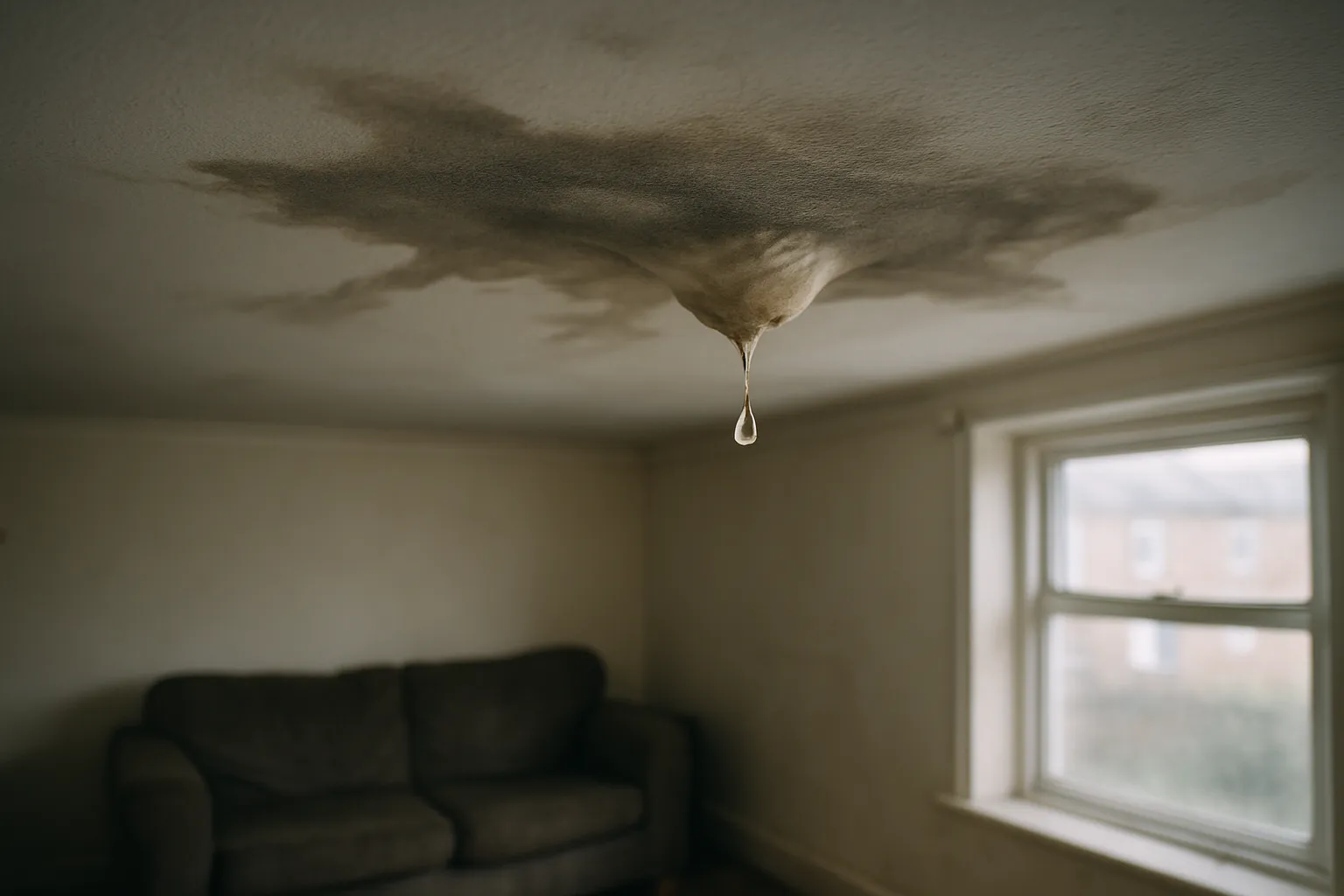
A water leak can cause serious damage in a short space of time. Once the immediate emergency is under control, many homeowners face the daunting task of making an insurance claim. The process is not as complicated as it looks — but it does reward preparation. This guide explains what UK insurers typically ask for and how to give yourself the best chance of a smooth, successful outcome.
Important: Emergency Plumbers TW’s role is to stop the leak, repair the fault, and provide you with a clear written record of what happened and what was done. That record belongs to you, and you use it to run your own claim with your insurer.
Step 1 — Stop the Leak First
Before you think about paperwork, make the situation safe:
- Turn off the water at the stopcock (usually under the kitchen sink or where the supply enters the property).
- If water is near electrics, switch off at the consumer unit.
- Call a plumber. The longer a leak runs, the more damage accrues — and some policies require you to take reasonable steps to limit loss.
Calling a professional immediately also creates a timestamped record of when the leak was reported and attended to, which is useful evidence later.
Step 2 — Photograph Everything Before Any Cleaning Up
Insurers and loss adjusters rely heavily on photographic evidence. Take photos and short videos:
- The source of the leak (pipe, joint, appliance, roof penetration)
- All affected rooms, ceilings, walls, and floors
- Damaged contents — furniture, flooring, personal belongings
- Any visible mould or damp staining
- Water meter readings before and after, if relevant
Do this before you move or dispose of anything. Courts and loss adjusters have noted that claims become harder to assess once a property is cleaned up.
Step 3 — Notify Your Insurer Promptly
Most home insurance policies require you to notify your insurer “as soon as reasonably practicable” after a loss. Delays can complicate your claim. When you call:
- Have your policy number ready.
- Note the name of the person you speak to and the date and time.
- Ask for a claim reference number.
- Ask whether they need you to obtain independent repair quotes or whether they will appoint their own contractor.
Step 4 — Gather the Nine Documents Insurers Typically Ask For
This is where many claims stall. Prepare as many of the following as you can:
- Plumber’s written report — cause of the leak, location, how long it is likely to have been running, scope of repair carried out. Ask for this in writing.
- Photographs and video — as described in Step 2.
- Moisture readings — a professional plumber or damp surveyor can take meter readings of affected walls, floors, and ceilings. These readings support the extent of damage claimed.
- Repair invoice or quote — itemised, showing parts and labour separately.
- Proof of ownership for damaged contents — receipts, bank statements, photographs taken before the incident, or product serial numbers.
- Replacement or repair quotes for damaged items — obtain at least one written quote per item where possible.
- Your insurance schedule and policy wording — so you understand your excess, any exclusions (e.g. gradual leaks, pre-existing damage), and the claims procedure.
- Correspondence timeline — a simple log of every call, email, and letter, with dates and names.
- Any previous maintenance records — evidence that the property and its systems were maintained can counter arguments that damage was caused by neglect.
Step 5 — Understand What Policies Typically Cover (and What They May Not)
Home insurance policies vary considerably. Common points to check:
- Escape of water — most buildings and contents policies include this, but definitions differ.
- Trace and access — some policies cover the cost of finding a hidden leak (e.g. cutting into walls or floors to locate a pipe). Check whether yours does.
- Gradual damage or wear and tear — many policies exclude damage that has developed slowly over time rather than from a sudden event.
- Excess — you are responsible for the excess regardless of the claim outcome.
- Loss adjuster visits — for larger claims, your insurer may appoint a loss adjuster to inspect the property. You have the right to be present.
If you are uncertain about your policy wording, the Financial Ombudsman Service publishes free guidance on how disputes are typically assessed.
Step 6 — Keep Damaged Items Until the Claim Is Settled
Unless the insurer or loss adjuster has confirmed in writing that you may dispose of damaged items, keep them. A loss adjuster may want to inspect them in person.
Step 7 — Follow Up in Writing
After every telephone conversation with your insurer, send a brief email summarising what was agreed. This creates a paper trail and avoids misunderstandings later.
A Note on Loss Assessors
You may see adverts for private loss assessors who offer to manage your claim for a fee or percentage. If you are considering using one, check their FCA authorisation status on the FCA Register before engaging them, as claims management activity is regulated in the UK.
If You Still Have an Active Leak
Documentation matters, but stopping the damage matters more. If you have a water leak right now in the TW postcode area — Twickenham, Richmond, Teddington, Hounslow, Staines, or anywhere nearby — call us any time, day or night.
Emergency Plumbers TW: 07360 268948 — available 24 hours a day, 7 days a week.
We will stop the leak, repair the fault, and provide you with a clear written record — cause, photographs, moisture readings, and scope of work — that you can use when you speak to your insurer.