How-to
Escape of Water Excess: What You'll Actually Pay Out of Pocket
Understand escape of water excess costs, why some policies charge more for water damage claims, and when it may not be worth claiming at all.
Published 23 July 2026
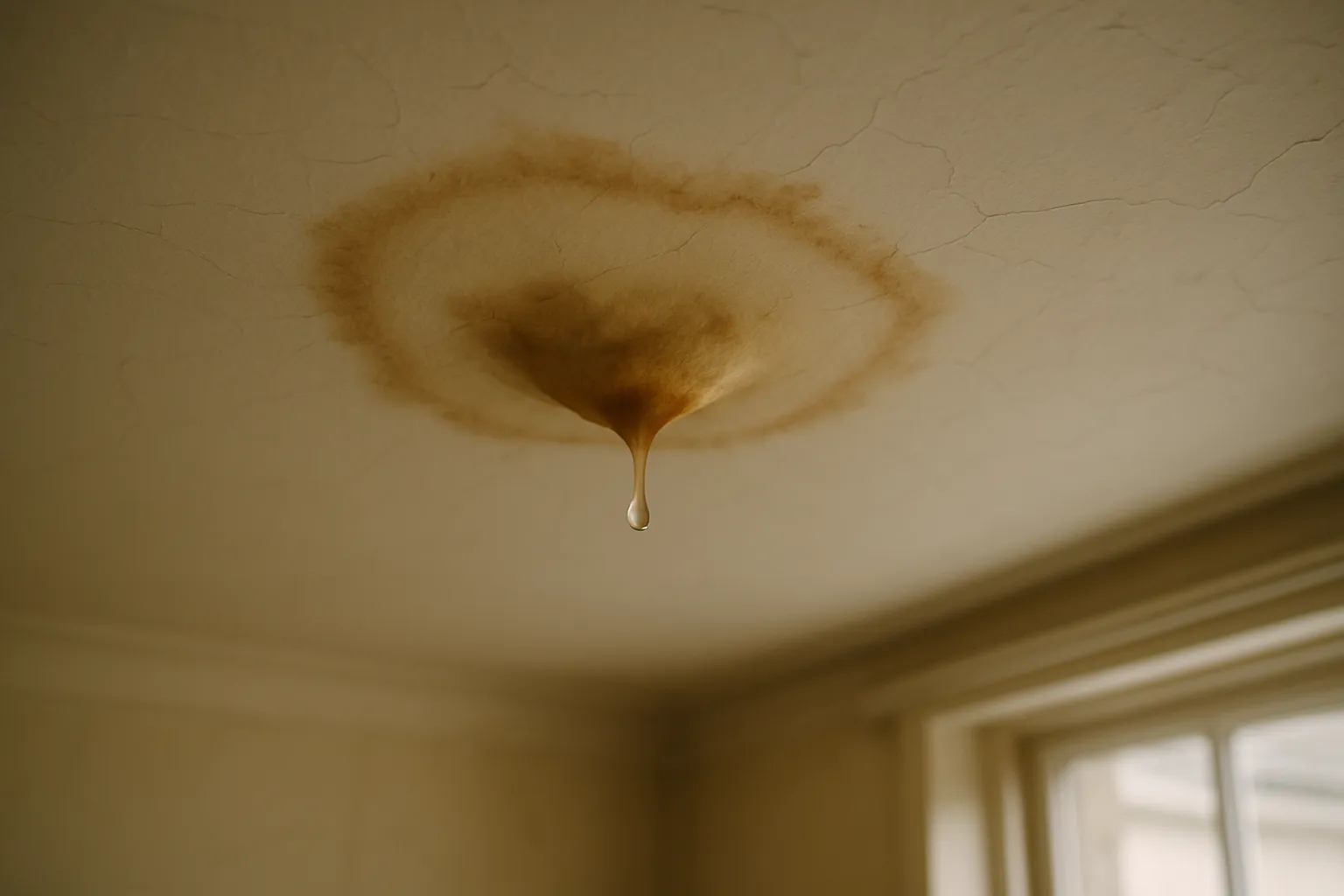
A burst pipe or slow leak can cause thousands of pounds of damage in a matter of hours. Once the immediate crisis is over, most homeowners turn to their buildings or contents policy — only to discover that the excess for an escape of water claim is considerably higher than they expected. Here is a plain-English breakdown of what to expect.
What Is an Escape of Water Excess?
Your insurance excess is the amount you pay yourself before your insurer covers the rest. Most policies have a standard excess (often £100–£250) that applies to most claim types. Many policies then add a compulsory escape of water excess on top, specifically for water damage claims.
That means your total out-of-pocket contribution for a water damage claim is often:
Standard excess + escape of water excess = total excess
Typical Escape of Water Excess Amounts
Figures vary significantly between insurers and policy tiers, but based on commonly published policy documents you can expect:
| Policy type | Typical total excess range |
|---|---|
| Basic / budget policies | £250 – £400 |
| Standard mid-market policies | £350 – £600 |
| Premium or high-value home policies | £500 – £1,000+ |
| Landlord / buy-to-let policies | £500 – £1,500 |
Some insurers list the escape of water excess separately in the policy schedule — look for a line that says something like “escape of water — additional excess: £350”. Others fold it into a single combined figure.
Always check your own policy schedule, not just the headline excess quoted when you bought the cover. The schedule is the legally binding document.
Why Do Insurers Charge More for Water Damage Claims?
Escape of water is consistently one of the most expensive claim types for UK insurers. Water travels through floors, walls and ceilings quickly, often causing damage that is only discovered weeks later when mould or structural issues appear. Because the average payout is high, many insurers offset the risk by charging a higher compulsory excess to discourage smaller claims and share more of the cost with the policyholder.
Some insurers also apply a higher excess if the property was unoccupied for more than a defined period (commonly 30 or 60 days) when the leak occurred. Check your policy wording for unoccupancy clauses.
How to Check Your Excess Before You Claim
- Find your policy schedule — this is the document issued each year showing your specific cover levels and excesses. It is separate from the policy booklet.
- Look for a table of excesses — it may be headed “excesses applicable to your policy” or similar.
- Add up all applicable excesses — standard + escape of water + any voluntary excess you chose at purchase.
- Get a repair estimate first — before you call your insurer, get a written quote for the repair work. If the repair cost is only modestly above your total excess, claiming may not be financially worthwhile (see below).
When It May Not Be Worth Claiming
Making a claim — even a small one — can affect your no-claims discount and push your premium up at renewal. As a rough rule of thumb, many financial guidance sources suggest considering whether to claim when the repair cost is less than roughly twice your total excess.
For example: if your total excess is £500 and the repair bill is £650, you would receive only £150 from your insurer, but potentially lose a no-claims discount worth more than that over the next few years.
This is a personal financial decision that depends on your specific policy, your no-claims history, and your insurer’s renewal pricing. A fee-free comparison of renewal quotes the following year can help you judge the real cost of claiming.
What Documentation to Gather (Whether You Claim or Not)
If you do decide to claim, your insurer will typically ask for:
- Photographs of the damage and, where visible, the source of the leak
- A written report from a plumber describing the cause, location, and extent of the escape of water
- Moisture readings if damp has spread into walls or floors
- Receipts or estimates for repair and reinstatement work
A reputable plumber can provide a written cause-and-damage report. That document belongs to you — you submit it to your insurer yourself as part of your own claim.
Stopped the Leak? Now Get It Repaired Properly
The most important step after any escape of water is stopping further damage. A thorough repair, carried out promptly and documented in writing, protects both your home and your position if you do choose to claim.
If you have a leak or burst pipe in the TW postcode area right now, call us any time of day or night:
📞 07360 268948 — available 24/7
We will stop the leak, carry out the repair, and provide you with a written record of the cause and work completed. What you do with that record is entirely up to you.