How-to
Escape of Water Excess Explained: Why You May Pay £500 Before Your Insurer Pays
Understand compulsory and voluntary excess on escape of water claims, why a separate excess often applies, and what to check in your policy schedule.
Published 21 July 2026
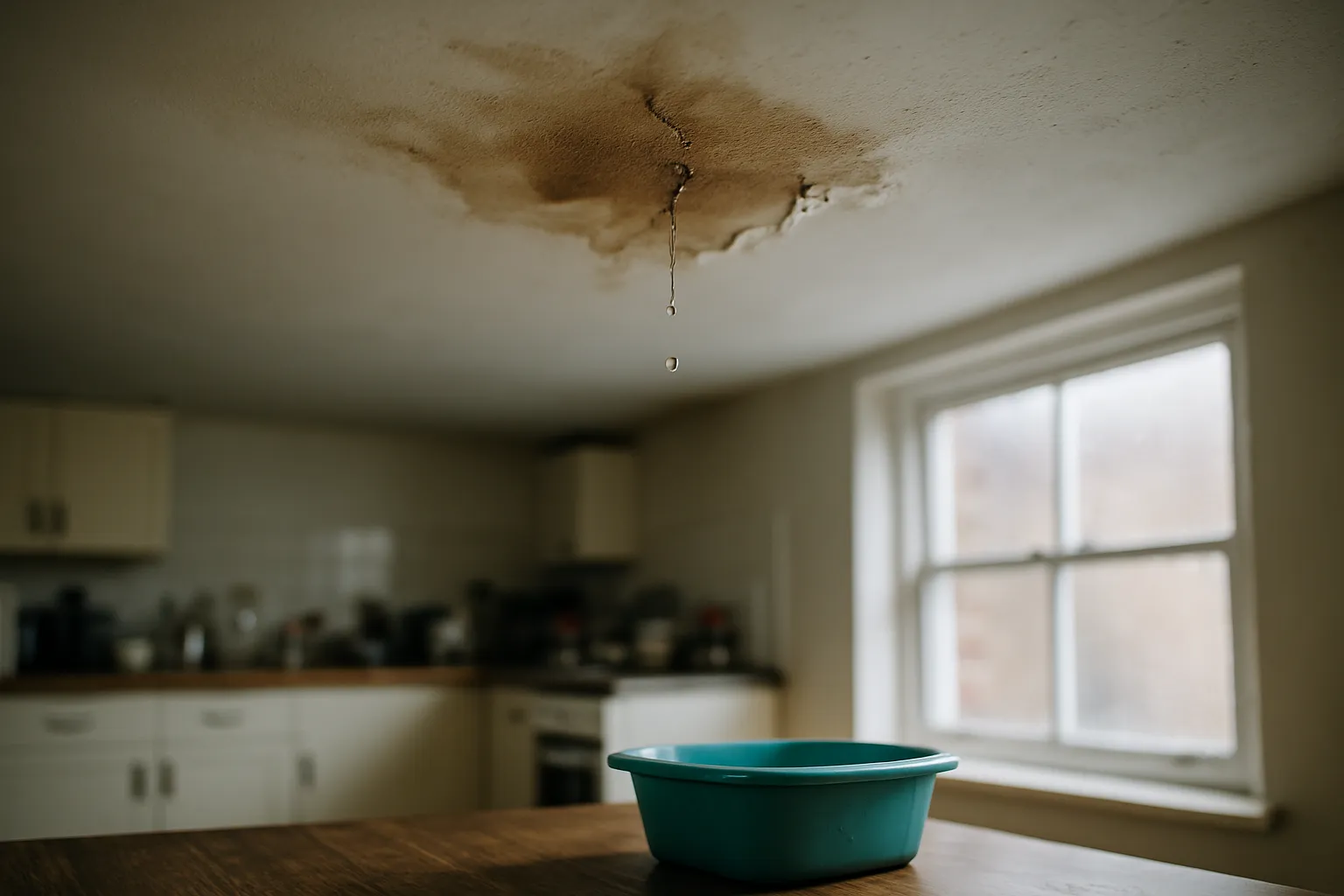
A water leak is stressful enough without a surprise bill on top. Yet many homeowners only discover their policy carries a separate, higher excess for escape of water claims once they are already dealing with a wet ceiling or a flooded floor. This guide explains how that excess works, why it exists, and what to look for in your own policy schedule — so there are no nasty surprises when you need to make a claim.
What Is an Excess?
An excess is the portion of any claim that you pay yourself before your insurer contributes. If your claim is worth £2,000 and your excess is £500, the insurer pays £1,500.
There are two types that may appear on your policy:
- Compulsory excess — set by the insurer; you cannot change it.
- Voluntary excess — chosen by you when you bought the policy, usually in exchange for a lower premium.
Both are added together when a claim is assessed. If your compulsory excess is £200 and your voluntary excess is £300, your total excess is £500.
Why Does Escape of Water Often Carry Its Own Excess?
Escape of water — the industry term for a leak from a pipe, tank, appliance or fixed installation — is one of the most frequently claimed-for events on home insurance policies. Because claims are common and often expensive (water damage spreads quickly and drying out a property takes time), many insurers apply a separate, higher excess specifically for this peril.
This separate excess is sometimes called a subsection excess or peril-specific excess. It replaces, rather than adds to, your standard excess for that type of claim. A typical range is £250 to £500, though some policies set it higher — particularly for older properties, properties with a previous leak claim, or policies sold at a lower annual premium.
The key point: this figure appears in your policy schedule, not just the general terms booklet. It is easy to overlook.
When Both Buildings and Contents Excesses Apply
If the same leak damages your building (ceilings, plasterwork, flooring) and your contents (furniture, carpets, electronics), you may be making two separate claims — one on your buildings policy and one on your contents policy.
If both policies carry their own escape of water excess, both excesses apply. For example:
- Buildings escape of water excess: £500
- Contents escape of water excess: £250
- Total you pay before either insurer contributes: £750
This is particularly relevant for people who hold buildings and contents cover with different insurers, but it can apply even when both are with the same provider if they are treated as separate policies.
What to Check in Your Policy Schedule
Your policy schedule is the document issued when you bought or renewed cover. It lists the specific figures that apply to your policy — not the generic figures quoted in the standard terms.
Look for:
- A section headed “Excesses” or “Your excess” — this should list each peril separately.
- Any line referencing “escape of water”, “water damage” or “trace and access” — these may carry a different figure from the standard excess.
- Trace and access cover — this is a separate benefit that pays for the cost of finding a hidden leak (cutting into walls or floors). Check whether it has its own limit or excess.
- Whether your voluntary excess applies on top of a peril-specific excess — some policies add them; others do not.
If you cannot find a clear answer, call your insurer’s claims line and ask them to confirm in writing what excess would apply to an escape of water claim before you decide whether to proceed.
When a Claim May Not Be Worth Making
If the total cost of repair is close to or below your excess, making a claim may not be worthwhile — particularly because a claim can affect your renewal premium for several years. Get a written repair estimate first, compare it with your excess, and make an informed decision.
A Note on Evidence
Whatever you decide about claiming, it is worth documenting the damage thoroughly at the time. Photograph everything before any drying or repair work begins. Note where the leak originated, how long it may have been running, and what has been affected. If a plumber attends, ask for a written report stating the cause of the leak and the scope of work carried out. That paperwork belongs to you and is yours to use however you see fit when dealing with your insurer.
The Repair Comes First
Understanding your excess is useful, but the immediate priority is always to stop the leak and limit further damage. Delay increases the extent of water damage — and therefore the size of any bill, whether you claim or not.
If you have a leak right now and need it stopped quickly, call Emergency Plumbers TW any time of day or night on 07360 268948. We cover Richmond, Twickenham, Teddington and the wider TW postcode area around the clock.