How-to
Does Home Insurance Cover Plumbing Problems? A Line-by-Line Guide
What home insurance typically covers for plumbing — leaks, burst pipes, boilers, drains — and the exclusions that catch most people out.
Published 24 July 2026
Does Home Insurance Cover Plumbing Problems?
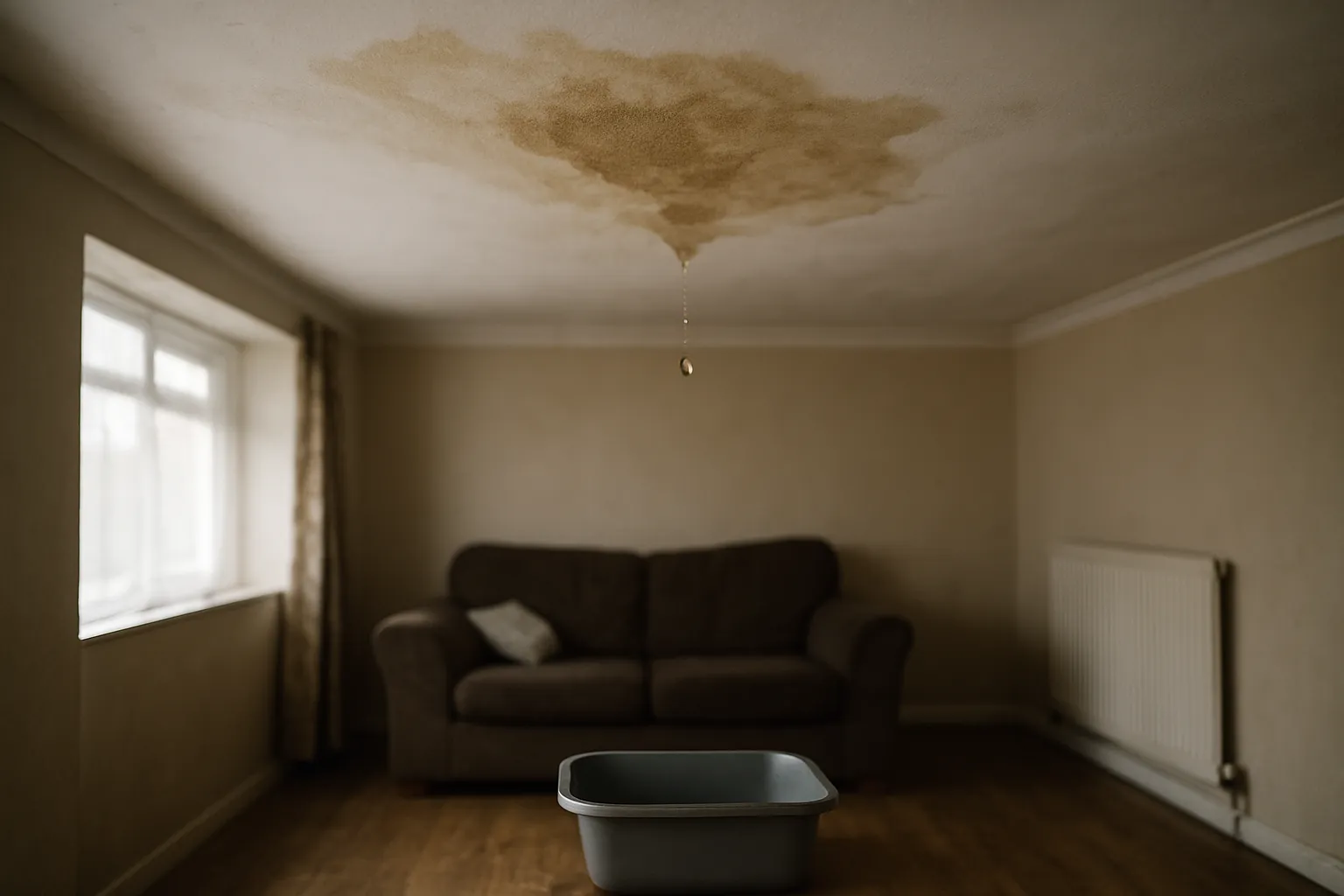
It depends — and the answer usually lives in the small print. Home insurance is not a maintenance contract. Most policies will pay for sudden, accidental damage caused by a plumbing failure, but they will not pay for problems that built up gradually or that you could reasonably have prevented. Understanding where that line sits can save you a great deal of frustration when you come to make a claim.
This guide walks through the most common plumbing scenarios and what insurers typically say about each one.
The Basic Split: Buildings vs Contents
Most home insurance has two parts.
Buildings cover protects the structure — walls, floors, ceilings, fitted kitchens, bathroom suites, and the pipes that are part of the fabric of the property.
Contents cover protects your belongings — furniture, carpets, electronics, and so on.
A burst pipe that soaks through a floor may trigger both: buildings cover for the structural damage, contents cover for ruined flooring or furniture. Check whether you have both, and whether they are with the same insurer or separate ones.
What Policies Typically Cover
Burst or Frozen Pipes
This is the scenario most policies are designed for. A pipe that freezes overnight and bursts, or that fails suddenly and floods a room, is generally treated as an insured event — provided you took reasonable precautions (such as keeping the heating on a low setting if you went away in winter).
Escape of Water
“Escape of water” is the industry term for any leak that causes damage. It is one of the most common home insurance claims in the UK. Policies usually cover the resulting damage — saturated ceilings, ruined plaster, damaged flooring — but they may or may not cover the cost of finding and repairing the actual source of the leak. Read your policy wording carefully on this point.
Accidental Damage
If you or a tradesperson accidentally puncture a pipe — drilling into a wall, for instance — accidental damage cover (often an optional add-on) will typically apply. Standard policies without this add-on may not pay out.
What Policies Typically Do NOT Cover
Wear and Tear
This is the exclusion that catches most people. If a pipe has corroded gradually, a tap washer has worn out, or a joint has been weeping slowly for months, insurers will usually treat this as maintenance — your responsibility, not theirs. The key question an insurer will ask is: was this sudden and unexpected, or did it develop over time?
Gradual Leaks
A slow drip behind a wall that has been dampening timbers for a year is unlikely to be covered, even if you only discovered it recently. Insurers may argue you should have noticed sooner, or that the damage was not sudden.
Pre-existing Problems
If a survey, previous claim, or your own knowledge shows a problem existed before your policy started, it will almost certainly be excluded.
General Maintenance and Repairs
Replacing a washer, unblocking a drain, servicing a boiler — these are routine maintenance costs. No standard home insurance policy covers them. This is where a separate home emergency policy or boiler cover plan comes in.
What Does a Home Emergency Add-on Cover?
Many insurers offer a home emergency add-on (sometimes called home emergency cover or home assistance cover). This is a separate product, usually sold alongside buildings insurance, and it works differently. It typically covers the call-out and first-fix costs for sudden failures such as:
- A complete boiler breakdown leaving you without heating or hot water
- A burst pipe causing immediate flooding
- A blocked or overflowing drain
- Loss of your only toilet
It is not the same as buildings insurance. It tends to have a per-claim limit (commonly £500–£1,000) and may not cover the cost of full repairs if the problem is complex. Check the exclusions — many home emergency policies will not cover boilers over a certain age.
Boilers and Radiators
A boiler breakdown is rarely covered under standard buildings insurance unless the boiler itself was physically damaged by an insured event (a flood, for example). Boiler cover is almost always a separate product — either a manufacturer’s extended warranty, a standalone boiler care plan, or a home emergency add-on.
Radiator leaks that cause water damage to floors or ceilings may fall under escape of water on a buildings policy, but again, the cause matters: a sudden failure is more likely to be covered than a joint that has been seeping for months.
Drainage Problems
Blocked drains are generally not covered by standard home insurance — they are considered a maintenance issue. However, if a drain collapses and causes subsidence or structural damage, that may be a different matter. Check whether your policy includes drain cover, and be aware that responsibility for drains can be split between you and your water company depending on where the blockage sits.
What Evidence Will Your Insurer Ask For?
When you report a plumbing claim, your insurer will typically want:
- Photographs of the damage and, where visible, the source
- A written report from a qualified plumber stating the cause, when it is likely to have started, and the scope of work required
- Moisture readings if damp is involved
- Receipts or invoices for any emergency work already carried out
Gathering this evidence is your responsibility. A good plumber will provide a clear written record of their findings — cause, photographs, moisture readings, and the work done. That document belongs to you and is yours to submit to your insurer.
A Practical Checklist Before You Call Your Insurer
- Read your policy schedule and the relevant section of your policy wording
- Note whether you have buildings cover, contents cover, accidental damage cover, or a home emergency add-on
- Photograph the damage before any repairs begin
- Get a written report from your plumber stating the likely cause
- Check your excess — for escape of water claims, excesses can be high
If You Have an Active Leak Right Now
Stop the leak first — everything else can wait. Turn off your stopcock (usually under the kitchen sink or where the supply enters the property), open cold taps to drain pressure, and call a plumber.
If you need emergency help anywhere in the TW postcode area — Twickenham, Richmond, Teddington, Hounslow, Feltham, Staines or nearby — call us any time on 07360 268948. We will stop the damage, carry out the repair, and give you a full written record of what we found and what we did. What you do with that record is entirely up to you.