How-to
Booking a CP12 for Multiple Properties: A Landlord's Guide (TW & Richmond)
How landlords with multiple lets in the TW and Richmond area can schedule CP12s, coordinate access and keep records without letting a certificate lapse.
Published 15 July 2026
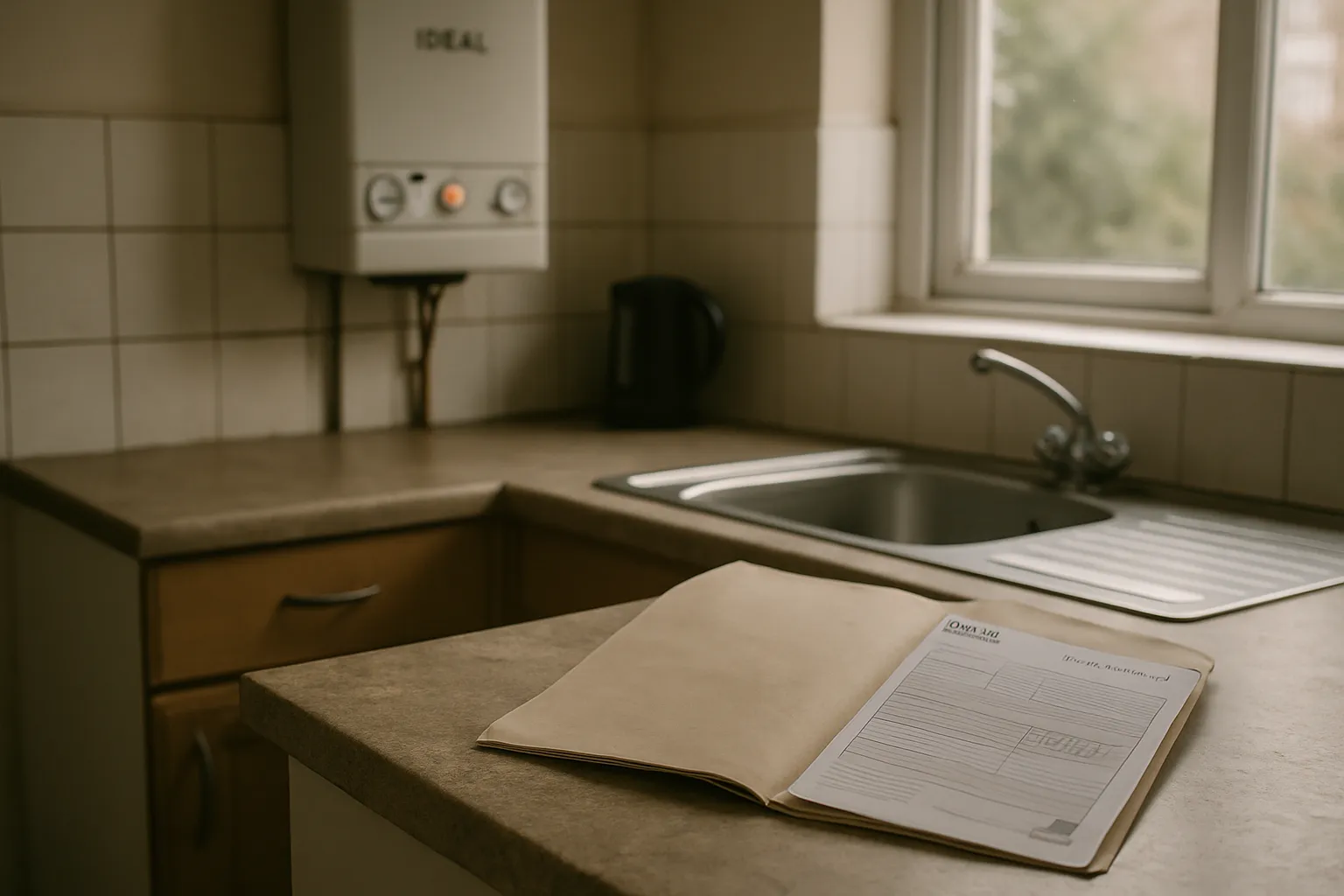
Managing CP12s Across a Portfolio: What Every TW Landlord Needs to Know
If you own one rental property, keeping on top of the annual gas safety check is straightforward enough. Own three, five or ten — spread across Twickenham, Richmond, Teddington, Isleworth and beyond — and the admin alone can become a part-time job. Certificates expire on different dates, tenants change, letting agents may or may not be on top of things, and a single lapsed certificate puts you in breach of the Gas Safety (Installation and Use) Regulations 1998.
This guide is for landlords with multiple lets in the TW and Richmond postcode area who want a practical system rather than a last-minute scramble.
What the Law Requires
Every residential property with gas appliances must have a valid Gas Safe registered engineer carry out a check at least once every 12 months. The resulting certificate — commonly called a CP12 — must be:
- given to existing tenants within 28 days of the check
- given to new tenants before they move in
- kept on file by the landlord for at least two years
There is no grace period. A lapsed certificate, even by a day, is a criminal offence under the Regulations.
Building a Scheduling System for Multiple Properties
The single most useful thing a portfolio landlord can do is create a master renewal calendar. For each property, record:
- the address and postcode
- the current certificate expiry date
- the name and contact details of the current tenant (or letting agent)
- any known appliances (boiler make and model, gas hob, gas fire)
Set a reminder at least six weeks before each expiry date. That gives you time to book an engineer, arrange access with the tenant, and chase if the appointment needs to be rescheduled — without any risk of the certificate lapsing.
A simple spreadsheet works well. Some landlords use property management software; others keep a shared calendar with their letting agent. The format matters less than the habit of updating it every time a tenancy changes.
Coordinating Access Across Different Tenants
Access is usually the biggest practical challenge. Tenants have jobs, children and plans; appliances are often in kitchens or utility rooms that need to be accessible. A few things that help:
- Give plenty of notice. Contacting tenants four to six weeks ahead gives them time to arrange to be in, or to nominate a trusted person to provide access.
- Offer a morning and an afternoon slot. Flexibility increases the chance of a first-time successful visit and avoids the cost of an abortive call-out.
- Confirm in writing. A short text or email confirming the date, time and engineer’s name reduces no-shows and gives you a paper trail.
- Remind again 48 hours before. A brief reminder message significantly reduces missed appointments.
If a tenant repeatedly refuses access, keep a written record of every attempt. The law requires you to take reasonable steps; documented evidence protects you if the matter is ever queried.
Working With Letting Agents
Many TW and Richmond landlords use letting agents for day-to-day management. If yours handles maintenance, clarify in writing exactly who is responsible for booking the CP12. Common arrangements include:
- Agent books, landlord pays directly. The agent coordinates access and scheduling; the landlord commissions and pays the engineer.
- Agent manages everything. The agent books, pays and holds the certificate on the landlord’s behalf. Make sure you receive a copy — the legal obligation remains yours.
- Landlord handles gas safety independently. Some landlords prefer to manage compliance themselves, regardless of who handles other maintenance.
Whichever arrangement you use, always ensure you personally hold a copy of every valid CP12. Do not rely solely on your agent’s filing system.
Keeping Records Across a Portfolio
For a portfolio, good record-keeping is not optional. Keep a dedicated folder — physical or digital — for each property containing:
- the current CP12 and the two most recent previous ones
- any engineer reports or remedial work notes
- correspondence with tenants about access
- any works carried out on gas appliances between annual checks
If a Gas Safe inspector or local authority ever asks for evidence of compliance, you want to be able to produce it quickly and confidently.
Avoiding a Lapsed Certificate
The most common reason certificates lapse is a failed first appointment that is not rescheduled in time. Build a buffer into your system: book the check with at least three to four weeks to spare, so there is room for one rescheduled visit before the expiry date arrives.
If you acquire a new property mid-tenancy, check the existing certificate immediately. If it is within three months of expiry — or already lapsed — arrange a check before the tenancy continues.
A Note on New Tenancies
If you are letting a property for the first time, or re-letting after a void period, the CP12 must be valid before the new tenant moves in. Do not leave this until move-in week.
Ready to Get Your Portfolio Booked In?
If you manage multiple lets in Twickenham, Richmond, Teddington, Isleworth, Hounslow or the surrounding TW postcode area, we can work with you to schedule CP12 checks across your properties in a way that fits your tenancy calendar.
Call us on 07360 268948 — available 24/7. We are Gas Safe registered and work regularly with local landlords and letting agents across the TW and Richmond area.