Emergencies
Burst Pipe Caused a Power Cut: Water and Electrics Safety
Water near sockets or a leak that's tripped your electrics? Learn how to stay safe when water and electricity meet in a plumbing emergency.
Published 1 July 2026
When Water and Electricity Meet
A burst pipe is alarming enough on its own. Add a flickering light, a tripped circuit, or water dripping near a socket and the situation becomes genuinely dangerous. Water conducts electricity, and even a small amount of moisture inside a fitting or consumer unit can cause a shock, a fire, or both.
The good news is that there are clear, straightforward steps you can take right now to protect yourself and your household before a plumber arrives.
Step 1: Do Not Touch Electrical Fittings Near the Water
If water is running down a wall, pooling near a socket, or dripping from a ceiling light fitting, keep everyone away from that area. Do not touch switches, plug sockets, or appliances in the affected zone, even if the power appears to be on and working normally.
Step 2: Turn Off the Electricity at the Consumer Unit
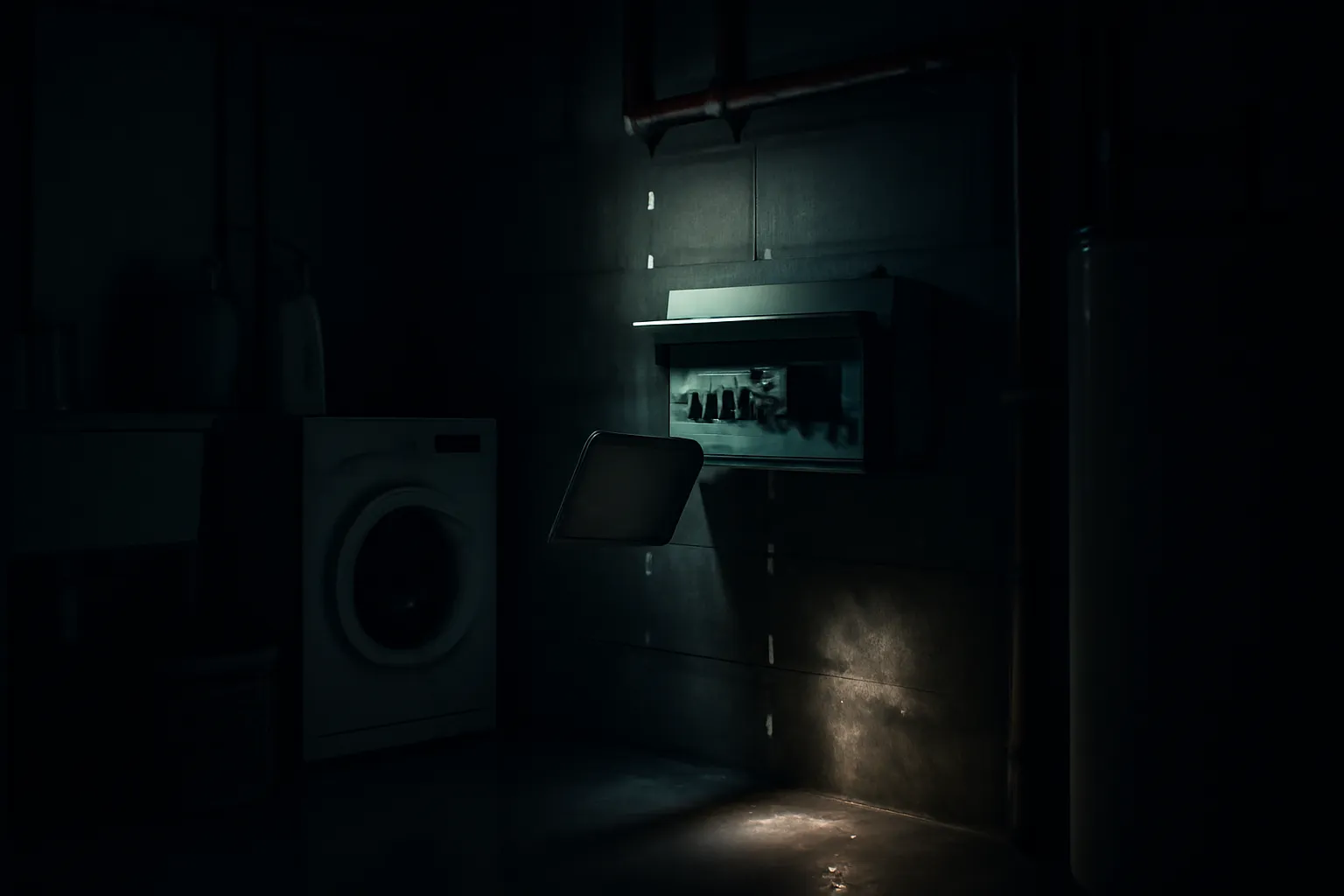
Your consumer unit (fuse box) is usually located in a hallway, under the stairs, or in a utility room. Find it and switch off the main isolator switch — this is typically the large switch at the top or side of the unit.
A few important points:
- Walk, don’t run. Keep calm and watch where you step; wet floors are slippery.
- Use a torch. If the power has already tripped, your home will be dark. Keep a torch in an accessible place for exactly this kind of situation.
- Do not touch the consumer unit if it is wet or if you have to reach through or over standing water to get to it. In that case, leave it alone and call us immediately.
- If only one circuit has tripped and the rest of the house is fine, leave the tripped breaker off until a qualified electrician has confirmed it is safe to reset.
Step 3: Isolate the Water Supply
Once the electricity is dealt with, stop the water at source.
- Stopcock — usually under the kitchen sink or where the mains supply enters the property. Turn it clockwise to close.
- Individual isolating valves — if you can identify the leaking pipe or appliance, there may be a small valve directly on that supply.
- Water meter stop valve — outside the property, often under a small cover in the pavement or driveway. Use a flat-bladed screwdriver or a meter key to turn it.
If you are not sure which valve is which, turning off the main stopcock is always the safest option.
Step 4: Do Not Use the Electrics Until They Have Been Checked
This is the step that people most often skip. Once the leak is fixed and things look dry, it is tempting to flick the main switch back on. Please do not do this without a qualified electrician inspecting the affected circuits first.
Water inside a consumer unit, light fitting, or socket can cause:
- Short circuits when power is restored
- Arcing inside concealed wiring
- Electrical fires that start inside walls or ceiling voids
An electrician can use a simple insulation resistance test to confirm that the wiring is safe before power is restored.
Common Scenarios We See in TW Homes
Water Through the Ceiling
A burst pipe on an upper floor or a failed bathroom seal often sends water into ceiling light fittings below. If a light flickers or goes out just before or after you notice a damp patch, treat it as an electrical hazard straight away.
Boiler or Washing Machine Leaks Near the Consumer Unit
In many TW properties, the consumer unit sits in a utility room alongside the boiler or washing machine. A slow leak from either appliance can saturate the wall behind the unit over weeks before anyone notices.
Frozen Pipes in Winter
When a frozen pipe thaws and bursts, the water release can be sudden and large. In loft conversions — common across Twickenham, Teddington, and Richmond — this often means water tracking down through insulation and into ceiling roses or recessed lighting.
A Quick Reference Checklist
- Keep everyone away from water near sockets or fittings
- Locate your consumer unit before an emergency happens
- Switch off the main isolator if it is safe to reach
- Turn off the water at the stopcock
- Do not restore power without an electrician’s sign-off
- Call a plumber to find and fix the source of the leak
We Are Here Around the Clock
If you have water coming through a ceiling, near electrics, or anywhere it should not be, do not wait to see if it gets worse. Call Emergency Plumbers TW on 07360 268948 — we cover Twickenham, Teddington, Richmond, Isleworth, Hounslow, Feltham, Staines and the surrounding TW postcode area, 24 hours a day, seven days a week.
Stay safe, isolate first, and let us deal with the rest.