Emergencies
How Much Does Water Damage Repair Cost? A Realistic Guide
Realistic UK cost ranges for water damage repair, what drives the price up or down, and how home insurance can help offset the bill.
Published 30 June 2026
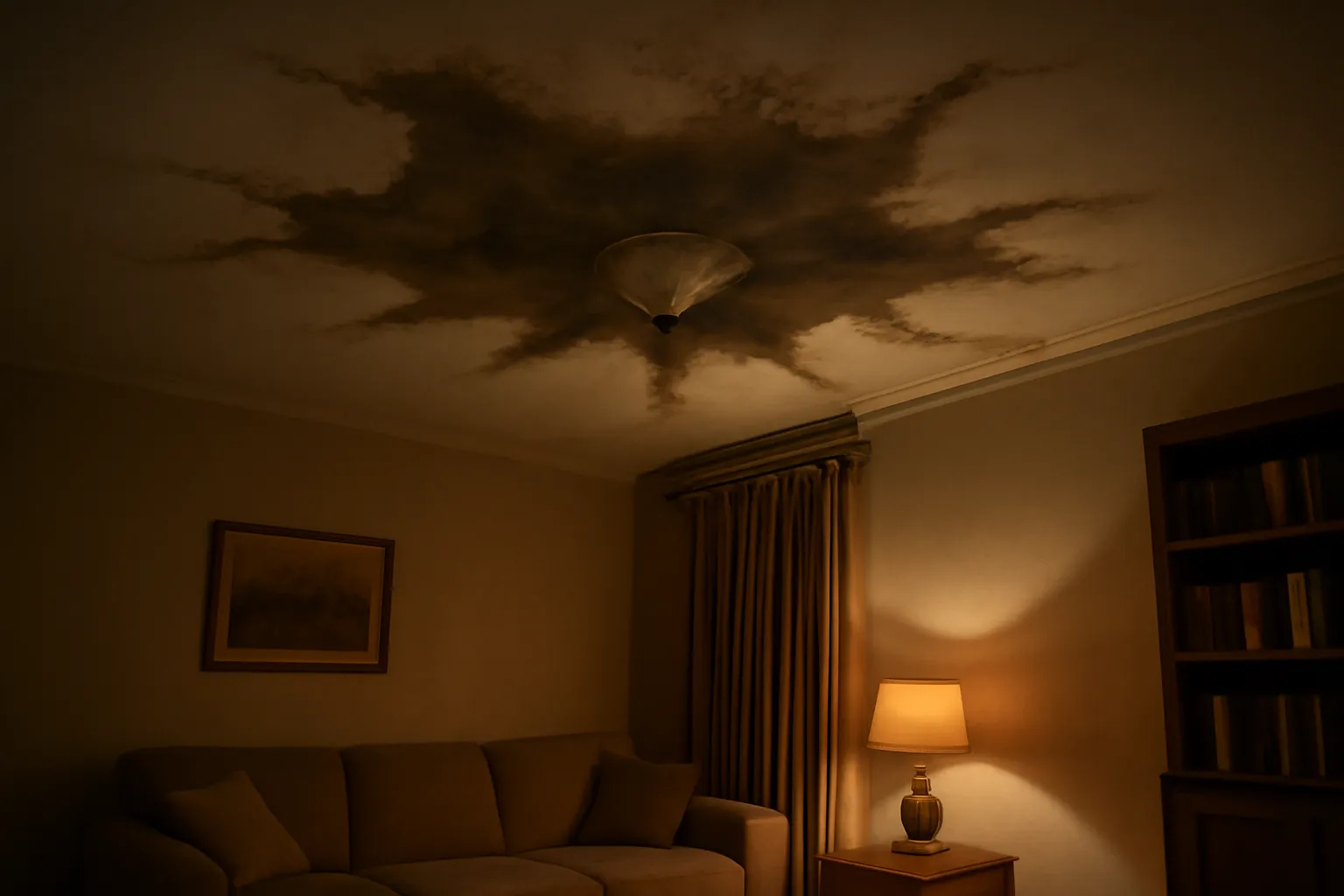
How Much Does Water Damage Repair Cost in the UK?
Water damage is one of those problems where the final bill can range from a few hundred pounds to tens of thousands, depending on how quickly you act, where the water came from, and what it has soaked into. This guide gives you honest cost ranges and explains the factors that move the needle in either direction.
Typical Cost Ranges
These figures reflect general UK market rates for 2025–2026. Every job is different, so treat them as a starting point rather than a firm quote.
| Type of damage | Typical cost range |
|---|---|
| Trace and fix a single leak (plumber) | £150 – £400 |
| Drying out a wet room (professional drying equipment, per week) | £300 – £800 |
| Replacing a section of damaged plasterboard | £200 – £600 |
| Replastering a ceiling after water ingress | £400 – £1,200 |
| Replacing a section of water-damaged flooring | £500 – £2,500 |
| Full room restoration after significant flooding | £3,000 – £15,000+ |
The plumbing repair itself is often the smallest part of the bill. The real cost lies in drying, stripping out and reinstating whatever the water has damaged.
What Drives the Cost Up?
1. How Long the Water Has Been Present
Water that has been sitting for 24–48 hours begins to soak into joists, insulation, and wall cavities. Mould can start to develop within 48–72 hours in warm conditions. The longer you wait, the more material needs replacing rather than simply drying out.
2. Where the Water Came From
Clean water from a burst supply pipe is the least hazardous and cheapest to deal with. Water from a leaking drain, toilet overflow or external flooding may be classed as grey or black water, which requires specialist sanitisation before any drying or reinstatement work can begin. That adds cost.
3. What Has Been Affected
- Plasterboard absorbs water quickly and often needs cutting out and replacing
- Timber joists and floorboards can warp, rot, or develop mould and may need structural assessment
- Insulation almost always needs replacing once wet
- Electrics must be inspected by a qualified electrician before power is restored to affected circuits
4. Access Difficulties
Leaks inside floor voids, behind tiled walls, or under concrete screed cost more to locate and repair because more investigative work is needed before any fixing can begin.
5. Drying Time
Professional drying with dehumidifiers and air movers is not a quick process. A moderately wet room typically takes 5–14 days of continuous equipment hire. Larger or more severely affected areas take longer.
What Can Reduce the Cost?
- Acting immediately. Turning off the water supply and calling a plumber within the first hour limits how far water travels and how deeply it penetrates.
- Good ventilation. Opening windows and removing standing water with towels or a wet-dry vacuum while you wait for professionals helps.
- Catching it early. A slow drip caught at the first stain on a ceiling is far cheaper to deal with than one discovered only after a ceiling collapses.
Will Home Insurance Cover It?
In many cases, yes — but the detail matters.
Most standard home insurance policies cover sudden and accidental water damage, such as a burst pipe or an appliance failure. They typically do not cover:
- Damage caused by gradual leaks or poor maintenance
- The cost of finding and fixing the source of the leak (trace and access is sometimes an add-on)
- General wear and tear
What to do if you plan to claim:
- Photograph everything before any work begins
- Keep receipts for any emergency call-out or temporary repairs
- Contact your insurer as soon as possible — most policies require prompt notification
- Ask your plumber for a written report describing the cause and extent of the damage
Some insurers will appoint their own loss adjusters and contractors. You are generally entitled to obtain your own independent quotes, though check your policy wording.
A Note on Trace and Access Cover
Some home insurance policies include trace and access cover as standard, or as an optional extra. This pays for the cost of locating a hidden leak — cutting into walls, lifting floorboards — and reinstating those surfaces afterwards. If you have it, use it. If you are not sure, check your schedule of cover before you call a tradesperson.
The Bottom Line
The cost to fix water damage in the UK depends almost entirely on speed of response, source of water, and the materials affected. A leak caught and stopped within the hour might cost a few hundred pounds all in. The same leak left to run overnight can multiply that figure several times over.
If you have water coming through a ceiling, pooling under a floor, or visibly soaking a wall right now, the most cost-effective thing you can do is stop the source immediately and get a plumber on site as quickly as possible.
If you are in the TW postcode area and need emergency help, call us any time on 07360 268948. We are available 24 hours a day, seven days a week, and we aim to get to you quickly before the damage has a chance to spread.