Insurance
Your Post-Leak Recovery Checklist: Repair, Dry, Claim and Prevent
Everything you need to do after a water leak at home — from emergency repairs and drying out to insurance claims and preventing the next one.
Published 30 June 2026
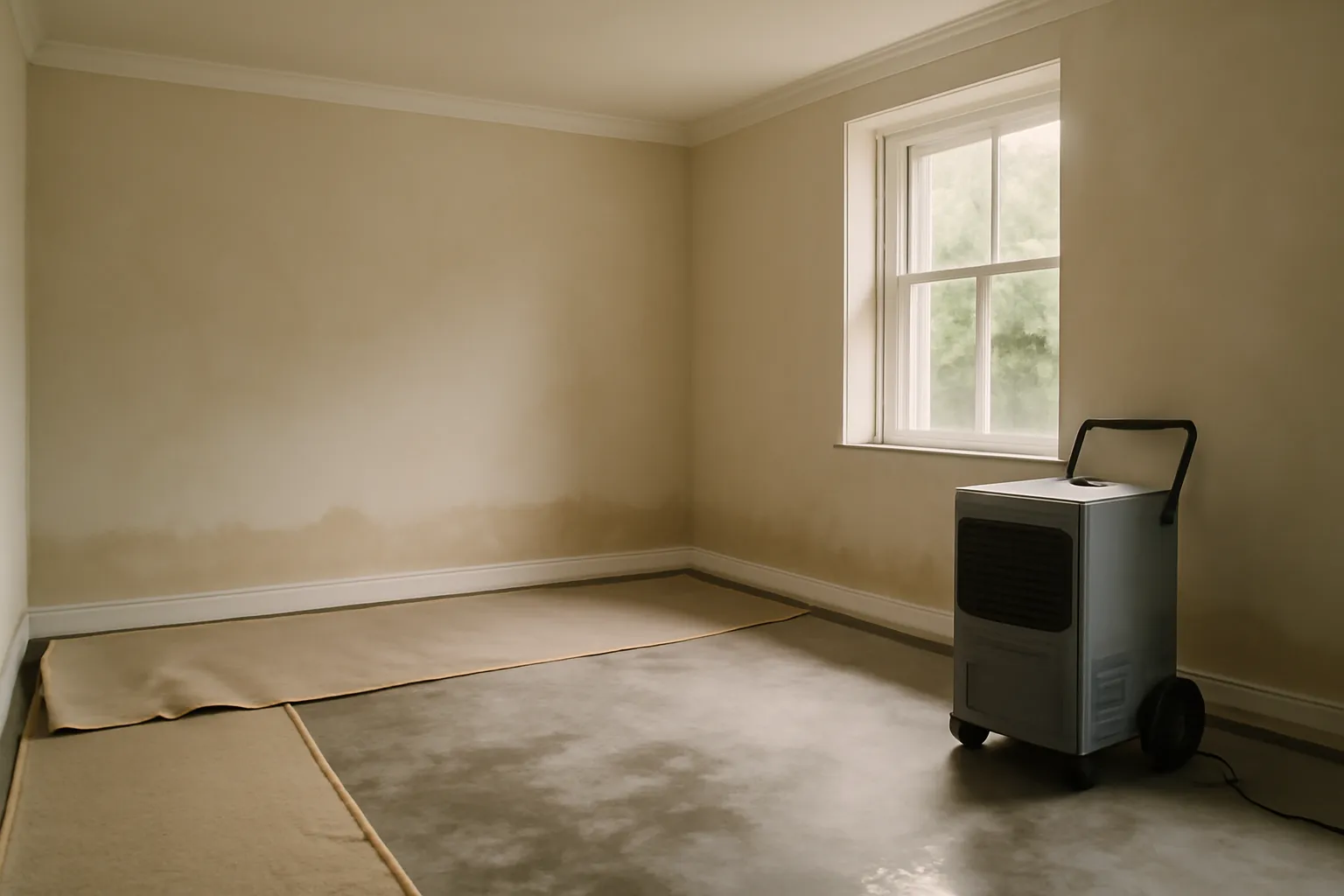
A water leak is stressful enough while it is happening. Once the water stops flowing, it can feel as though the hard work is done — but the recovery process is just beginning. This checklist walks you through every stage, so nothing gets missed and you do not end up with hidden damage that causes problems months down the line.
Stage 1: Immediate Safety (First Hour)
Before you start mopping up, make sure the property is safe.
- Turn off the water at the stopcock if you have not already done so.
- Switch off electricity at the consumer unit in any rooms that have been affected by water. Do not turn it back on until a qualified electrician has confirmed it is safe.
- Check for gas — if you smell gas at any point, leave the property and call the National Gas Emergency Service on 0800 111 999.
- Move valuables, furniture and soft furnishings away from wet areas to limit further damage.
- Take photographs of everything before you touch it. Insurers will ask for evidence.
Stage 2: Get the Source Properly Repaired
A temporary fix is better than nothing, but it is not the end of the story. Once the immediate crisis is over, make sure the source of the leak is fully diagnosed and repaired by a qualified plumber.
What to check:
- Was the leak from a pipe joint, a corroded section, a failed appliance hose or something else entirely?
- Has the plumber confirmed the repair is permanent, not just patched?
- If the leak came from a boiler or heating system, has the relevant engineer signed off the work?
Do not assume the leak was isolated. Pressure in your system can expose weaknesses elsewhere, so a thorough inspection is worthwhile at this stage.
Stage 3: Dry the Property Thoroughly
This is the step people most often underestimate. Structural drying takes far longer than it looks.
- Open windows and doors to ventilate the affected rooms.
- Use dehumidifiers and fans — hire them if you do not own them. Many tool-hire shops in the TW area can supply these quickly.
- Lift saturated carpets and underlay. Both usually need to go if they have been soaked.
- Check subfloors, skirting boards and wall cavities. Moisture hides in these areas and causes mould if left untreated.
- Allow at least 48–72 hours of active drying before assessing whether the structure is dry, and longer for solid floors or thick plasterwork.
- If you are in any doubt, a damp specialist can use moisture meters to confirm the structure is genuinely dry before you redecorate.
Stage 4: Document and Make Your Insurance Claim
If you have home insurance, you may be able to claim for damage to the structure, flooring, fixtures and contents.
Steps to follow:
- Call your insurer promptly — most policies require you to report damage within a set timeframe.
- Send your photographs taken immediately after the leak.
- Keep all receipts and invoices from plumbers, electricians, damp specialists and any equipment hire.
- Ask your plumber for a written report describing the cause and the repair carried out — insurers often request this.
- Do not carry out permanent repairs to walls or floors until your insurer has agreed to the claim or sent a loss adjuster, unless delay would cause further damage.
A note on trace and access cover
Some home insurance policies include “trace and access” cover, which pays for the cost of locating a hidden leak (for example, cutting into a wall or lifting floorboards). Check your policy documents or ask your insurer directly.
Stage 5: Prevent the Next Leak
Once the property is dry and repaired, it is worth taking a little time to reduce the risk of a repeat.
- Fit an automatic stopcock (sometimes called a leak detection shut-off valve). These can close your water supply automatically if a sensor detects a leak.
- Lag exposed pipes in lofts, garages and outside walls before winter arrives.
- Service your boiler annually — most heating leaks are preventable with regular maintenance.
- Check washing machine, dishwasher and refrigerator hoses every year and replace them if they show any signs of cracking or swelling.
- Know where your stopcock is and make sure everyone in the household knows too.
A Final Word
Working through the aftermath of a leak is rarely quick, but following these steps in order means you are less likely to face hidden damp, a rejected insurance claim or a repeat incident further down the line.
If you are still dealing with an active leak, or if you have completed repairs and want a qualified plumber to inspect your pipework for any remaining vulnerabilities, we are available around the clock across the TW postcode area.
Call Emergency Plumbers TW any time on 07360 268948.