Insurance
How to Read Your Policy for Escape-of-Water Cover
Find the parts of your home insurance policy that matter after a leak. Learn what escape of water covers, common exclusions, and what to look for before you claim.
Published 10 July 2026
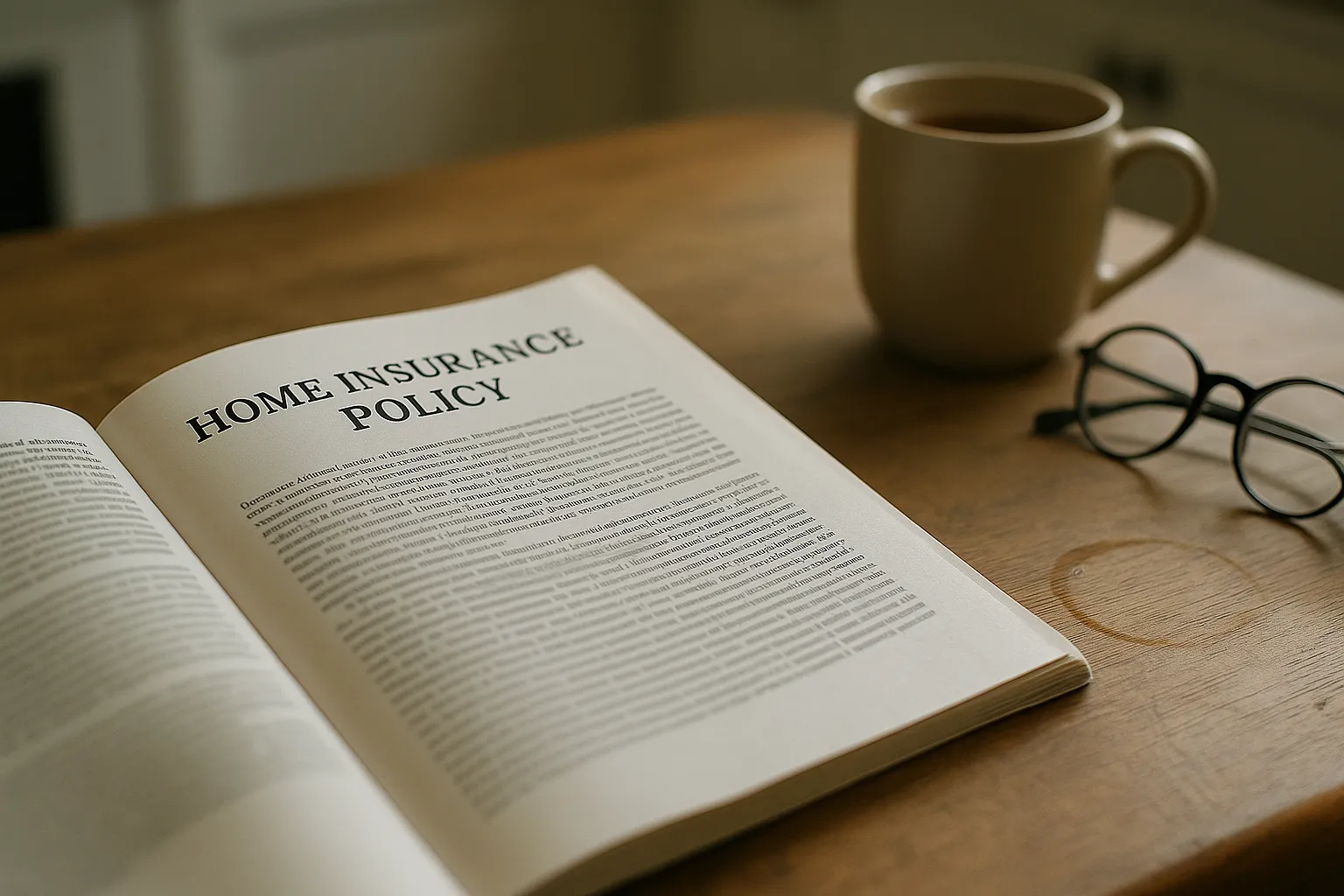
After a leak, the last thing you want is a surprise from your insurer. The best time to understand your cover is before anything goes wrong. This guide shows you exactly what to look for in your policy documents.
Find the Right Section
Look for one of these headings in your policy booklet or schedule:
- Escape of water
- Water damage
- Accidental damage to buildings
- Trace and access
- Leak damage
The buildings section usually covers the structure and fixed fixtures. The contents section covers your belongings. A leak can affect both, so check both parts.
What Escape of Water Usually Covers
A typical buildings policy covers sudden escape of water from:
- Pipes, tanks and cylinders
- Fixed heating or plumbing systems
- Appliances that are plumbed in, such as washing machines and dishwashers
Covered damage usually includes the water damage to walls, ceilings, floors and fixtures, plus the cost of repairing the leaking pipe itself.
It may not include finding the leak if it is hidden. That is where trace and access cover comes in — check whether it is included or an optional extra.
Common Exclusions to Watch For
Insurers often exclude or limit cover for:
- Damage caused gradually over time, not a sudden leak
- Wear and tear or lack of maintenance
- Leaks that started before the policy began
- Damage to the pipe or appliance itself, if not sudden
- Properties left unoccupied for longer than the policy allows
- Frozen pipes that burst because they were not properly lagged or heated
Read the exclusions carefully. A slow leak behind a bath panel may not be covered even though a burst pipe in the same wall would be.
Check Your Excess
Your policy schedule shows the excess you pay on any claim. For escape of water, there is sometimes a higher excess than for other claims.
Look out for:
- Standard policy excess
- Escape-of-water excess
- Trace-and-access excess
If the total cost is only just above the excess, you might choose not to claim to protect your no-claims record.
Accidental Damage Cover
Some policies include accidental damage as standard. Others offer it as an add-on. Accidental damage can cover things like drilling through a pipe, dropping a heavy object that cracks a appliance hose, or a tap left running.
If you do not have it, those kinds of incidents may not be covered at all.
What to Photograph Before You Claim
If you do have a leak, gather this evidence before anything is cleaned up:
- Wide shots of the affected room
- Close-ups of the damaged floor, ceiling, walls and contents
- The failed pipe, joint or appliance part
- The stopcock, meter or any relevant control
- The path the water took if it spread
Keep the failed parts until the insurer confirms they have enough information.
When to Notify Your Insurer
Most policies require you to inform the insurer promptly or as soon as reasonably possible. That does not mean you must claim immediately. You can report the incident, get the leak stopped and obtain a plumber’s report, then decide whether to proceed.
Delaying emergency repairs to wait for insurer approval is usually a bad idea. Most policies expect you to take reasonable steps to prevent further damage.
Need a Plumber to Document the Cause?
Call 07360 268948 — we answer 24/7 across the TW area. We will stop the leak, repair the fault, and give you a dated record of what failed and what we did. Whether you claim or not, having the facts written down makes the whole process easier.