Insurance
Landlord Water Damage Insurance Responsibilities in the UK
Who pays when a leak damages a rented property — landlord or tenant? What insurance covers, and what both sides should document after a leak.
Published 10 July 2026
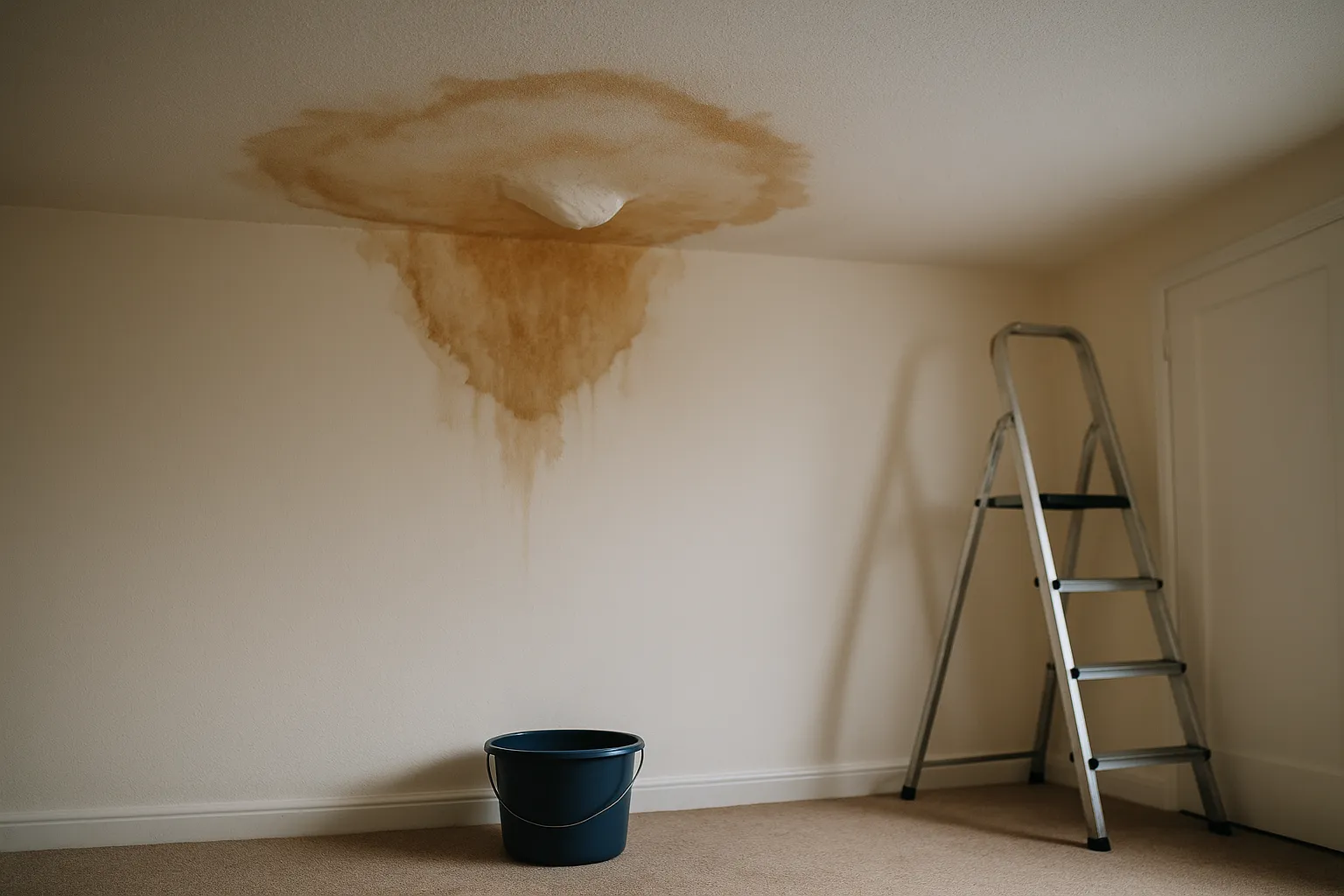
A leak in a rented property creates two headaches: stop the water, and work out who pays for the damage. The answer usually depends on what was damaged and whose insurance covers it.
This guide explains the split between landlord and tenant responsibilities and what both sides should do in the first few hours.
The Basic Split
- Landlord typically owns and insures the building: walls, floors, ceilings, fitted kitchens, bathrooms, boilers, pipes, radiators and fixed fixtures.
- Tenant typically owns and insures their own contents: furniture, clothes, electronics, carpets if they laid them, and personal belongings.
If a pipe bursts and ruins the floorboards and the tenant’s sofa, the landlord’s buildings policy may cover the floor, while the tenant’s contents policy covers the sofa.
Whose Fault Is It?
Fault matters less than people think for insurance. A burst pipe is usually nobody’s fault — it is a sudden plumbing failure. In those cases, the relevant policy pays for the relevant items.
Where fault can matter:
- A tenant ignored a dripping tap for weeks and it worsened
- A tenant drilled through a pipe while hanging shelves
- A landlord failed to maintain the boiler or heating system
- A landlord was notified of a leak and did not act
For small disputes, documentation usually sorts it out. For large ones, the insurers argue it between themselves.
What the Landlord Should Do
- Arrange emergency repair to stop the water and prevent further damage
- Inform the buildings insurer promptly if the damage is significant
- Keep invoices and reports from the plumber
- Document communications with the tenant about the leak
- Arrange drying, repairs and making-good or confirm the insurer’s process for doing so
The landlord is usually responsible for making the property habitable again, not the tenant.
What the Tenant Should Do
- Report the leak to the landlord or agent immediately — ideally in writing
- Move personal items out of the wet area if it is safe
- Take photos of damaged belongings and the source of the water
- Contact their contents insurer if personal items are damaged
- Keep receipts for any emergency purchases or alternative accommodation
Tenants should not withhold rent because of a leak. That creates a separate dispute. The correct route is to report it, document it, and follow the landlord’s repair process.
Who Pays for the Plumber?
If the leak is in the landlord’s pipes, boiler, radiators or fixtures, the landlord normally pays for the repair. If the tenant caused the damage, the landlord may recover the cost from the tenant or their deposit, but this needs evidence.
For landlords with multiple properties, having one reliable emergency plumber who understands the area and produces clear reports makes managing claims much simpler.
Why Documentation Helps Both Sides
Whether you are the landlord or the tenant, a written record from the attending plumber is valuable:
- The cause of the leak and when it was discovered
- Photos of the failed component and the resulting damage
- Moisture readings and the scope of the emergency repair
- An itemised invoice for the work
This record can be passed to either insurer. It reduces disputes and speeds up decisions.
Need an Emergency Plumber for a Rental Property?
Call 07360 268948 — we answer 24 hours a day across the TW area. We work for landlords, letting agents and tenants, stop the water fast, and provide a clear written record of the cause and repair for whichever insurer needs it.