Insurance
Will Claiming for a Leak Raise My Premium? Honest Answer
Weighing up whether to claim on home insurance for a water leak? Here's honest, practical guidance on excess, premiums and when it makes sense to claim.
Published 30 June 2026
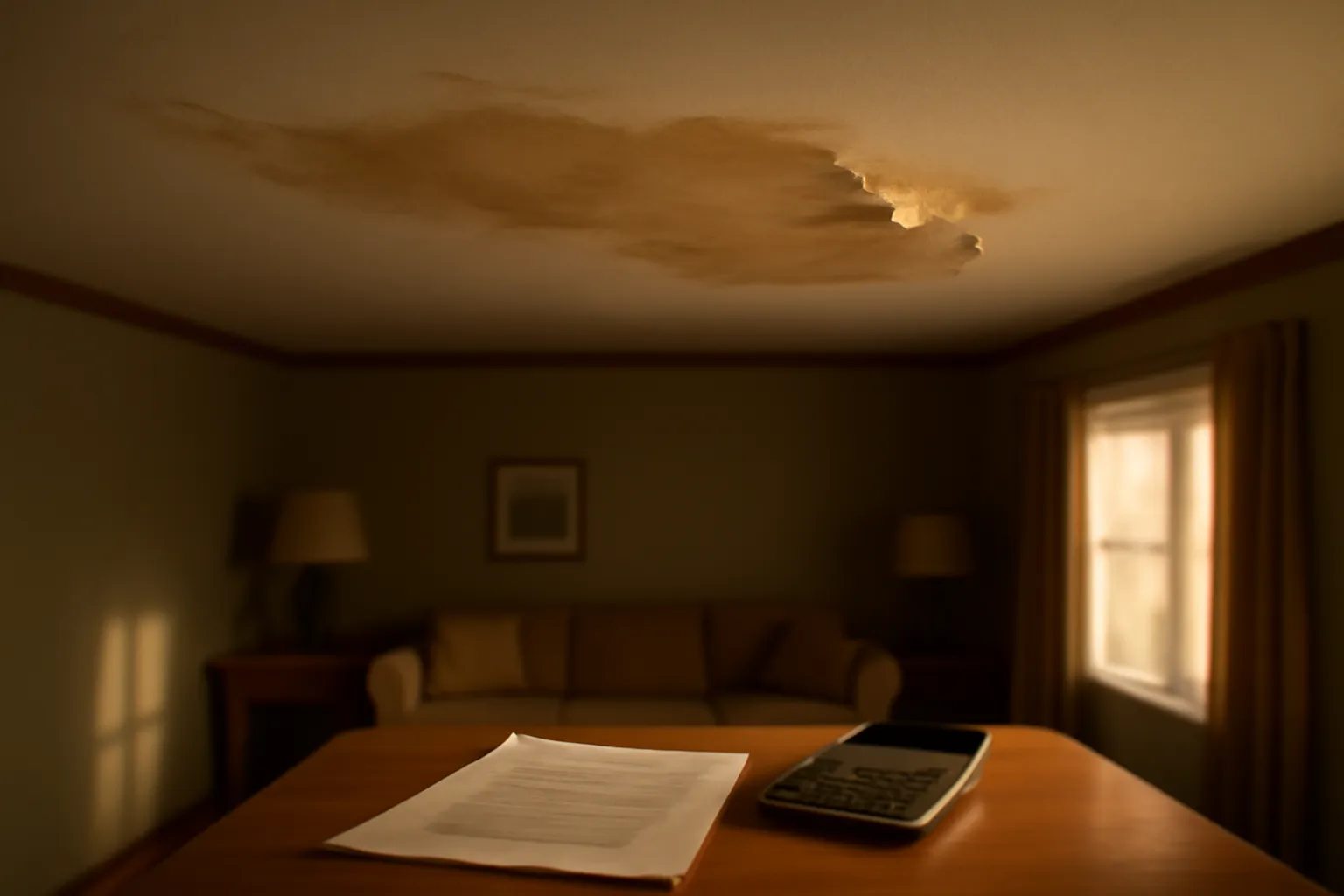
Finding a leak in your home is stressful enough without then having to work out whether telling your insurer will cost you more in the long run. This guide gives you honest, straightforward information to help you think it through — though we are plumbers, not financial advisers, so for tailored advice always speak to your insurer or an independent broker.
The Short Answer
Yes, making a claim can affect your future premiums — but it does not always do so, and the impact varies widely between insurers, policy types and your own claims history. The only way to know for certain is to ask your insurer directly before you commit to a claim.
Understanding Your Excess
Your excess is the amount you pay towards any claim before your insurer covers the rest. Most home insurance policies have two parts:
- Compulsory excess — set by your insurer, non-negotiable.
- Voluntary excess — an amount you agreed to pay when you took out the policy in exchange for a lower premium.
If the cost of repairing the leak and any resulting damage is close to, or less than, your total excess, making a claim makes little financial sense. You would pay the same (or more) out of pocket and still trigger a record of a claim on your policy.
Example: If your total excess is £350 and a plumber quotes £400 to fix a leaking pipe and patch a small area of ceiling, the insurer would only pay out £50. That is unlikely to be worth the administrative hassle or potential premium impact.
How Claims Affect Premiums
Insurers use your claims history to assess risk. A water damage claim — particularly one involving escape of water — is one of the more expensive categories for insurers, so it can attract more attention than, say, a minor accidental damage claim.
Possible outcomes after a claim include:
- A premium increase at renewal, sometimes significant.
- Loss of a no-claims discount (NCD), if your policy includes one.
- A higher excess applied to future water-related claims.
- No change at all — some insurers are more lenient, especially for a first claim.
There is no universal rule. Two households on the same street, with similar damage, can have very different renewal outcomes depending on their insurer and policy wording.
When It Probably Makes Sense to Claim
- The damage is extensive — saturated floors, collapsed ceilings, damaged electrics, or structural concerns.
- The repair and reinstatement costs clearly exceed your excess by a meaningful margin.
- You do not have savings readily available to cover the work.
- The leak was sudden and accidental (many policies exclude gradual leaks, so check your wording carefully).
When It Might Not Make Sense to Claim
- The repair cost is close to or below your excess.
- You have a strong no-claims record that you value.
- The leak was slow and gradual — many policies will not pay out for these anyway, making a claim pointless and still leaving a record.
- You can comfortably afford the repair privately.
What Insurers Often Exclude
Before assuming your policy covers a leak, check the small print for common exclusions:
- Gradual deterioration — a slow drip behind a wall that has been present for months is often excluded.
- Wear and tear — ageing pipes or fittings that have simply reached end of life.
- Poor workmanship — damage caused by a previous repair done incorrectly.
- Unoccupied properties — cover is often reduced if the property has been empty for more than 30 days.
A Practical Approach
- Stop the leak first. Turn off your stopcock or isolate the affected supply. Protect your belongings and document the damage with photographs.
- Get a repair quote. Know what the work will actually cost before you decide anything.
- Check your excess. Add up your compulsory and voluntary excess figures.
- Call your insurer to ask — not to make a claim, but to ask how a claim of this type might affect your renewal. Some insurers will tell you; others will not, but it is worth asking.
- Decide based on the numbers and your circumstances. There is no single right answer.
A Note on Notification
Some policies require you to notify your insurer of significant damage even if you choose not to claim. Failing to do so can sometimes affect future cover. Check your policy documents or call your insurer to confirm.
The Bottom Line
Whether to claim is a genuinely personal decision that depends on your excess, the scale of the damage, your insurer and your own financial position. No one can give you a definitive answer without knowing those specifics — be cautious of anyone who tells you otherwise.
What we can help with is getting the leak fixed quickly and properly, so the damage does not get any worse while you are weighing up your options.
If you have an active leak right now and need it stopped, call us any time on 07360 268948. We cover the TW postcode area around the clock and can be with you fast.