How-to
What Not to Flush: The Real Cause of Blocked Toilets
Wipes, sanitary products, cotton wool — find out what really blocks toilets and how to prevent a costly emergency call-out in the TW area.
Published 30 June 2026
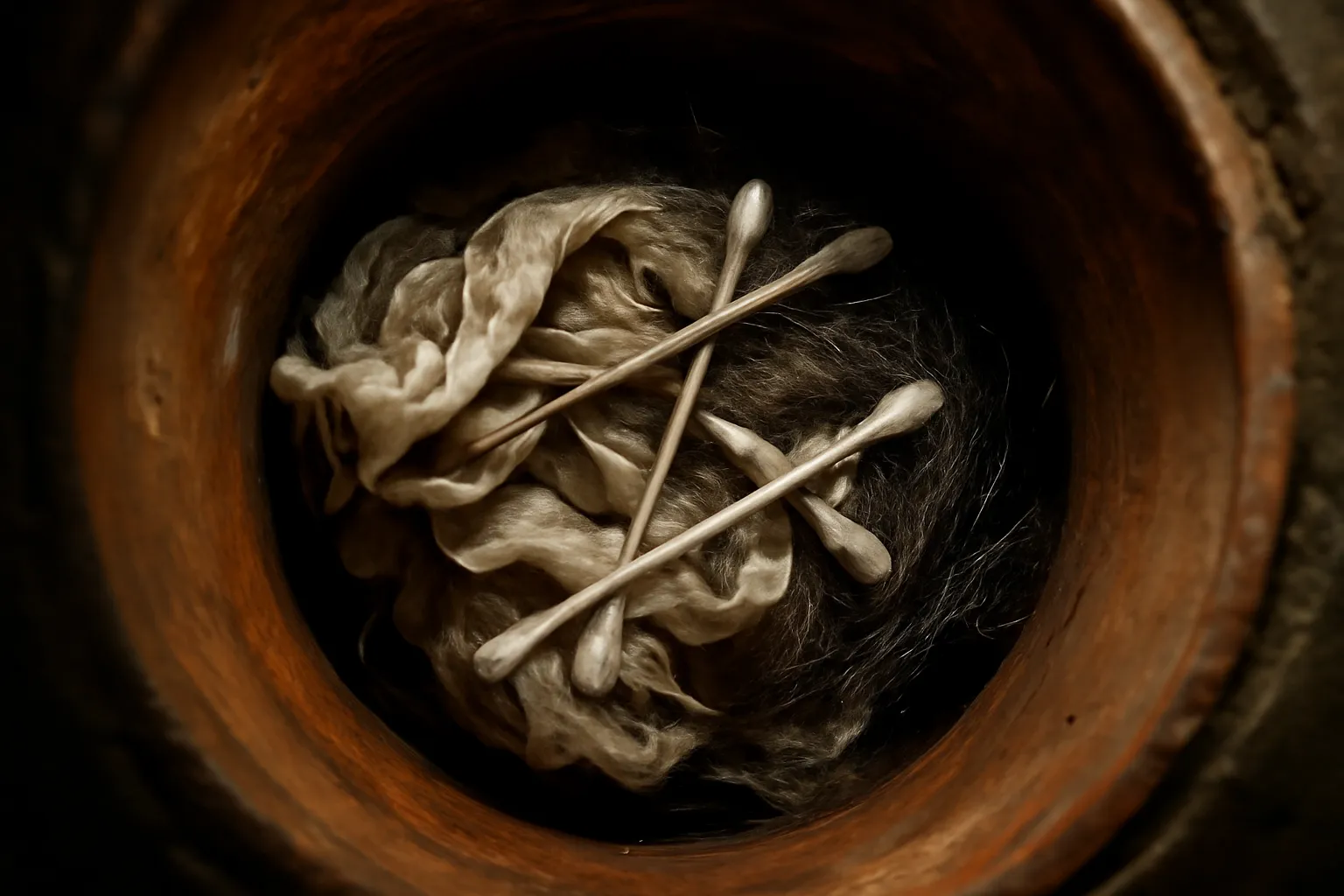
Blocked toilets are one of the most common emergency call-outs we attend across Twickenham, Richmond, Hounslow and the wider TW postcode area. In the vast majority of cases, the blockage was entirely preventable. The culprit is almost always something that should never have gone down the toilet in the first place.
Here is a straightforward guide to what not to flush — and why it matters more than you might think.
The “Flushable” Wipes Myth
This is the big one. Wet wipes — including products labelled “flushable” — are responsible for an enormous proportion of toilet blockages in the UK. Unlike toilet paper, which is designed to break apart rapidly in water, wet wipes are made to stay intact when wet. That is rather the point of them.
Once flushed, wipes travel a short distance down the drain before snagging on any slight imperfection in the pipework. They then catch other debris, building up into a dense, stubborn mass that water cannot shift on its own. These are sometimes called “fatbergs” when they combine with grease further along the sewer.
The rule is simple: no wipe of any kind belongs in the toilet. Bin them instead.
Other Common Offenders
Sanitary Products
Tampons, pads and panty liners are designed to absorb liquid and expand. Flushing them is a reliable way to create a serious blockage. They should always go in a sanitary waste bin.
Cotton Wool and Cotton Buds
Cotton wool balls and buds do not dissolve. Cotton buds in particular are rigid and can lodge sideways across a pipe, acting as a net that catches everything else passing through.
Nappies and Incontinence Pads
These should never go near a toilet. They are bulky, highly absorbent and will block a toilet almost immediately.
Dental Floss
Floss seems harmless because it is so thin, but it does not break down and it tangles. Over time it binds other debris together, making blockages worse.
Medicines and Plasters
Tablets and capsules dissolve, but blister packs, plasters and bandages do not. Plasters in particular are made from materials similar to wet wipes. They belong in the bin, not the toilet.
Paper Towels and Tissues
Standard toilet paper is engineered to disintegrate quickly. Kitchen roll, facial tissues and paper towels are not. Even a small amount can cause problems, particularly in older pipework.
Hair
Hair pulled from a brush or shower drain should go in the bin. In a toilet it behaves like dental floss — tangling and trapping everything that follows.
Food and Cooking Grease
Grease and fat solidify as they cool, coating the inside of pipes and narrowing the passage for everything else. Combined with wipes, this is how serious fatbergs form.
Why Older TW-Area Pipework Is More Vulnerable
Many homes in Twickenham, Teddington, Isleworth and neighbouring areas have older clay or cast-iron drain runs with joints, bends and slight misalignments that give debris somewhere to catch. Newer properties are not immune either — even modern plastic pipework has bends that can trap material. The shorter the distance between your toilet and the main sewer, the less flushing force there is to carry debris clear.
Early Warning Signs of a Developing Blockage
- The toilet drains more slowly than usual after flushing
- You hear gurgling from the toilet or nearby drains
- Water rises higher in the bowl before draining away
- There is an unpleasant smell from the toilet or bathroom
If you notice any of these signs, act early. A partial blockage is far easier — and cheaper — to clear than a full one.
Simple Prevention Steps
- Keep a small bin in the bathroom. Make it easy for everyone in the household to dispose of wipes, cotton buds and sanitary products correctly.
- Read labels carefully. “Flushable” on a packet is a marketing claim, not a guarantee of safe disposal.
- Talk to children. Young children are curious about what will fit down a toilet. A brief conversation can prevent an expensive call-out.
- Schedule occasional drain maintenance. If you live in an older property, a periodic drain check can catch a slow build-up before it becomes a crisis.
If Your Toilet Is Already Blocked
A plunger can shift a straightforward blockage caused by too much toilet paper. However, if the toilet is not draining at all, is overflowing, or if you suspect the blockage is further down the drain run, stop flushing and call a professional. Continuing to flush a blocked toilet risks an overflow that can cause significant water damage and a hygiene problem.
Our team is available around the clock across the TW area. If you have a blocked or overflowing toilet that you cannot shift yourself, call us on 07360 268948 and we will get someone to you as quickly as possible.
Our sister drainage firm Drainiacs tell the story of the toilet that kept blocking and the hidden cause five plunger attempts missed.