Insurance
Water Damage Insurance: What Your Insurer Will Ask For
Burst pipe or water damage in the TW area? Here is the evidence your insurer will want, what to photograph, and the paperwork worth having ready before you call them.
Published 30 June 2026
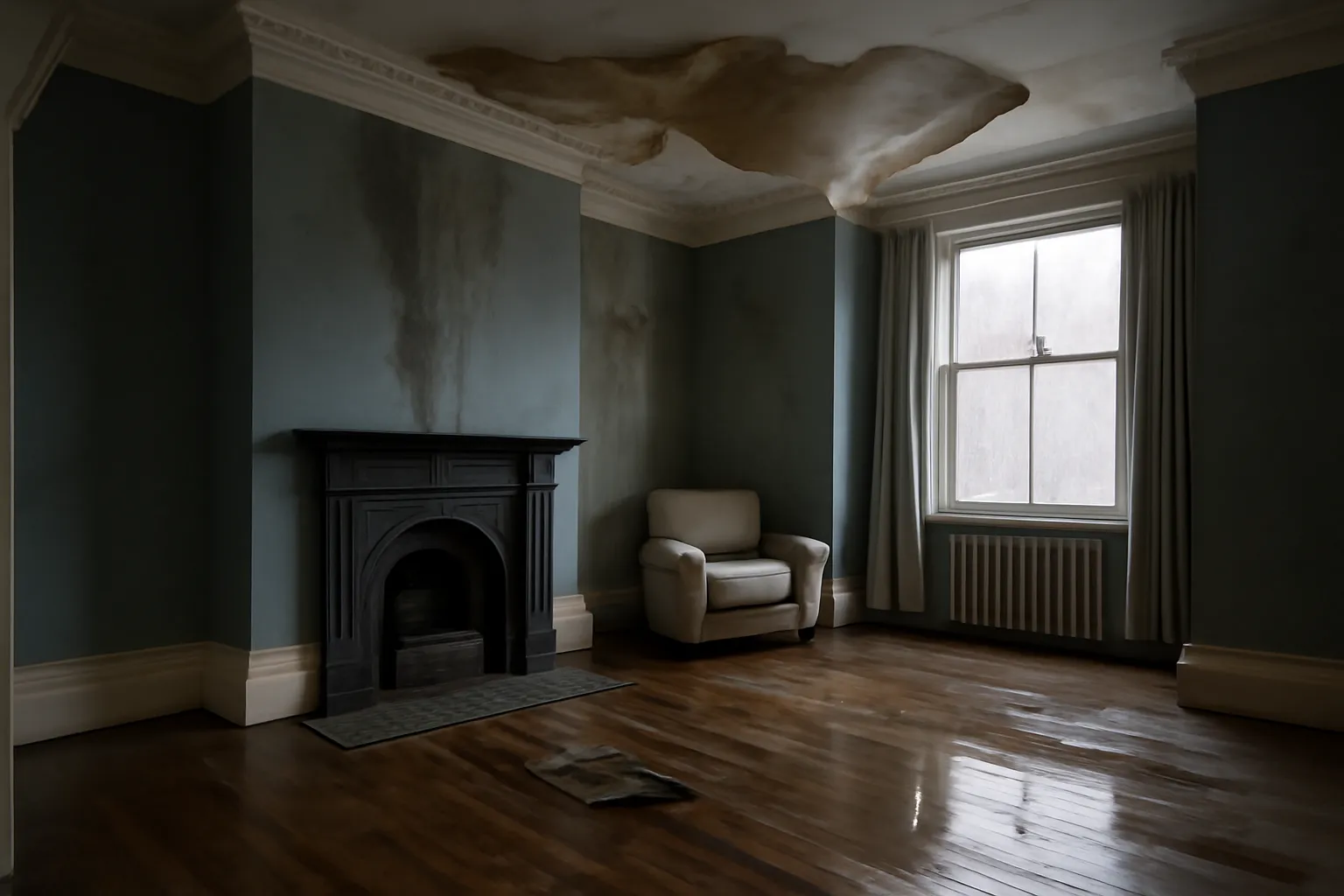
You’ve Got Enough to Deal With
A burst pipe, a flooded kitchen, a ceiling that has come down overnight. The last thing you need while water is still dripping is to work out what your insurer is going to ask you for.
So here it is, in advance. This is a plain guide to the evidence and paperwork behind a water damage claim, so that nothing catches you out. Your claim is yours: you talk to your insurer, and you make the decisions. What follows is simply what tends to be asked for.
Deal With the Water First
Paperwork can wait a few minutes. An active leak cannot.
- Turn off the water at the stopcock, usually under the kitchen sink or where the supply enters the property
- Turn off electricity in affected rooms at the consumer unit if water is near fittings or cables
- Move valuables and documents clear of the wet area if it is safe to do so
- Call a plumber. The sooner the leak stops, the less there is to claim for
Everything below is for once the water has stopped.
What Your Insurer Will Typically Want
Most home policies cover escape of water. When you notify a claim, insurers usually ask for some combination of:
- Photographs of the damage taken before anything is cleaned up or stripped out. Wide shots of the room, then close-ups of the affected floors, ceilings, walls and contents
- The cause of the leak, and roughly when it started and when it was discovered
- Photographs of the failed part itself, the split pipe, the perished joint, the leaking appliance
- The damaged items themselves. Do not throw them away until your insurer says you can
- Receipts or evidence of value for damaged contents, where you have them
- An invoice or written record of any emergency repair work carried out to stop the damage getting worse
Keep the damaged parts. It is the single most common thing people bin before anyone has seen it.
Photograph More Than You Think You Need
Photographs cost nothing and cannot be taken retrospectively. Once a ceiling is down or a floor is lifted, the evidence of what it looked like is gone.
Take pictures before you mop, before you strip out, and before any repair begins. Include something for scale in close-ups. Photograph the meter or the stopcock if the leak relates to either. If water has spread between rooms or floors, photograph the path it took.
What a Loss Adjuster Is, and What They Do
If the claim is a large one, your insurer may appoint a loss adjuster. They work for the insurer. Their job is to establish what happened, what the policy covers and what the repair should reasonably cost.
The visit can feel formal, but it is a technical conversation, not an interrogation. They will want to understand the cause, see the damage, and understand what work has already been done. If a plumber has attended, the written record of what was found and what was repaired is usually what the adjuster wants to see.
A loss assessor is a different thing entirely: they work for the policyholder rather than the insurer, and they are regulated. Some people appoint one for large or complex claims. They typically charge a percentage of the settlement. Whether that is worthwhile is a decision for you, and one worth weighing against the size of the claim.
Paperwork Worth Having to Hand
Before you ring your insurer, it saves time to have:
- Your insurer’s name and policy number
- Any claim reference already issued
- A short, factual description of what happened and when
- The date the damage was discovered, which is not always the date it started
- Contact details for any tradesperson who has attended
Where a Plumber Fits In
A plumber’s job in all this is narrow and useful: stop the leak, repair the fault, and give you an accurate written record of what was found and what was done. Moisture readings, the cause of the failure, the scope of the repair, photographs taken on the day.
That record is yours. You pass it to your insurer if and when you choose to.
We are plumbers, not loss adjusters, claims handlers or advisers. We do not run claims, negotiate settlements or speak to insurers on anyone’s behalf. If you want someone to act for you on the claim itself, that is a job for your insurer’s own process or for an FCA-authorised loss assessor.
Why This Matters for TW Area Homes
Properties across the TW postcodes vary enormously, from Victorian terraces in Twickenham and Richmond to newer builds in Feltham and Staines. Pipework runs differently, fails differently, and hides differently in each.
The practical consequence is that the cause of a leak is often not where the water appears. An accurate record of what was actually found, written by whoever opened up the floor, is worth more than a guess made later.
If You Have a Leak Right Now
Call 07360 268948. We answer 24 hours a day, seven days a week, across the TW area.
We will stop the water, fix the fault, and give you a clear written account of what we found and what we did. What you do with it is entirely up to you.