Emergencies
Toilet Won't Stop Running (UK): Diagnose the Fill Valve or Flapper
UK guide to diagnosing a constantly running toilet — fill valves, Torbeck floats, dual-flush siphons and flappers explained in plain English.
Published 4 August 2026
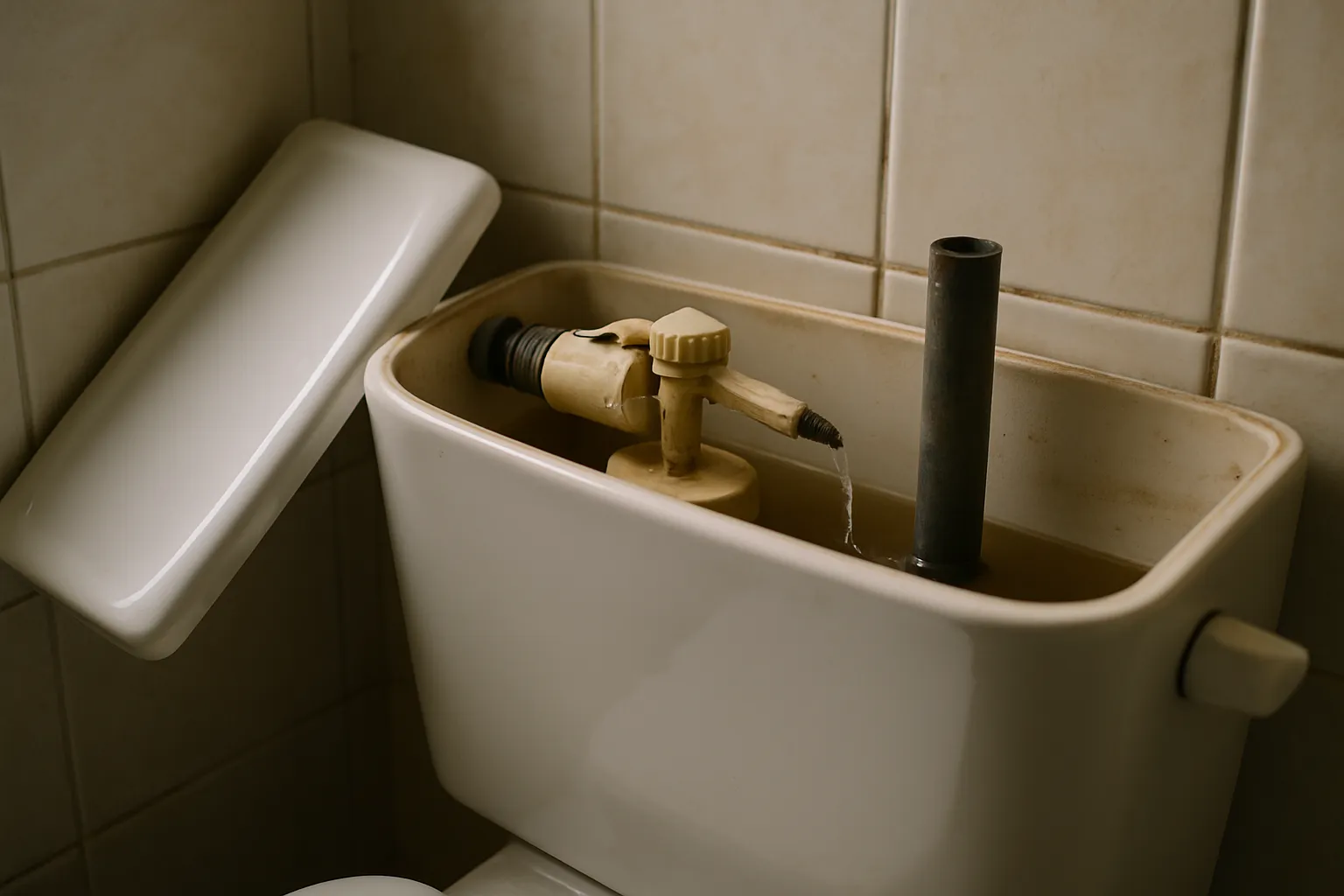
A toilet that runs continuously is more than an irritating background hiss. Left unattended, it can waste several hundred litres of water a day and push your water bill noticeably higher. The good news is that most running toilets have one of only a handful of causes, and once you know which part is at fault the fix is usually straightforward.
This guide uses UK-specific terminology — Torbeck valves, siphon-style cisterns, dual-flush buttons — because the components found in British toilets differ from those described in much of the American plumbing content online.
First: confirm what kind of cistern you have
Before you lift the lid, it helps to know what you are looking at.
- Siphon cistern — the traditional UK design. A rubber or plastic diaphragm inside a siphon assembly lifts water over a bend when you pull the lever or push the button. There is no flapper valve.
- Flapper cistern — more common in newer UK installations and almost universal in American toilets. A rubber flap sits over the outlet and lifts when you flush.
- Dual-flush cistern — uses either a siphon or a drop-valve (sometimes called a flush valve). The two-button system selects a full or half flush.
Identifying which you have takes about ten seconds: lift the lid and look at the centre of the cistern floor. A siphon looks like a tall plastic column with a lever arm. A flapper or drop-valve sits flat over a circular opening.
The two main culprits
1. The fill valve (inlet valve)
The fill valve controls water flowing into the cistern after a flush. If it fails to shut off completely, water keeps trickling in — and if the water level creeps above the overflow pipe, it drains silently into the pan.
In UK cisterns the most common fill valve is the Torbeck (also sold under similar names). It is a compact side-entry or bottom-entry valve with a small float arm and a diaphragm inside the valve body. Over time the diaphragm washer splits or the float arm loses its adjustment.
How to check the fill valve:
- Lift the cistern lid and listen. If the hiss is coming from the inlet side (usually the left or bottom), the fill valve is the likely cause.
- Press down gently on the float arm or float cup. If the noise stops, the float is set too high and water is reaching the overflow.
- Check the overflow pipe (the small pipe at the back of the cistern or leading outside). If water is trickling out of it, the fill valve is not shutting off at the correct level.
Fixes: Adjust the float arm downward (there is often a small adjuster screw on a Torbeck). If adjustment does not help, the diaphragm washer inside the valve body may need replacing — replacement washers are inexpensive and widely available. If the valve body is cracked or very old, replacing the whole Torbeck valve is the most reliable solution.
2. The flapper, drop-valve seal, or siphon diaphragm
This is the component that controls water flowing out of the cistern into the pan. If it does not seat properly, water leaks slowly and continuously into the bowl.
Signs of a faulty outlet seal:
- You can hear a faint trickle into the pan even when nobody has flushed.
- If you add a few drops of food colouring to the cistern and wait ten minutes without flushing, colour appearing in the bowl confirms a leak past the outlet seal.
By cistern type:
| Cistern type | Component to check | Common fault |
|---|---|---|
| Traditional siphon | Siphon diaphragm (a flat rubber disc) | Splits or perishes |
| Flapper | Rubber flapper | Warps, hardens, or debris sits under it |
| Dual-flush drop-valve | Rubber seal around the drop-valve | Perishes or the valve sticks open |
Siphon diaphragms are cheap and can be replaced without turning off the water supply if you work quickly. Flappers simply unclip and clip back on. Drop-valve seals vary by brand — check the manufacturer’s name moulded into the plastic and source a matching seal.
When to call a plumber
Attempt a DIY repair if you are comfortable working inside a cistern and can isolate the water supply at the isolation valve (usually a slotted screw on the pipe below or behind the toilet). Stop and call us if:
- You cannot locate or turn the isolation valve.
- The cistern is cracking, corroded, or the flush mechanism is integrated into the wall (concealed cistern).
- Water is escaping from around the base of the toilet or from connections you cannot reach.
- The problem returns within a day or two of your repair.
A running toilet is not usually an emergency in the same way a burst pipe is, but if water is actively overflowing onto the floor or you cannot isolate the supply, treat it as urgent.
A quick checklist before you call
- Cistern lid removed and type identified (siphon / flapper / dual-flush)
- Isolation valve located
- Float arm position checked
- Overflow pipe inspected for trickle
- Food-colouring test done to confirm outlet leak
If you have worked through this guide and the toilet is still running — or if you would simply prefer a plumber to sort it quickly and correctly — our team covers the TW postcode area around the clock. Call us any time on 07360 268948 and we will get someone to you as soon as possible.