Emergencies
Living on the Thames Flood Plain: Plumbing & Water-Ingress Risks in TW
Practical guide for riverside TW homes on flood risk, backflow valves, sump pumps, drainage and what to do when the Thames rises.
Published 14 July 2026
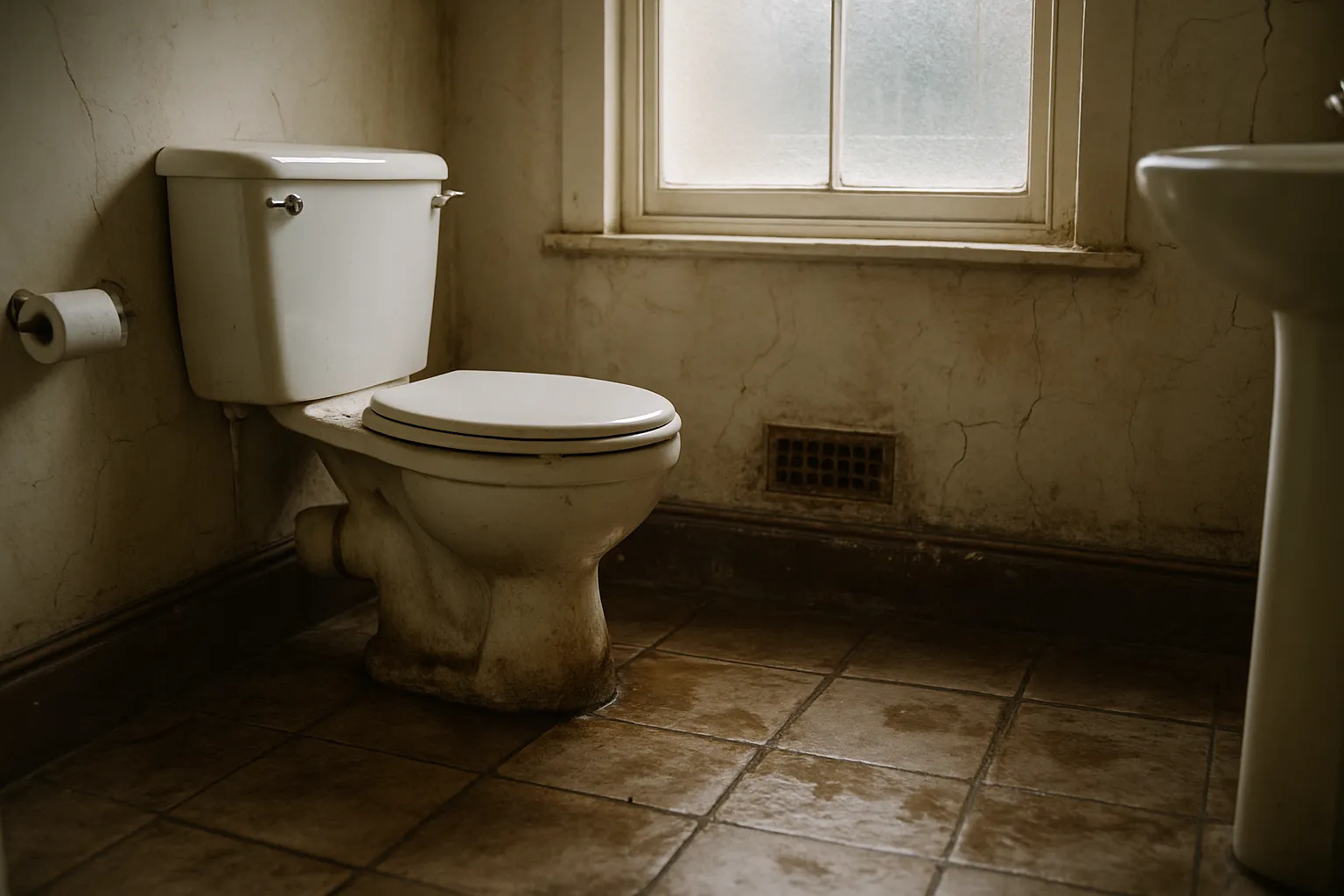
Living on the Thames Flood Plain: What Riverside TW Homeowners Need to Know
The Thames is one of the great things about living in Twickenham, Richmond, East Molesey or Barnes — and it is also one of the genuine risks. Tidal surges, prolonged rainfall upstream, and the sheer volume of water the river carries in winter mean that thousands of homes in the TW, SW14 and KT8 postcode areas sit on active flood plain. Understanding your plumbing and drainage vulnerabilities before the water rises is far more useful than dealing with a crisis at midnight.
Why Riverside Homes Flood the Way They Do
Surface flooding from the Thames itself gets the headlines, but most of the damage inside a home comes from less obvious routes:
- Surcharging drains. When the sewer network is overwhelmed, water has nowhere to go and backs up through the lowest point in your property — usually a ground-floor toilet, bath or floor drain.
- Groundwater ingress. The water table rises alongside the river. Water can push through cracked foundations, air bricks and poorly sealed service entry points without a drop of Thames water ever reaching your front door.
- Surface run-off. Impermeable paving, blocked gullies and overwhelmed gutters combine to send water toward the lowest point of your plot — often a basement or lower-ground floor.
Areas particularly affected include Twickenham Riverside, Marble Hill, St Margarets, Richmond town centre, Petersham, East Twickenham, and parts of Hampton and East Molesey close to the Mole confluence.
Backflow Prevention: Your First Line of Defence
A non-return valve (also called a backflow valve or check valve) fitted to your soil pipe or drainage connection is one of the most cost-effective flood-resilience measures available. When drain water tries to push back up the pipe, the valve closes automatically.
Key points to know:
- Non-return valves need to be the right size and type for your drainage configuration — a plumber should assess whether your layout suits a flap-type or duckbill valve.
- They require periodic inspection. A valve clogged with debris will not close properly.
- They do not protect against groundwater rising through the structure itself — that is a separate, building-fabric issue.
If you are not sure whether your property has one, it is worth finding out before next winter.
Sump Pumps: Managing Water That Gets In
Even with good prevention, some riverside properties accept that a small amount of water ingress is inevitable in extreme events. A sump pump — installed in a pit at the lowest point of a basement or undercroft — collects that water and pumps it out before it can spread.
Things to consider:
- Mains-powered vs battery backup. Flood events often coincide with power cuts. A battery backup or dual-power pump is worth the extra cost for properties that flood regularly.
- Discharge point. The pump needs somewhere legal and appropriate to send the water — not back into an already-overwhelmed sewer if avoidable.
- Maintenance. Test your pump before the autumn. Run it briefly, check the float switch moves freely, and clear any silt from the sump pit.
Keeping Drains Clear: Year-Round Maintenance
Blocked drains and flood risk are closely linked. A gully blocked with leaves in October becomes a serious problem when November rain arrives.
Simple steps that make a real difference:
- Clear all external gullies and yard drains before autumn.
- Check gutters and downpipes are free-flowing and discharging away from the building.
- Know where your external rodding access points are — if a drain does block during a flood event, a plumber needs to reach it quickly.
- If you have a shared drain with neighbours (common in Victorian terraces throughout St Margarets and Richmond), agree a regular maintenance schedule.
If you notice slow drainage, gurgling from toilets, or foul smells from floor grates in wet weather, treat it as an early warning sign and get the drain inspected. A CCTV drain survey can show whether roots, silt or structural damage are reducing capacity before a flood makes it critical.
What to Do When the Water Rises
If flooding is imminent or has begun:
- Turn off electricity at the consumer unit if water is approaching electrical fittings — do not touch switches if you are standing in water.
- Close the stopcock to your mains supply. This prevents contaminated floodwater from being drawn into the supply if pressure drops.
- Do not use toilets or sinks if drains are surcharging — waste has nowhere to go and you will make the situation worse.
- Photograph everything — the water level, its source, any visible damage, meter readings, and the state of drains and fittings. Your insurer will ask for this evidence, and the more detailed your record, the better placed you are when you come to make a claim.
- Call a plumber if there is active ingress through a pipe, drain or fitting that can be isolated or stemmed.
Once the water recedes, a plumber can check that drain connections are intact, that no pipes have been displaced, and that any non-return valves are still functioning correctly.
Insurance: What to Have Ready
Home insurance for flood-prone properties is a separate and sometimes complicated subject. What we can say is this: if you do make a claim, insurers typically want to see a clear cause of loss, photographs taken at the time, any relevant drainage or survey reports, and a written scope of the repair work carried out.
When we attend a flood-related call-out, we provide you with a written record of what we found, what we did, and why — including photographs where relevant. That record is yours to use as you see fit.
For general information on flood insurance and the Flood Re scheme (which helps make cover more affordable for high-risk properties), the Environment Agency and the Association of British Insurers both publish straightforward consumer guidance.
We Are Here When You Need Us
If you are dealing with an active flood-related plumbing emergency — a surcharging drain, a burst pipe following flood damage, or water ingress through a fitting — call us on 07360 268948. We cover Twickenham, Richmond, Isleworth, Hounslow, Feltham, Staines and the surrounding TW postcode area, 24 hours a day.
The Thames has always flooded. Knowing your property’s vulnerabilities, and having the right measures in place, makes all the difference.
If the water is coming up through the drains rather than down from a pipe, our sister drainage firm Drainiacs have a guide to winter drain blockages along the Thames.