Emergencies
Soil Pipe and Waste Smells: What's Normal and What's Not
Sewer smells indoors or out? Learn what causes soil pipe and waste pipe odours, when to worry, and what to do about it.
Published 1 July 2026
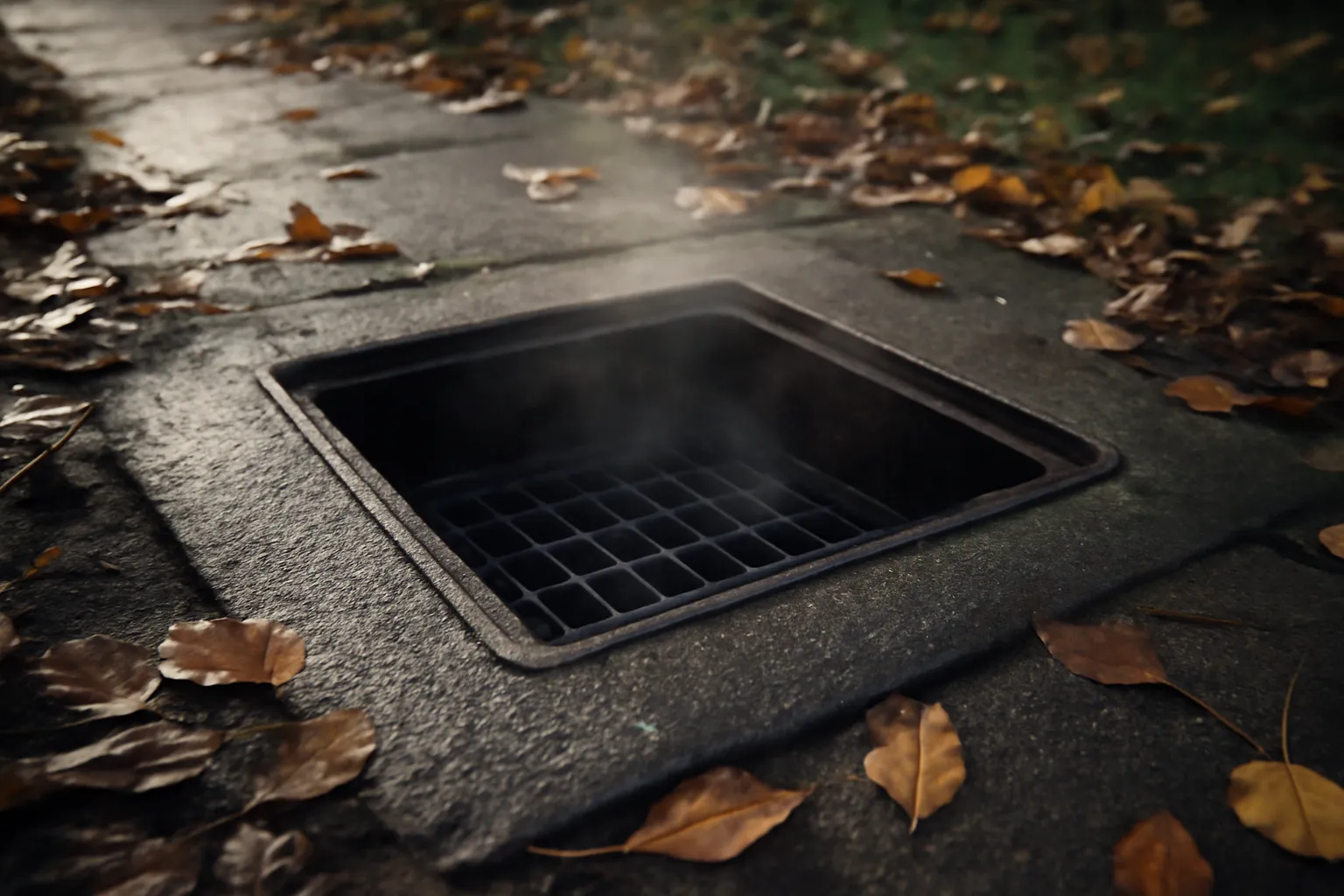
A faint whiff near an outside drain on a warm day is one thing. A persistent sewer smell inside your home is quite another. Understanding the difference — and knowing what is causing it — can save you from a nasty surprise later on.
How Your Drainage System Is Supposed to Work
Every home has two connected systems running beneath and behind the walls:
- Waste pipes carry grey water from sinks, baths, showers and washing machines.
- Soil pipes carry black water (sewage) from toilets to the sewer.
Both systems rely on water seals (the U-shaped traps under every fixture) and ventilation to function without smell. The soil vent pipe — that tall plastic or cast-iron pipe rising above your roofline — lets sewer gases escape safely into the open air rather than back into the house.
When everything is working correctly, you should smell almost nothing indoors. A very faint outdoor drainage smell during hot weather or after heavy rain is generally harmless.
Common Causes of Drainage Smells
1. Dry or Damaged Traps
The water sitting in a U-bend is your first line of defence against sewer gas. If a basin, bath or shower has not been used for a few weeks, that water can evaporate — leaving nothing to block the smell. Running the tap for thirty seconds usually fixes it immediately.
A cracked or poorly fitted trap will not hold water and needs replacing.
2. Blocked or Partially Blocked Drains
A slow drain that gurgles, or one that drains but leaves a film of debris, can harbour bacteria and produce a sulphurous smell. This is one of the earliest warning signs of a blockage developing. Do not ignore it — a partial blockage can become a full one quickly, especially in older TW-area properties with narrower clay pipes.
3. Blocked or Obstructed Soil Vent Pipe
If the top of your soil vent pipe becomes blocked — by a bird’s nest, leaf debris or a broken cowl — gases that should escape upward are pushed back down into the system and can find their way inside. You may notice the smell is worse when the wind blows from a particular direction, or when you flush a toilet.
4. Leaking Soil Pipe Joints
Soil pipes run behind walls and under floors. Over time, rubber seals at the joints can harden and crack, allowing small amounts of sewer gas to seep out. The smell tends to be intermittent and difficult to trace. You might notice it more strongly in an upstairs cupboard or utility room.
5. Negative Air Pressure (Siphoning)
If a waste pipe is not vented correctly, flushing a toilet or draining a bath can create a brief negative pressure that sucks the water out of nearby traps. You will often hear a gurgling sound from a basin or bath just after a toilet is flushed — a reliable sign that trap siphoning is happening.
What’s Normal vs What Needs Attention
| Situation | Likely Cause | Action |
|---|---|---|
| Faint smell outside near inspection cover on a hot day | Normal sewer ventilation | None needed |
| Smell from a rarely used basin or bath | Dry trap | Run the tap for 30 seconds |
| Persistent smell inside one room | Dry trap, leaking joint or partial blockage | Investigate — call a plumber if it persists |
| Gurgling sounds after flushing | Trap siphoning or venting issue | Have the vent pipe and pipework checked |
| Strong smell throughout the house | Blocked vent pipe, major blockage or pipe failure | Call a plumber promptly |
| Smell accompanied by slow drains | Partial or developing blockage | Act quickly before it worsens |
Simple Checks You Can Do Yourself
- Run all unused taps and showers — if the smell disappears within a few minutes, a dry trap was the culprit.
- Check outside gullies — remove the grid and clear any leaf debris or grease build-up.
- Look at the soil vent pipe from ground level — a visible crack, missing cowl or obvious blockage at the top warrants a closer look.
- Pour a small amount of water into floor drains — these are often overlooked and their traps dry out easily.
When to Call a Plumber
If the smell returns after you have topped up traps, or if you cannot identify a clear cause, it is time to get a professional opinion. Persistent sewer smells can indicate:
- A developing drain blockage that needs clearing
- A cracked or displaced soil pipe joint
- A venting problem requiring pipework adjustment
- Root ingress into older clay drains (common in parts of Twickenham, Teddington and Richmond)
These are not problems that improve on their own. The last two are pipe defects rather than blockages, and the modern fix is usually no-dig drain repair and relining — the pipe is repaired from the inside, without digging up the garden.
If you are dealing with a persistent drainage smell, slow drains or gurgling pipes anywhere in the TW postcode area, we are available around the clock. Call 07700 137648 and we will talk you through what is happening and get someone to you when you need it.