Emergencies
Blocked Drains in a Rental: Landlord or Tenant — Who Pays?
Blocked drain in a rented home? Find out whether the landlord or tenant is responsible, what Section 11 says, and how to get it fixed fast.
Published 20 July 2026
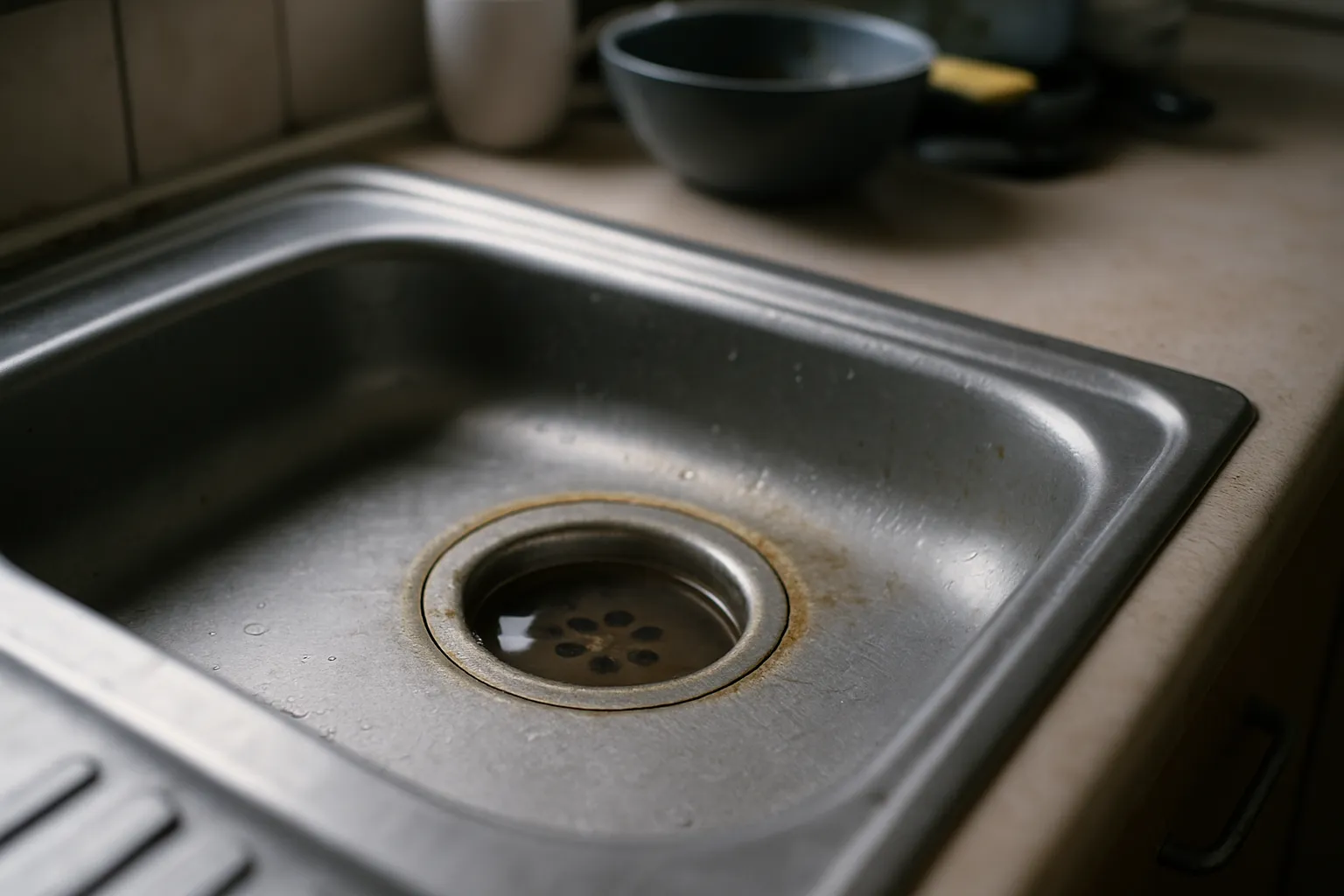
A blocked drain is one of the most common — and most argued-over — maintenance issues in rented homes. Water is backing up, tempers are rising, and neither the landlord nor the tenant is sure who should pick up the phone (or the bill). Here is a straightforward breakdown of where the law stands and what both parties should do next.
The Short Answer
It depends on why the drain is blocked.
- Tenant misuse → the tenant is generally responsible for the cost.
- Structural defect, tree roots, or normal wear and tear → the landlord is almost always responsible under statute.
Most disputes come down to proving which category applies.
What Section 11 of the Landlord and Tenant Act 1985 Says
Section 11 places a legal duty on landlords to keep in repair and proper working order the drains, gutters, and external pipes of a residential property. This duty cannot be contracted out of, regardless of what a tenancy agreement says.
In practice, this means:
- A collapsed underground drain, a root-infiltrated soil pipe, or a degraded shared stack — landlord’s responsibility.
- A sink that drains slowly because someone has poured cooking fat down it repeatedly — tenant’s responsibility.
- A toilet blocked by wet wipes or nappies — tenant’s responsibility.
The tenancy agreement may add further obligations on top of Section 11, but it cannot reduce the landlord’s statutory minimum duty.
The Key Distinction: Misuse vs Wear and Tear
What counts as tenant misuse?
- Pouring grease, oil, or food waste down kitchen drains
- Flushing wet wipes, cotton pads, nappies, or sanitary products
- Allowing hair and soap scum to build up in shower traps without clearing them
- Blocking an outside drain with garden waste
If a drainage engineer clears the blockage and finds the cause is clearly one of the above, the tenant will usually be liable for the call-out cost. Keep the engineer’s written report — it is the key piece of evidence.
What counts as wear and tear or structural failure?
- Root ingress into clay or old earthenware pipes
- Pipe collapse or displacement caused by ground movement or age
- Shared or communal drains serving multiple flats
- A blockage located in the external section of the drain beyond the property boundary
These are maintenance and infrastructure issues that no amount of careful behaviour by a tenant could prevent.
How Tenants Should Report a Blocked Drain
Reporting correctly protects you if there is a later dispute over costs or damage.
- Report in writing — a text or email to the landlord or letting agent creates a time-stamped record.
- Describe the symptoms clearly — which fixture is affected, when it started, and whether any water has overflowed.
- Do not use the affected fixture if there is a risk of flooding or sewage backing up.
- Keep a copy of everything you send.
If the landlord fails to act within a reasonable time and the blockage is causing a health risk or damage to the property, tenants have further options including contacting the local council’s environmental health team.
What Landlords Should Do
- Respond promptly. A blocked drain that causes water damage can escalate into a far more expensive repair.
- Instruct a qualified drainage engineer to attend, diagnose the cause, and produce a written report with photographs.
- Keep that report. If the cause turns out to be misuse, you will need evidence before seeking to recover costs from the tenant.
- Check whether the blockage is in a shared or communal drain — in that case, the freeholder or managing agent may be responsible rather than you as the individual landlord.
What About Letting Agents?
If a property is managed by a letting agent, tenants should report to the agent in the first instance. The agent has a duty to pass urgent repairs to the landlord without undue delay. If they do not, keep a record of your attempts to contact them.
Getting the Drain Cleared Quickly
Regardless of who ultimately pays, the practical priority is stopping the blockage from getting worse. Standing water and sewage backup can damage flooring, subfloor timbers, and plasterwork. The longer it sits, the more expensive the secondary damage becomes.
If you are a tenant in an emergency and cannot reach your landlord, you may need to arrange clearance yourself and seek reimbursement — keep every receipt and every piece of written communication if you do.
We Cover Hounslow and the Wider TW Area
Our engineers attend blocked drain calls across Hounslow, Isleworth, Feltham, Twickenham, Richmond, and the surrounding TW postcodes — day and night. We provide a written report of the cause and scope of work, which both landlords and tenants can use for their own records.
If you have a blocked drain that needs clearing now, call us on 07360 268948. We are available 24 hours a day, seven days a week.
Our sister drainage firm Drainiacs give the engineer’s view in blocked drain in a rented house: tenant or landlord.