Maintenance
Drain Maintenance for Restaurants and Cafés: What a Grease Trap Contract Costs
EHO expectations, grease trap servicing intervals, and why a planned jetting contract beats a 2am blocked drain mid-service. Practical guide for TW hospitality.
Published 20 July 2026
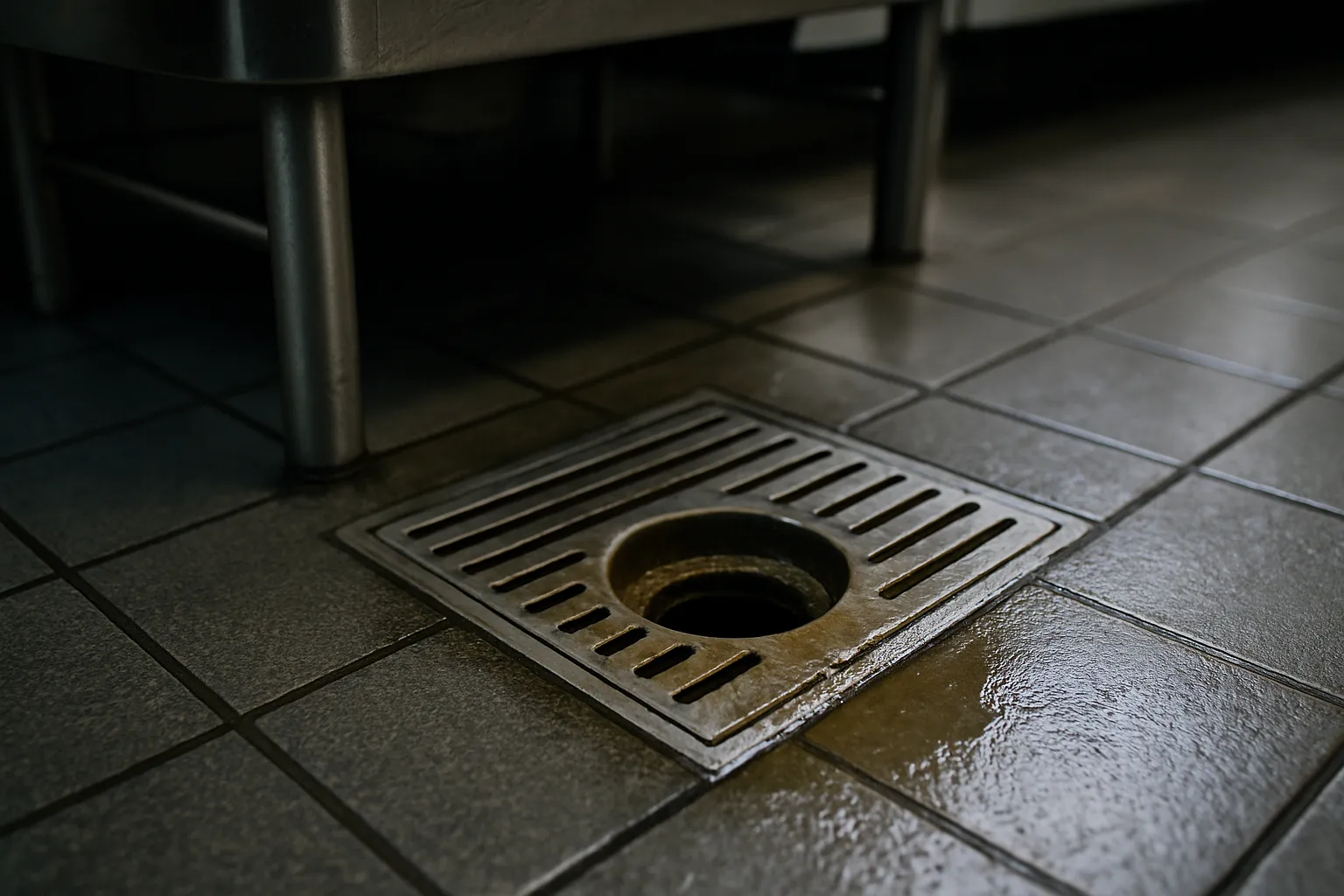
Why Drains Are a Compliance Issue, Not Just a Plumbing Issue
If you run a restaurant, café, or takeaway in the TW postcode area, your drainage system sits squarely in the crosshairs of an Environmental Health Officer (EHO) inspection. A backed-up kitchen drain or an overflowing grease trap is not just an inconvenience — it can trigger a hygiene notice, a temporary closure, or a failed Food Standards Agency rating.
The good news is that most drain-related compliance failures are entirely preventable with a straightforward maintenance contract.
What EHOs Actually Look For
When an EHO visits your premises, drainage is assessed as part of the wider food hygiene inspection. They are looking for:
- No standing water or sewage odours in food preparation areas
- A functioning grease trap or interceptor that is regularly emptied and in good condition
- Evidence of a cleaning and maintenance schedule — a written log carries real weight
- Drains that flow freely under normal trading conditions
You do not need to produce a contract, but being able to show a service record from a plumber or drainage company demonstrates due diligence. It is the kind of evidence that can turn a marginal inspection into a pass.
Grease Traps: How Often Do They Need Servicing?
Grease traps accumulate fats, oils, and grease (FOG) from dishwashers, fryers, and prep sinks. Left unchecked, FOG solidifies in your pipework and in the wider sewer network — Thames Water can issue a FOG notice and a remediation bill if your premises are identified as a contributing source.
A rough guide to servicing intervals:
| Premises type | Recommended interval |
|---|---|
| Small café (under 30 covers) | Every 3–4 months |
| Medium restaurant (30–80 covers) | Every 4–8 weeks |
| High-volume kitchen or takeaway | Every 2–4 weeks |
| Pub kitchen | Every 4–8 weeks |
These are starting points. Your plumber or drainage contractor should inspect the trap on the first visit and recommend a cycle based on actual accumulation rates.
Planned Jetting vs the 2am Emergency Call
Here is the real business case for a maintenance contract.
A high-pressure drain jetting session carried out during a quiet Tuesday morning costs a predictable, budgeted amount. A blocked drain discovered at 10pm on a Saturday — with a full house booked, a kitchen that cannot operate, and a chef threatening to walk — costs considerably more, in both call-out fees and lost revenue.
Planned contracts typically include:
- Scheduled jetting of kitchen drain runs and external inspection chambers
- Grease trap emptying at agreed intervals
- CCTV survey (usually annually) to catch root ingress, pipe movement, or build-up before it becomes a blockage
- Priority response if an emergency does occur between scheduled visits
The scheduling also means work happens at a time that suits you — before the lunch rush, on a Monday morning, or whenever your kitchen is closed.
What Does a Grease Trap Contract Actually Cost?
Pricing varies depending on trap size, access, the number of drain runs, and your location. As a general guide for commercial premises in the TW area:
- One-off grease trap emptying and clean: typically £150–£400 depending on trap capacity
- Annual maintenance contract (small café): often in the range of £600–£1,200 per year, covering four visits and priority response
- Larger or higher-volume sites: contracts are usually priced individually after a survey
These figures are indicative only. Any reputable contractor will survey your site before quoting, because no two commercial kitchens are the same.
Practical Steps You Can Take Right Now
Even before you have a contract in place, there are straightforward habits that reduce drain problems:
- Fit a grease trap if you do not already have one. Many older premises in the TW area were converted without one.
- Train staff not to pour cooking oil down the sink. Provide a sealed container for waste oil disposal instead.
- Use sink strainers on all prep and dishwash sinks and empty them every shift.
- Keep a maintenance log. Date, work done, who attended. Even a simple notebook counts.
- Know where your rodding eye is. In an emergency, being able to tell a plumber exactly where to access the drain run saves time.
When You Need Help Right Now
If your drains are blocked mid-service and you cannot wait for a scheduled visit, call us on 07360 268948. We cover restaurants, cafés, pubs, and takeaways across Twickenham, Richmond, Teddington, Hounslow, Staines, and the surrounding area, around the clock.
We can also discuss a planned maintenance arrangement once the immediate problem is resolved — the best time to set one up is when you have just been reminded why it matters.
Our sister drainage firm Drainiacs hold the planned jetting contracts locally and explain why restaurant drains block on a Friday night.