Maintenance
How to Stop Drains Blocking: Habits That Save You Money
Simple, practical habits to prevent blocked drains at home — covering fats, wipes, hair and monthly maintenance tips for TW area households.
Published 30 June 2026
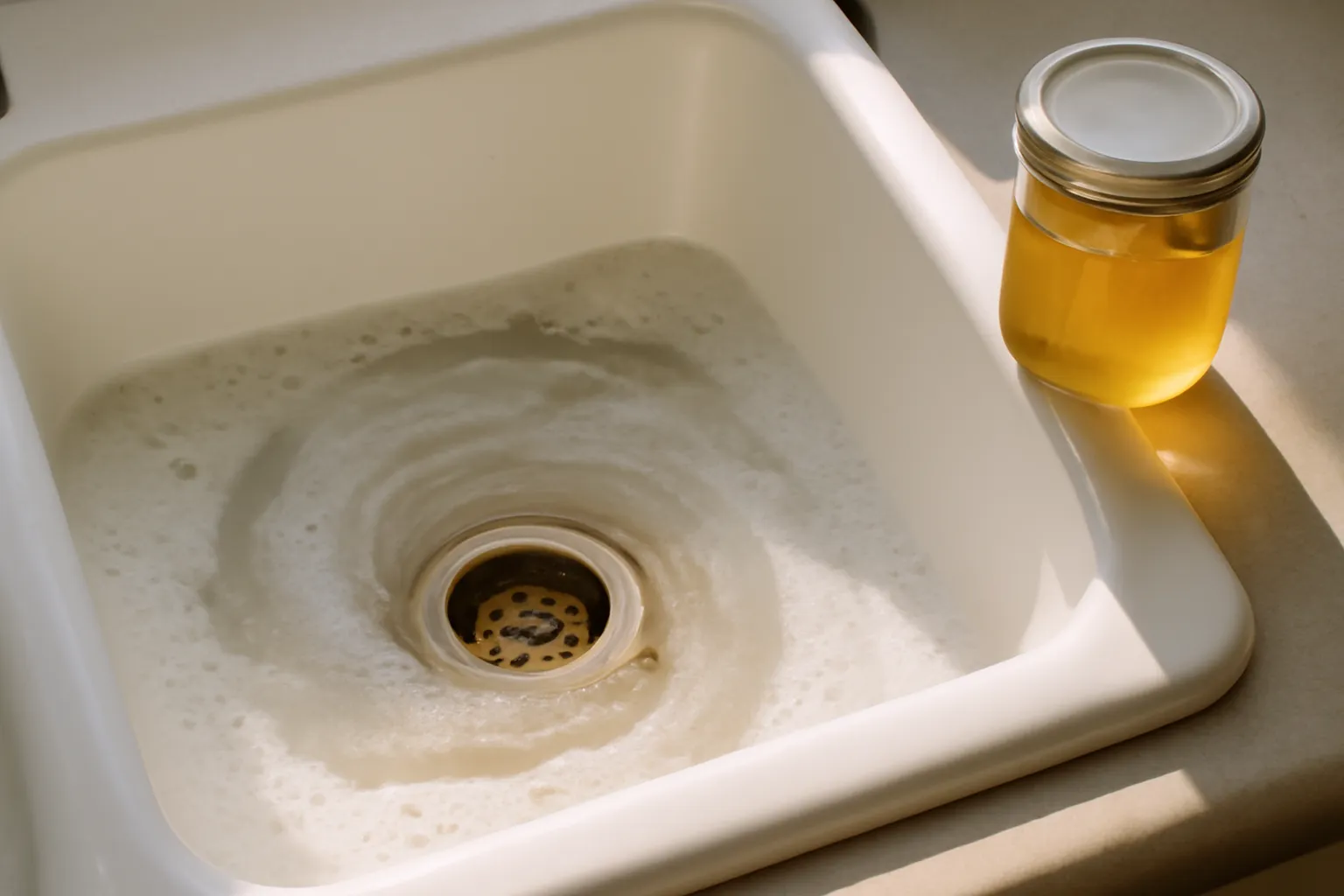
Blocked drains are one of the most common — and most avoidable — plumbing call-outs we attend across the TW area. The good news is that a few straightforward habits can keep your drains flowing freely and save you the cost and inconvenience of an emergency visit. Here is what actually works.
The Three Main Culprits
1. Fats, Oils and Grease (FOG)
This is the biggest cause of kitchen drain blockages, full stop. When hot fat is poured down the sink it flows freely — then cools, solidifies and coats the inside of your pipes. Over time, layers build up until water can barely pass.
What to do instead:
- Pour cooled cooking fat into an old tin or jar, seal it and put it in the general waste bin.
- Wipe greasy pans with kitchen roll before washing them up.
- Run hot water and a small amount of washing-up liquid down the sink after cooking — but do not rely on this alone if you have poured fat away.
2. Wet Wipes and “Flushable” Products
Despite what the packaging sometimes implies, wet wipes — including those labelled “flushable” — do not break down in water the way toilet paper does. They snag on the inside of pipes and catch everything else that passes, creating a blockage surprisingly quickly.
Never flush:
- Wet wipes of any kind
- Cotton wool pads and cotton buds
- Sanitary towels and tampons
- Nappies
- Dental floss
- Paper towels or tissues
The rule is simple: if it did not come out of your body or it is not toilet paper, it does not go down the toilet.
3. Hair in the Shower and Bath
Hair is the primary cause of bathroom drain blockages. A small amount per shower seems harmless, but it accumulates quickly — especially when it combines with soap scum and shampoo residue.
The fix is cheap and immediate:
- Fit a mesh drain cover or hair catcher over your shower and bath plughole. These cost a pound or two and catch the vast majority of hair before it enters the pipe.
- Clear the hair catcher after every shower — it takes five seconds.
- Check and clean the drain cover weekly if more than one person uses the shower.
Monthly Maintenance Habits Worth Keeping
You do not need chemicals or specialist equipment for basic drain maintenance. These habits take very little time and make a real difference.
Kitchen sink — monthly: Pour a kettle of boiling water slowly down the drain, followed by a tablespoon of bicarbonate of soda and a cup of white vinegar. Leave for ten minutes, then flush with more hot water. This helps shift early grease build-up before it becomes a blockage.
Bathroom drains — monthly: Remove the drain cover and use a drain snake or a straightened wire coat hanger to pull out any accumulated hair and soap residue. It is unpleasant, but far less unpleasant than a flooded bathroom.
Outdoor drains — seasonally: Leaves, soil and garden debris are common causes of external drain blockages, particularly in autumn. Check your gully drains every few months and clear any debris from the grate. If water is pooling on your patio or path after rain, that is an early warning sign.
What Never to Pour Down Any Drain
Some things are worth listing clearly, because they cause damage beyond a simple blockage:
| Substance | Why it causes problems |
|---|---|
| Cooking fat and oil | Solidifies and coats pipes |
| Paint (water-based or oil-based) | Clogs pipes and pollutes water systems |
| Plaster or cement | Sets solid inside the pipe |
| Medication | Contaminates water supply |
| Coffee grounds | Accumulate and block over time |
| Rice and pasta | Expand with water and clog easily |
| Flour | Forms a paste that sets in pipes |
When Prevention Has Not Been Enough
Even with good habits, blockages can still happen — particularly in older properties where pipes may already be partially furred up, or where tree roots have begun to intrude into underground drains. Where years of scale and grease have narrowed a pipe, good habits alone will not widen it again; a high-pressure drain jetting clean strips the build-up back to the pipe wall. If you notice water draining slowly, gurgling sounds from your plughole, or unpleasant smells rising from your drains, act sooner rather than later. A partial blockage dealt with early is almost always cheaper and easier to clear than a complete one.
If you are already dealing with a blocked or slow-draining sink, bath or toilet, we are available around the clock across Twickenham, Richmond, Hounslow, Staines and the wider TW postcode area.
Call us any time on 07700 137648 and we will get to you as quickly as we can.