Emergencies
Slab Leak Warning Signs Every Homeowner Should Know
Warm floors, rising water bills, unexplained cracks — learn the early signs of a slab leak and why acting fast protects your home.
Published 29 June 2026
What Is a Slab Leak?
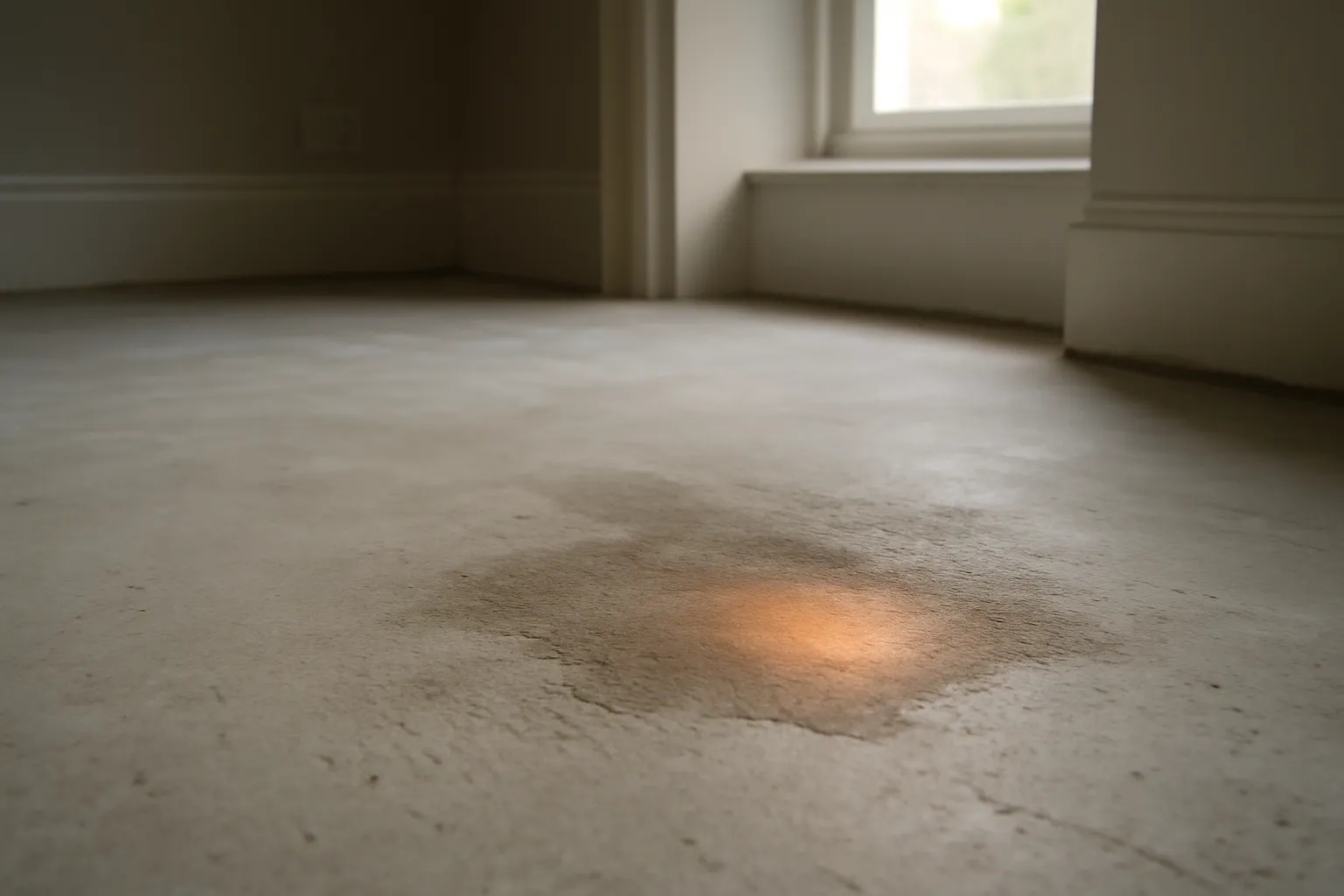
A slab leak occurs when a water supply or drainage pipe that runs beneath your concrete floor develops a crack or hole. Because the pipe is buried under the slab, the leak is hidden from view — sometimes for weeks or months — while water silently erodes the ground beneath your home and drives up your bills.
Older properties in the TW postcode area often have copper supply pipes that have been in place for decades. Age, ground movement, corrosion, and even slight shifts in the soil can all cause these pipes to fail. Catching the signs early can be the difference between a straightforward repair and a serious structural problem.
Six Warning Signs to Watch For
1. Warm or Hot Spots on Your Floor
If you walk across a tiled or solid floor and notice one area feels noticeably warmer than the rest, that is a classic sign of a hot-water pipe leaking beneath the slab. The warmth radiates upward through the concrete. It is easy to dismiss as a patch of sunlight — but if it is there every morning regardless of the weather, take it seriously.
2. The Sound of Running Water When Nothing Is On
Turn off every tap, appliance, and the washing machine. Stand quietly in different rooms. If you can hear a faint hissing, trickling, or rushing sound coming from the floor or walls, water is moving somewhere it should not be. This is one of the most reliable early indicators of a slab leak.
3. A Sudden or Unexplained Rise in Your Water Bill
A leak under the slab can waste hundreds of litres of water a day without a single visible drip. If your bill has jumped without any change in your household’s water use, check your meter. Note the reading, avoid using any water for an hour, then check again. If the dial has moved, you have a leak somewhere in the system.
4. Damp Patches, Wet Carpets, or Bubbling Flooring
Water will eventually find its way to the surface. You might notice:
- Carpet that feels wet or smells musty in one area
- Laminate or wood flooring that has started to warp or bubble
- Damp patches appearing on a solid floor for no obvious reason
These signs mean the leak has been running long enough for water to saturate the ground beneath and begin rising upward.
5. Cracks in Walls or Flooring
As water erodes the soil or hardcore beneath the slab, the foundation can shift slightly. This puts stress on the structure above it. Keep an eye out for:
- New cracks appearing in skirting boards or internal walls
- Tiles cracking along grout lines for no apparent reason
- Doors or windows that suddenly stick or no longer close cleanly
On their own, these could have other causes — but combined with any of the signs above, they warrant urgent investigation.
6. Reduced Water Pressure
If your shower or taps have lost pressure and there is no known issue with the mains supply in your area, a significant leak elsewhere in the system may be diverting water away before it reaches your fixtures.
Why You Should Not Wait
Slab leaks do not resolve on their own. Left unattended, they can:
- Undermine the structural integrity of your floor and foundations
- Cause extensive damp and mould growth inside the property
- Lead to far more disruptive and costly excavation work later
The sooner a leak is located and traced, the less damage it causes — and the simpler the repair tends to be.
What Happens When a Plumber Investigates
A qualified plumber will typically use acoustic listening equipment or thermal imaging to pinpoint where the leak is without unnecessary digging. Once located, the options usually include:
- Pipe relining — a trenchless repair that lines the inside of the existing pipe
- Spot repair — exposing and fixing only the damaged section
- Re-routing — running a new pipe through the wall or ceiling to bypass the buried section entirely
The right approach depends on the pipe material, the severity of the leak, and the layout of your property.
Check Your Stop Valve Location Now
Before any leak emergency, it is worth knowing exactly where your internal stop valve is. In most homes it sits under the kitchen sink or in a utility cupboard. Turning it off immediately can limit the damage while you wait for a plumber to arrive.
Call Us If You Are Concerned
If you have noticed any of the signs above — particularly warm spots on the floor, unexplained sounds of running water, or a spike in your water bill — do not put it off. A slab leak that is caught early is a manageable repair. One that has been running for months rarely is.
Emergency Plumbers TW are available 24 hours a day, seven days a week across the TW postcode area, including Richmond, Twickenham, Teddington, Hounslow, Staines, and surrounding areas.
Call us any time on 07360 268948.