Emergencies
Leak Detection in Kew: What Local Homes Need That Google Won't Tell You
River-adjacent damp, Victorian pipework, hidden slab leaks — a practical leak detection guide for Kew homeowners. Call 07360 268948 any time.
Published 25 July 2026
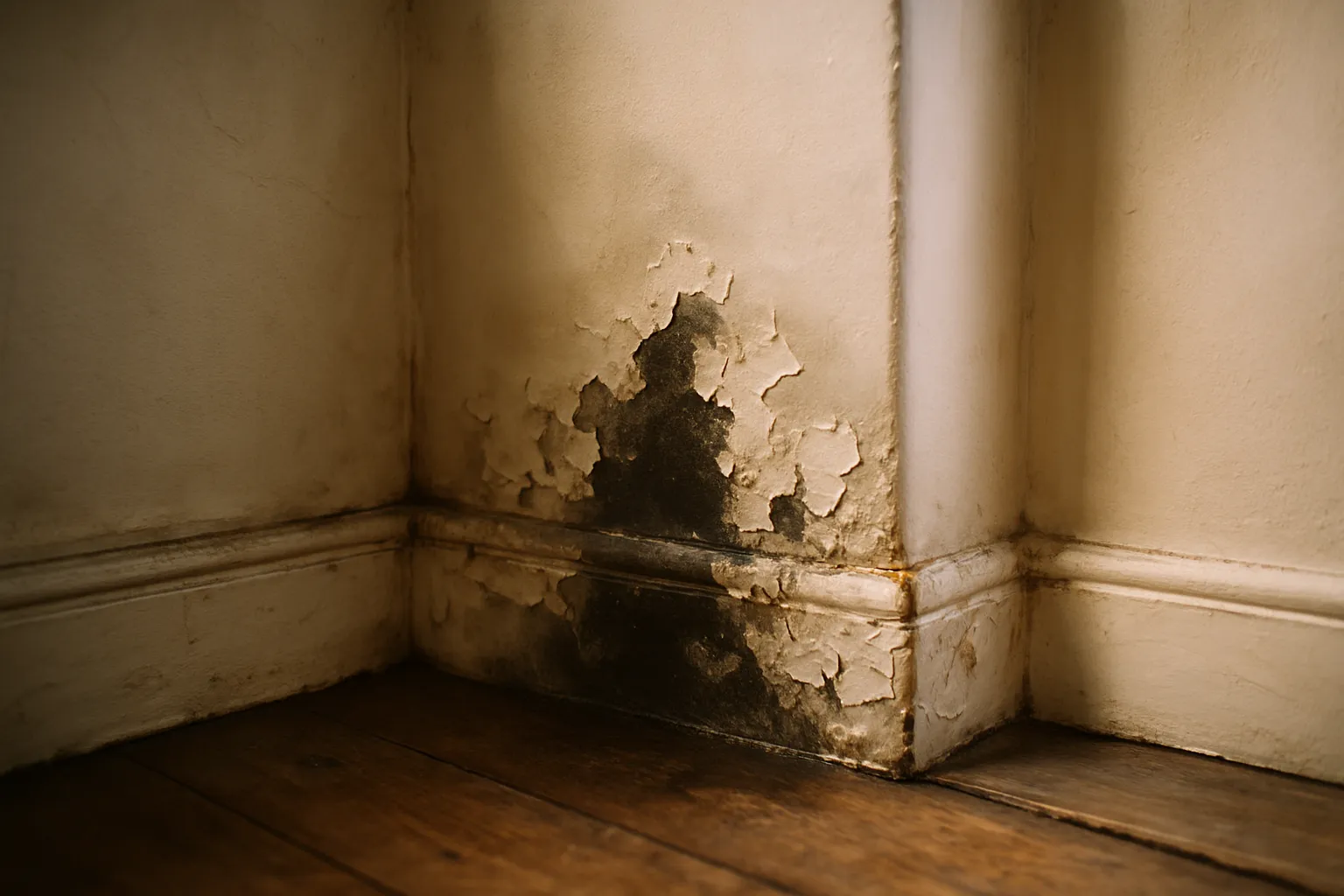
Kew is one of the most attractive places to live in the TW postcode area — but its combination of Thames proximity, Victorian housing stock, and a surprising number of post-war slab-built properties creates a leak-detection challenge that generic advice simply does not address. If you are watching your water meter spin, noticing a damp patch that will not dry out, or smelling something musty behind a wall, this guide is for you.
Why Kew Is Different From Most of the TW Area
River Proximity and Ground Moisture
Properties close to the Thames — particularly those near Kew Green, Strand-on-the-Green, and the riverside streets off Kew Road — sit on ground that stays naturally damp. This matters because:
- External moisture can mask an internal leak, making the source harder to pin down
- Hydrostatic pressure from saturated ground can push water through hairline cracks in basement walls or floor slabs
- Seasonal Thames levels affect how quickly water disperses once a leak starts
If you notice damp appearing or worsening after heavy rain or a high-river period, do not assume it is purely a groundwater issue. A supply pipe running beneath the floor can behave in exactly the same way.
Victorian and Edwardian Pipework
A large proportion of Kew’s housing was built between 1880 and 1914. Original lead or iron supply pipes are still present in some of these homes, often buried beneath floorboards, inside original plaster walls, or running through cellars. Common failure points include:
- Lead pipe joints that have corroded or been disturbed by past building work
- Iron waste pipes that have rusted through internally, causing slow seepage rather than a sudden burst
- Galvanised supply pipes that fur up and then crack once water pressure fluctuates
These leaks rarely announce themselves with a dramatic flood. They drip for weeks or months before the first visible stain appears.
Slab-Built Post-War Properties
Streets around North Sheen and parts of Mortlake Road include 1950s and 1960s properties built on concrete ground-floor slabs. Underfloor supply pipes in these homes are often copper that has now been in the ground for over sixty years. When they fail, the water travels along the path of least resistance — sometimes surfacing metres away from the actual break.
Symptoms to watch for in slab properties:
- Warm patches on a cold floor (suggests a hot-water pipe leak)
- Unexplained rise in your water bill with no visible leak anywhere
- Damp rising up a skirting board at ground-floor level only
- A persistent low-level sound of running water when everything is turned off
A Practical Leak-Detection Playbook for Kew Homes
Step 1 — Check Your Meter First
Turn off every tap and appliance. Go to your water meter (usually under a small cover in the pavement outside your boundary or in a utility cupboard). If the dial or digital display is still moving, water is leaving the supply somewhere between the meter and your taps.
Step 2 — Isolate Zones
Turn off the stopcock under the kitchen sink. If the meter stops, the leak is inside. If it continues, the leak is on the supply pipe between the meter and the stopcock — which is the homeowner’s responsibility on most private properties.
Step 3 — Do Not Lift Floorboards Speculatively
It is tempting to start pulling up boards to look, but in Victorian properties with original joists and decorative tiles, this causes unnecessary damage and rarely locates the source accurately. Professional acoustic listening equipment and thermal imaging cameras can pinpoint a leak to within a few centimetres without opening anything up.
Step 4 — Document Everything
Before any repair work begins, photograph damp patches, record meter readings, and note the date and time symptoms started. If you need to make a home insurance claim later, your insurer will typically ask for evidence of the cause and the extent of the damage. A written report from a plumber — including moisture readings, photographs, and a description of the fault — is yours to keep and use as you see fit when dealing with your insurer.
What Professional Leak Detection Involves
When our team attends a Kew property, we typically use:
- Acoustic leak detection — listening equipment that identifies the sound signature of water escaping under pressure
- Thermal imaging — picks up temperature differences caused by wet or warm areas behind walls and under floors
- Tracer gas — for deep slab or underground leaks where acoustic signals are weak
- Moisture mapping — quantifies how far damp has spread so repair scope is accurate
The goal is always to find the exact point of failure before opening anything, keeping disruption to a minimum.
Blocked Drains in Kew — A Related Problem Worth Mentioning
Blocked drains and leak detection often overlap: a slow drain can cause water to back up and seep through old pipe joints, mimicking a supply-side leak. Kew’s older clay drainage systems are prone to root ingress from the mature trees along Kew Road and the gardens backing onto the Green. If you have ruled out a supply leak and still cannot find the source of damp, a CCTV drain survey is the logical next step.
When to Call Us
If your meter is moving with everything off, if you can hear water running behind a wall, or if a damp patch is growing — do not wait. Leaks in Kew properties can spread quickly through old plaster and timber, and the longer water is present, the more secondary damage accumulates.
Call Emergency Plumbers TW any time, day or night: 07360 268948. We cover Kew and the surrounding TW postcode area around the clock.