Emergencies
Leak Detection in Hanworth: Underfloor and Slab Leaks Explained
Suspected a hidden leak in Hanworth? Learn how underfloor and slab leaks are found and fixed in TW13, and when to call an emergency plumber.
Published 1 August 2026
Leak Detection in Hanworth: What to Do When the Problem Is Hidden
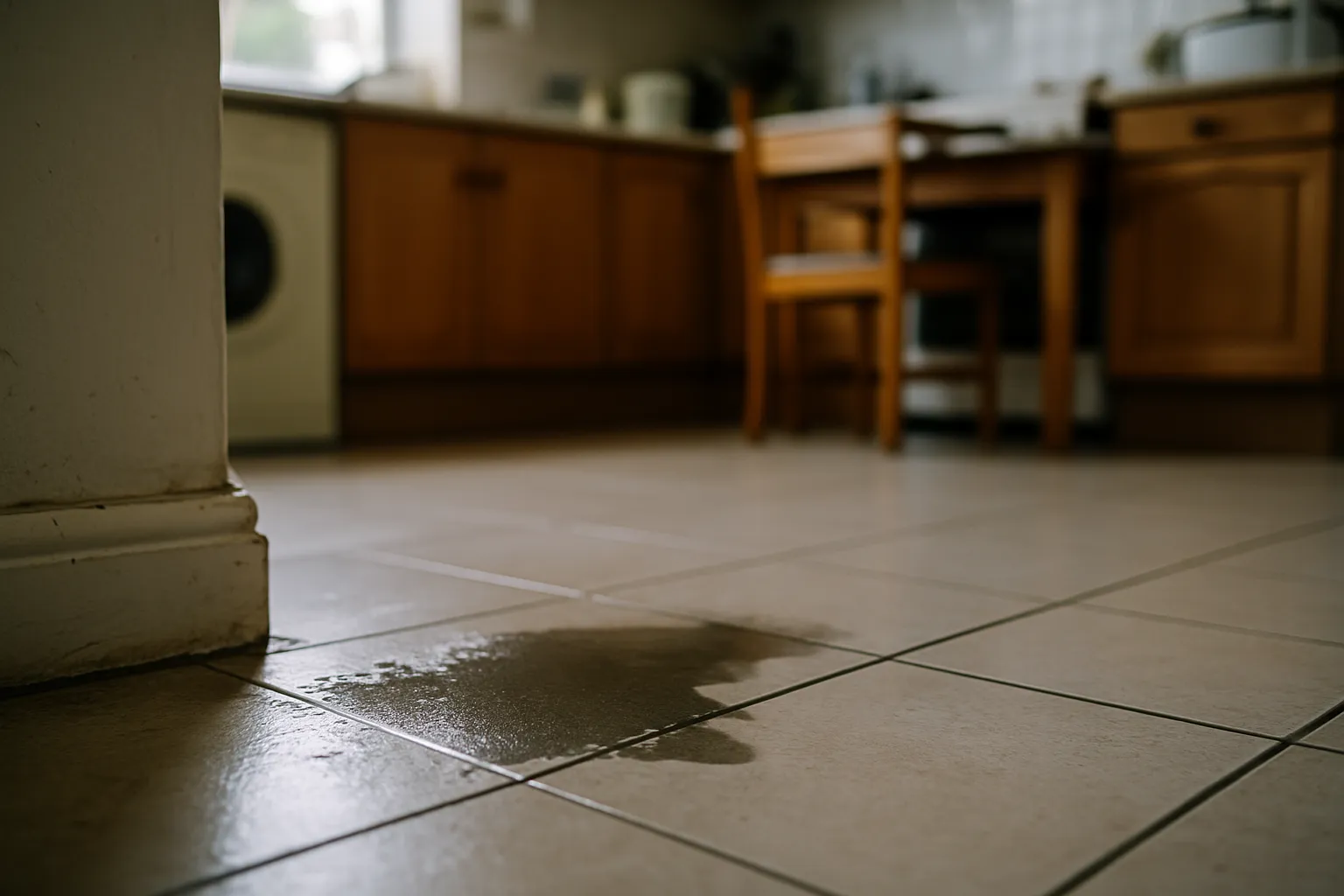
A dripping tap is obvious. A leak buried beneath a concrete floor or running silently inside a wall is a different matter entirely. In Hanworth and the surrounding TW13 area, we regularly attend homes and business premises where the first sign of a serious leak is a damp patch on a carpet, an unexplained rise in the water bill, or a cold spot on a floor that should be warm.
This guide explains how hidden leaks are found, why acting quickly matters, and what you can do right now if you suspect a problem.
Signs You May Have a Hidden Leak in Hanworth
Hidden leaks rarely announce themselves clearly. Watch out for:
- Warm or damp patches on a solid floor — particularly in homes with underfloor heating
- A water meter that keeps moving even when every tap and appliance is switched off
- Unexplained increases in your water bill over several billing periods
- Mould or damp patches on walls or ceilings with no obvious external cause
- The sound of running water when nothing is turned on
- Reduced water pressure throughout the property
Any one of these on its own is worth investigating. Two or more together strongly suggest a leak that needs professional attention.
Underfloor Leaks vs Slab Leaks: What Is the Difference?
These terms are sometimes used interchangeably, but they describe slightly different situations.
Underfloor Leaks
An underfloor leak occurs in pipework that runs beneath a floor finish — timber boards, tiles, or carpet over a screed. The pipe itself may be accessible by lifting the floor covering, or it may be set into a screed layer. Underfloor heating systems, which are common in newer Hanworth properties, are a frequent source of this type of leak because the pipework runs in a grid pattern across the entire floor area.
Slab Leaks
A slab leak refers specifically to a leak in pipework that is embedded in or running directly beneath a concrete slab foundation. These are harder to access and, if left undetected, can undermine the structure of the floor, cause significant damp damage to the building fabric, and lead to costly remediation work.
Both types require non-invasive detection methods before any digging or lifting begins.
How Professional Leak Detection Works
Attempting to find a hidden leak by lifting floorboards at random is both destructive and unreliable. Professional leak detection uses a combination of methods to pinpoint the source accurately before any floor or wall is opened up.
Thermal imaging uses an infrared camera to identify temperature differences on floor and wall surfaces. A leaking pipe carrying warm water will show as a distinct warm area; a cold-water leak may appear as an anomalous cool zone.
Acoustic listening equipment amplifies the sound of water escaping under pressure. A trained engineer can trace the sound along a pipe run to identify the precise location of the fault.
Tracer gas detection involves introducing a safe, inert gas mixture into the pipe. The gas escapes at the leak point and rises to the surface, where a sensitive detector picks it up. This method is particularly effective under concrete slabs.
Moisture meters and damp readings are used to map the extent of any water ingress and to provide a written record of the damage.
The aim in every case is to limit disruption: open only where the evidence points, repair the fault, and restore the surface.
Why Hanworth Properties Are Worth Watching
Hanworth has a mix of housing stock — post-war council-built properties, 1960s and 1970s estates, and more recent new-builds — as well as older commercial premises near Hanworth Road and Hampton Road West. Older properties often have original copper or lead pipework that has had decades of use. Underfloor heating systems in newer builds can develop micro-fractures at joints. Both scenarios create a real risk of slow, hidden leaks.
The local ground conditions and the relatively high water pressure in parts of TW13 can place additional stress on ageing pipe joints, particularly during cold snaps when ground movement occurs.
What You Can Do Right Now
If you suspect a hidden leak:
- Locate your internal stop tap (usually under the kitchen sink or where the supply enters the property) and note how to turn it off quickly.
- Check your water meter. Turn off every tap and appliance, then watch the meter dial for two minutes. If it moves, water is escaping somewhere.
- Photograph any visible damp, staining, or damage — dates and images are useful evidence for your own records.
- Avoid drilling, nailing, or cutting into floors or walls until the leak has been properly located. You risk hitting the pipe and turning a slow leak into a flood.
- Call a plumber. The sooner the source is found, the less damage accumulates.
Documentation for Your Own Records
Once a leak is repaired, ask your plumber for a written report covering the cause of the leak, photographs taken before and during the repair, moisture readings, and a description of the work carried out. This record belongs to you and is the evidence you will need if you choose to make a claim on your buildings or contents insurance. Your insurer will tell you exactly what documentation they require.
Call Us in Hanworth — Any Time
If you are in Hanworth, Feltham, Hampton or anywhere across the TW13 area and you suspect a hidden leak, do not wait to see whether it gets worse. Call 07360 268948 — we are available 24 hours a day, seven days a week, including bank holidays.
We will locate the source accurately, carry out the repair, and leave you with a clear written record of everything we found and fixed.