Emergencies
Landlord Water Supply Insurance: Are You Covered for a Burst Pipe on Your Rental?
What landlord buildings and specialist landlord insurance typically covers for burst pipes, escape-of-water exclusions, and how to document a claim properly.
Published 31 July 2026
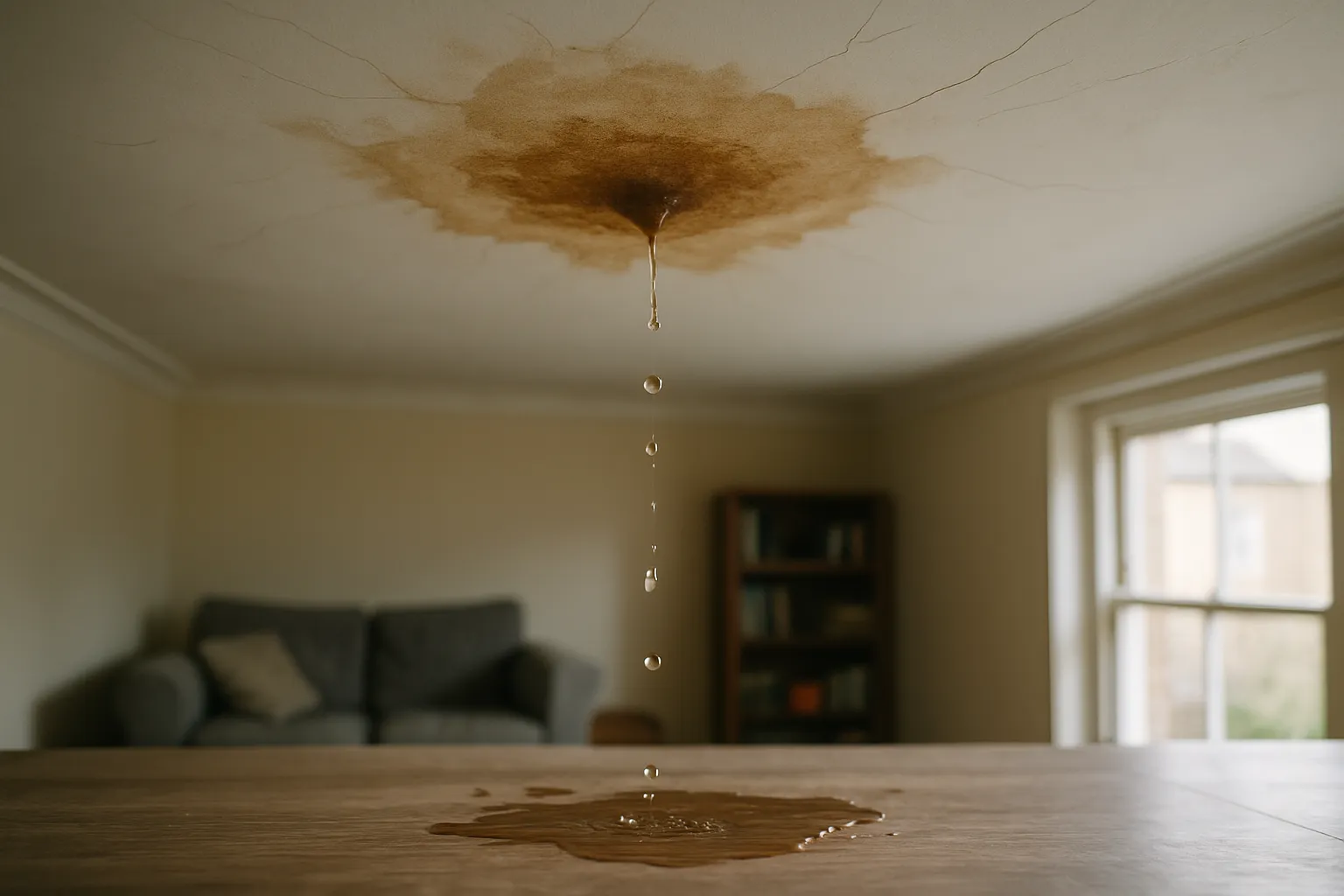
A burst pipe in a rental property is stressful at the best of times. When you add insurance questions, tenant communications, and potential liability into the mix, it can quickly feel overwhelming. This guide explains what landlord insurance policies typically cover, where the common gaps are, and what you and your tenant should do first to protect your position.
Nothing in this guide is financial or insurance advice. Always read your own policy wording and speak to your insurer or an independent broker if you are unsure of your cover.
Landlord Insurance vs. Standard Buildings Insurance
Many landlords hold a standard residential buildings policy rather than a specialist landlord policy. That distinction matters enormously when a pipe bursts in a tenanted property.
Standard buildings insurance is designed for owner-occupiers. It may exclude or restrict cover when a property is let to tenants, particularly if the insurer was never told the property is rented out. Check your policy schedule for terms such as “owner-occupied” or “private residence” — these can invalidate a claim entirely.
Specialist landlord buildings insurance is designed around rental use. It typically includes:
- Escape of water from fixed plumbing, pipes, tanks and heating systems
- Damage to the structure caused by the burst (ceilings, floors, wall plaster)
- Trace and access costs — the work needed to locate a concealed leak before it can be repaired
- Loss of rent if the property is rendered uninhabitable
Even with a landlord policy, cover is not automatic. Insurers will look closely at the circumstances.
Common Exclusions to Watch For
Gradual Deterioration
Most policies exclude damage that has developed slowly over time — a slow drip behind a wall that eventually causes rot, for example. Insurers typically expect sudden, unforeseen events. If there is evidence a leak had been present for weeks or months without being reported or repaired, a claim may be declined or reduced.
This is one reason it is important to carry out regular inspections and act promptly on any tenant reports of damp, low pressure or discoloured water.
Unoccupied Property Exclusions
This is the single most common gap for landlords. Most landlord policies define a maximum period — often 30 or 60 consecutive days — after which a property is considered “unoccupied”. Once that threshold is crossed, escape-of-water cover is frequently suspended or requires a separate unoccupied-property endorsement.
Voids between tenancies, renovation periods, and properties where a tenant has abandoned the property without notice all carry this risk. If your property is or will be empty for an extended period:
- Notify your insurer in advance
- Ask whether you need an unoccupied property extension
- Consider draining down the water system if the property will be empty over winter
Tenant Negligence
Some policies exclude damage caused by a tenant’s actions — for instance, a tenant who drives a screw through a pipe or leaves a tap running while away. Others include it. Read your policy wording carefully and check whether there is a separate “malicious damage by tenants” section.
Lack of Maintenance
If a surveyor or loss adjuster determines that the burst was caused by a fitting that was visibly corroded or a system that had not been serviced, an insurer may argue the damage was foreseeable and therefore not covered. Keeping records of boiler services, plumbing inspections and any remedial work you have carried out strengthens your position considerably.
What Your Tenant Should Do First
When a burst pipe occurs in your rental, the first priority is limiting damage. Your tenancy agreement should make clear that tenants must:
- Turn off the water at the stopcock immediately. Most stopcocks are under the kitchen sink or where the supply enters the property.
- Turn off the electricity at the consumer unit if water is near any electrics or coming through a ceiling.
- Contact you or your managing agent straight away — and keep a record of when they did so.
- Not attempt DIY repairs beyond stopping the flow.
As the landlord, you are responsible for arranging repairs to the structure and the fixed plumbing. The sooner a qualified plumber attends, the smaller the damage — and the stronger your insurance position.
Documentation: What Insurers Typically Ask For
When you notify your insurer of an escape-of-water claim, they will usually ask for:
- The date and time the problem was first noticed
- Who reported it and when
- Photographs of the damage, the source of the leak, and any affected areas
- A written report from the attending plumber stating the cause of the burst, the location, and the scope of work carried out
- Moisture readings if there is suspected damp penetration into walls or floors
- Invoices for emergency and remedial work
A plumber who attends promptly and provides a clear written record — cause, photographs, moisture readings, and scope of work — gives you exactly what you need to submit to your insurer yourself. That documentation belongs to you, and you use it to run your own claim.
Acting Quickly Protects Both the Property and Your Claim
Insurers expect policyholders to take reasonable steps to prevent further damage once a problem is discovered. Delaying repairs — or failing to respond promptly to a tenant’s report — can give an insurer grounds to reduce a settlement on the basis that the damage was allowed to worsen unnecessarily.
If you have a burst pipe at a rental property in the TW postcode area, call us on 07360 268948. We attend 24 hours a day, stop the leak, and provide a written record of the cause and work carried out — everything you need to handle your own insurance paperwork with confidence.