Emergencies
Are Water Leaks Covered by Buildings Insurance? The Full List of Ifs and Buts
Does buildings insurance cover water leaks? The honest answer depends on several ifs and buts. Here is a plain-English guide to what typically is and is not covered.
Published 24 July 2026
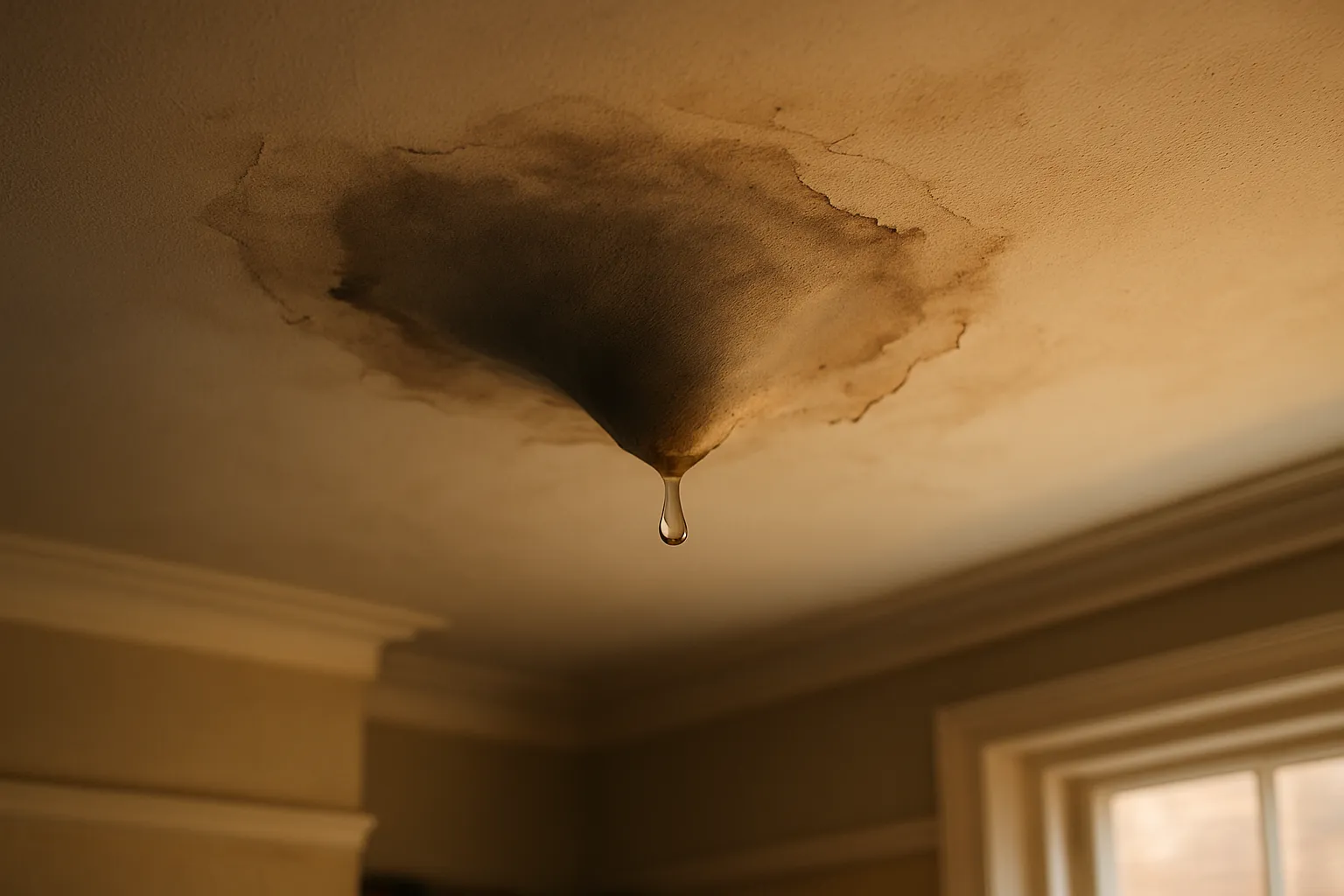
Buildings insurance and water leaks are an uncomfortable combination. The policy wording is rarely straightforward, and the answer to “am I covered?” almost always begins with the same two words: it depends. This guide walks through the main factors that determine whether a claim is likely to succeed — so you can go into any conversation with your insurer well-informed.
One thing to be clear about from the start: Emergency Plumbers TW’s job is to stop the leak, carry out the repair, and give you a written record of what happened and why. What you do with that record — including whether and how you make a claim — is entirely your decision and your process to run.
The Single Biggest Factor: Sudden vs. Gradual
Most standard buildings insurance policies are written around the idea of a sudden, unexpected event. A pipe that bursts overnight because of a freeze counts. A pipe that has been weeping slowly behind a wall for two years generally does not.
Insurers call slow deterioration “gradual damage” or “wear and tear”, and the majority of policies exclude it. If a loss adjuster finds staining, mould, or corrosion that clearly predates the discovery of the leak by months or years, the claim is likely to be declined or reduced.
What this means in practice:
- Report leaks as soon as you find them. Delay can make it harder to argue the damage was recent.
- Keep any evidence that the leak was genuinely new — a sudden wet patch on a ceiling that was dry yesterday is very different from a patch that has been slowly spreading.
Hidden vs. Visible Pipes
Many policies include a specific clause for escape of water from hidden pipes — that is, pipes buried in walls, floors, or beneath concrete. Because you cannot reasonably be expected to inspect them, some insurers treat damage from hidden pipes more sympathetically than damage from visible ones.
However, “hidden” has limits. A pipe under a kitchen sink that you can see every time you open the cupboard is not hidden, even if it is inside a unit.
Common Exclusions to Watch For
Read the exclusions section of your policy carefully. The following are frequently listed:
- Gradual deterioration or wear and tear — the most common reason claims are declined.
- Poor workmanship or DIY repairs — if a previous repair was not done properly and that caused the leak, some insurers will not pay.
- Lack of maintenance — if the damage could have been prevented by routine upkeep (clearing gutters, servicing a boiler, lagging pipes before a cold snap), the insurer may argue you failed your duty of care.
- Unoccupied properties — most policies require you to notify the insurer if the property is empty for more than 30 or 60 consecutive days. Leaks that occur during an undisclosed vacancy are often excluded.
- Damage to the pipe itself — buildings insurance typically covers damage caused by the escaping water (ceilings, floors, walls, fitted units). The cost of repairing or replacing the actual pipe is usually a separate matter and may not be covered at all, or may fall under a different section of the policy.
What Evidence Insurers Typically Ask For
If you do decide to make a claim, insurers generally want to see:
- Photographs — taken as soon as the damage is discovered, before any drying out or repair work begins.
- A written report from the plumber — stating the cause of the leak, its likely duration, the scope of work carried out, and ideally moisture readings if damp-mapping was done.
- Receipts or invoices for emergency work already completed.
- Any previous correspondence about the same area — for example, a report from a previous survey or a letter from a neighbour about a shared drain.
When Emergency Plumbers TW attends a job, we provide a written record covering the cause, photographs, and the work done. That document belongs to you and you can submit it to your insurer as part of your own claim.
A Simple Decision Tree
Ask yourself these questions in order:
- Was the leak sudden and unexpected? If yes, you are in better territory. If it was gradual, cover is less likely.
- Is the damaged pipe hidden within the structure? If yes, check whether your policy has an “escape of water” clause for concealed pipes.
- Was the property occupied and properly maintained? If there are gaps here, expect scrutiny.
- Does the policy cover the resulting damage or the pipe repair itself? These are usually treated differently.
- Have you read the specific exclusions in your policy? No guide can substitute for your own policy wording.
Contents Insurance vs. Buildings Insurance
Buildings insurance covers the structure — walls, floors, ceilings, fitted kitchens and bathrooms. Contents insurance covers your belongings. A leak that ruins your sofa and your ceiling may need a claim on both policies, with different excesses and different evidence requirements.
If You Have a Leak Right Now
If water is actively escaping, the priority is always to stop it first. Turn off your stopcock or the relevant isolation valve, then call us on 07360 268948. We are available 24 hours a day across the TW postcode area.
Once the leak is stopped and the repair is done, you will be in a much stronger position to assess your policy calmly and decide whether to make a claim. A reputable plumber will give you the written documentation you need — the rest is between you and your insurer.