Emergencies
Bathroom Leak Insurance Claim: How to Get It Approved
Understand why insurers dispute bathroom leak claims, what evidence to gather, and how a clear repair record helps your case. Practical UK guide.
Published 31 July 2026
Bathroom Leak Insurance Claims: What You Need to Know
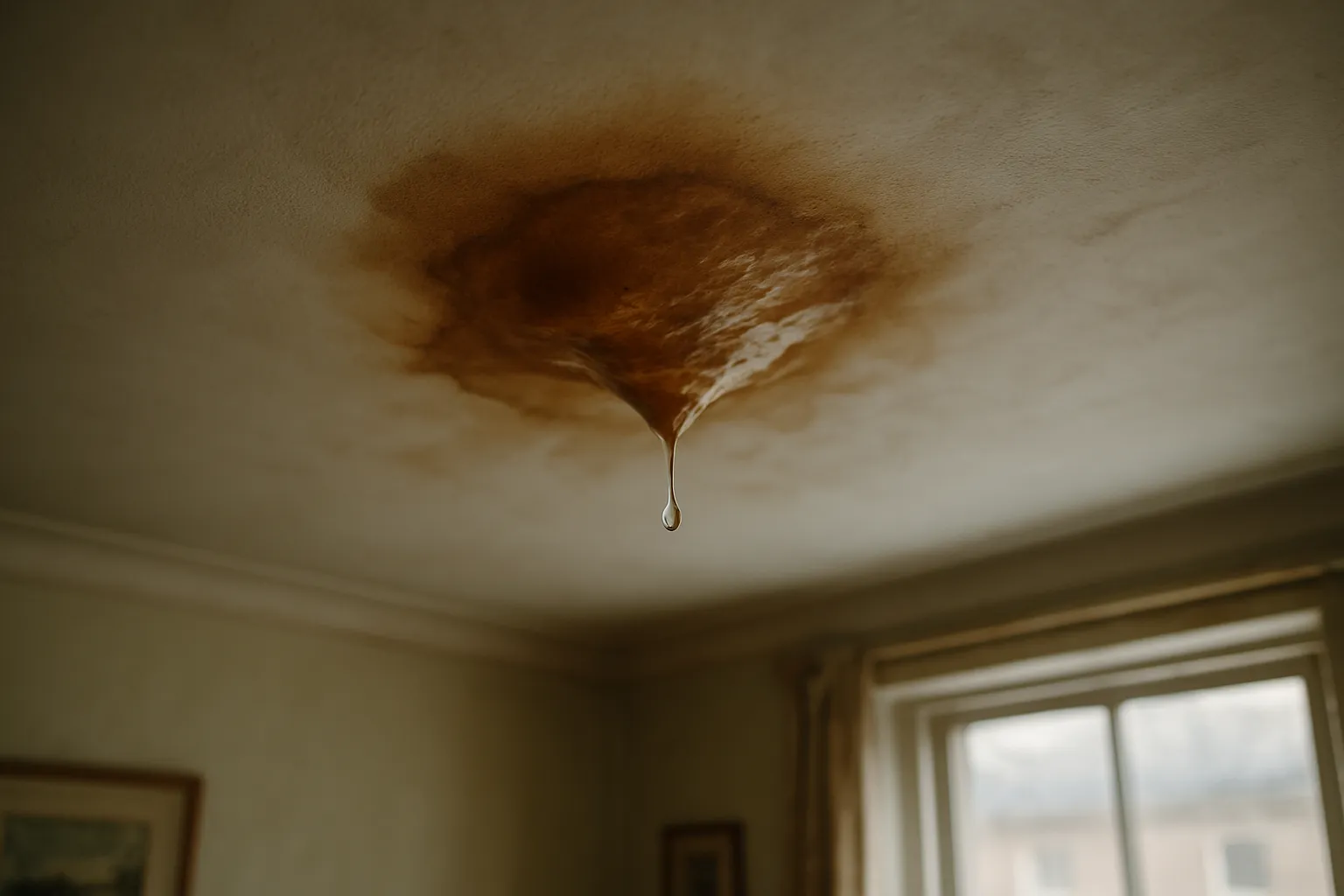
A bathroom leak that has come through the ceiling below is stressful enough on its own. Discovering that your insurer is querying the claim — or refusing it outright — makes everything worse. This guide explains why bathroom leak claims are frequently disputed, what evidence tends to resolve those disputes, and what role a plumber’s written report plays in the process.
One important note upfront: Emergency Plumbers TW can stop the leak, carry out the repair, and provide you with a detailed written record of what we found and what we did. Your claim is yours to run. We are a plumbing company, not an insurance intermediary, and nothing below should be read as advice on your specific policy.
Why Insurers Dispute Bathroom Leak Claims
Bathroom leaks sit in a grey area that insurers scrutinise closely. The core question they ask is: was this a sudden, unforeseen event, or gradual damage that built up over time?
Most home insurance policies cover sudden and accidental damage. They typically exclude damage caused by:
- Long-term seepage through failed grout or silicone
- Condensation that has accumulated over months or years
- Wear and tear to sealant, grouting or tiles
- Neglect or lack of maintenance
A burst pipe or a failed joint that floods a bathroom in one event is usually treated differently from a shower tray that has been weeping through cracked grout for six months. The trouble is that the visible damage — a stained, sagging ceiling — looks identical in both cases. That is why insurers ask for evidence, and why that evidence matters.
Grout and Sealant vs. Plumbing: Why the Distinction Matters
This is the single most common point of dispute in bathroom leak claims.
Grout and sealant failure is considered maintenance. If water has been tracking through cracked tiles or degraded silicone around a shower tray, most policies will not pay for the resulting damage.
Plumbing failure — a split supply pipe, a failed compression fitting, a cracked waste pipe — is more likely to be treated as a sudden event, depending on your policy wording.
A qualified plumber can identify which is which. If the source is a plumbing fault, a written report stating that clearly, with photographs and (where appropriate) moisture readings, gives your insurer something concrete to assess. If the source turns out to be grout or sealant, it is better to know that early than to submit a claim that will be rejected after a loss adjuster visits.
What Evidence to Gather Before Anything Is Touched
If it is safe to do so, collect as much evidence as possible before repairs begin. Once the leak is fixed and surfaces are dried out, it becomes much harder to demonstrate what happened.
Photographs and video
- The affected ceiling from below — capture the full extent of staining or collapse
- The bathroom floor and any visible source above
- Any cracked, missing or discoloured grout and sealant
- Pipework if it is accessible and visibly damaged
- The area around the bath, shower tray, basin and toilet — all potential sources
Written records
- Note the date and time you first noticed the leak or the damage
- Write down what you were doing when it started (running the shower, filling the bath, etc.)
- Keep any correspondence with a previous plumber if work has been done recently
The plumber’s report
Ask your plumber to provide a written document that includes:
- The identified cause of the leak
- Whether the cause appears sudden or long-standing
- Photographs taken during investigation
- Moisture readings if a meter was used
- The scope of repair work carried out
This document belongs to you. You can share it with your insurer or loss adjuster as part of your claim.
What a Loss Adjuster Will Typically Look For
If your insurer appoints a loss adjuster, they will usually want to understand:
- The cause — plumbing fault, sealant failure, or structural issue
- The timeline — how long the damage is likely to have been developing
- The extent — how far moisture has spread into ceilings, joists or walls
- Maintenance history — whether the bathroom was reasonably maintained
Having a professional repair report and photographs from before the repair work started puts you in a much stronger position to answer those questions clearly.
Practical Steps If Your Bathroom Is Leaking Now
- Stop the water. Turn off the isolation valve under the basin or toilet, or turn off the mains stopcock if needed.
- Call a plumber to find and fix the source — do not leave a leak running while you wait for a loss adjuster.
- Photograph everything before the plumber starts work.
- Ask for a written report when the job is done.
- Contact your insurer to notify them promptly — most policies require you to report damage as soon as reasonably possible.
- Keep all receipts for emergency repair work, as these are often recoverable under a policy.
For more detail on what to check when water is coming through the ceiling, see our guide to shower leaking through the ceiling below.
We Can Help With the Repair and the Record
If you have a bathroom leak in the TW postcode area — Twickenham, Richmond, Teddington, Hounslow, Staines or anywhere nearby — we are available around the clock. We will find the source, carry out the repair, and give you a clear written record of what we found.
What you do with that record is entirely up to you. If you are making an insurance claim, it may be one of the most useful documents you have.
Call us any time on 07360 268948.