Emergencies
Does Building Insurance Cover Burst Pipes? A Plain-English Answer
Buildings insurance usually covers structural damage from a sudden burst pipe, but not the pipe itself. Here is what your policy is likely to say.
Published 23 July 2026
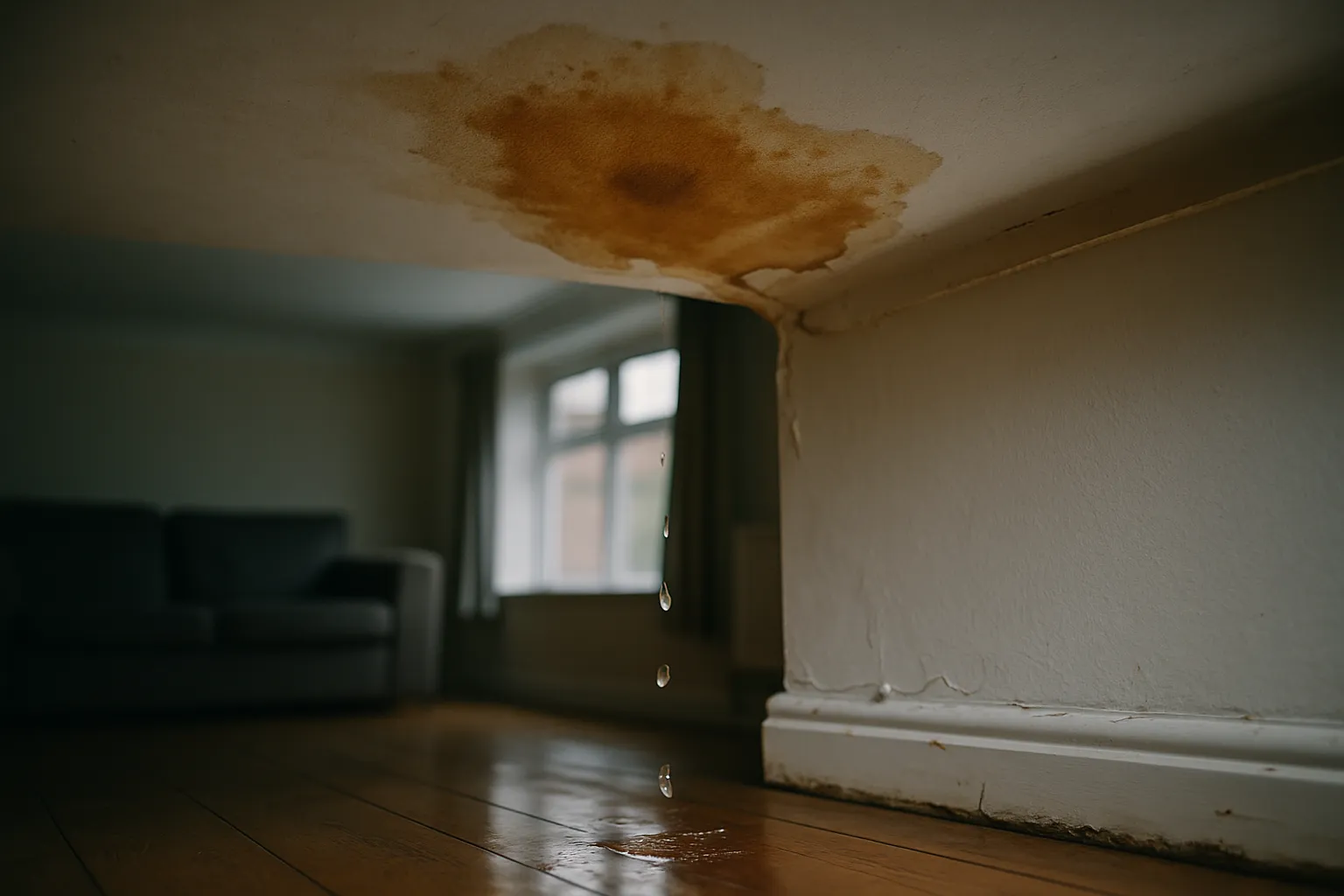
Does Building Insurance Cover Burst Pipes?
The short answer is: usually yes for the structural damage, but almost certainly not for the pipe itself — and there are important exceptions that can catch homeowners out.
Here is a plain-English breakdown of how most buildings insurance policies treat burst pipes, what evidence your insurer will ask for, and what you can do right now to protect your position.
What Buildings Insurance Typically Covers
Buildings insurance is designed to protect the fabric of your home — walls, floors, ceilings, fixed fittings and so on. When a pipe bursts suddenly and causes damage to that fabric, most policies will consider a claim for:
- Water damage to plasterwork, ceilings and floors
- Damage to fitted kitchens or bathrooms caused by the escape of water
- Structural drying and reinstatement of the affected fabric
- Trace and access costs (finding where the leak originated)
The key word insurers use is “sudden and accidental”. If your adjuster is satisfied the burst happened without warning and without neglect, the structural damage is generally a covered peril.
What Buildings Insurance Usually Does NOT Cover
Understanding the exclusions is just as important as knowing what is covered.
The Pipe Itself
The failed pipe, joint or fitting is almost always excluded. Your policy covers what the water did to your home, not the component that failed. Replacing the burst section of pipework is typically your own cost.
Gradual Damage and Neglect
If an insurer can show that a leak had been slowly developing — staining on a ceiling that was ignored, damp that was left untreated — they may decline the claim on the grounds that the damage was gradual rather than sudden. This is why prompt action matters.
Frozen Pipe Exclusions
Many policies contain a frozen pipe exclusion. If a pipe freezes and then bursts while the property was left unheated, the insurer may reject the claim. Common conditions include:
- The heating must have been left on at a minimum temperature (often 15 °C) while the property was unoccupied
- Or the water must have been turned off and the system drained before you left
Check your policy schedule carefully if your property was empty during cold weather.
Maintenance Issues
Pipes that have corroded over time, or that failed because of poor original installation, are unlikely to be covered. Insurers expect homeowners to maintain their systems to a reasonable standard.
The Difference Between Structural Drying and Rebuilding
Two costs that often surprise people are structural drying and reinstatement:
- Structural drying — industrial drying equipment may need to run for days or even weeks to bring moisture levels in walls and floors back to acceptable levels before any rebuilding can start. Many policies cover this, but confirm with your insurer before the drying contractor begins.
- Reinstatement — replastering, redecorating and relaying floors. Again, usually covered under a standard policy, subject to your excess.
Neither of these is cheap. Having clear, timestamped evidence of when the burst was discovered and what was damaged is essential.
What Evidence Your Insurer Will Typically Ask For
Loss adjusters generally expect to see:
- Photographs taken immediately — of the burst pipe, the source of the water, and every affected room
- Moisture readings — a plumber or damp specialist can take these; they show the extent of the ingress
- A written report from the attending plumber stating the likely cause and when the failure is estimated to have occurred
- Receipts or invoices for any emergency work carried out to stop further damage
- Evidence that you acted promptly — delay can be used to argue that some damage was avoidable
Keep every document. Your insurer and any loss adjuster they appoint will work from the paperwork you provide. The more complete your record, the smoother the process tends to be.
What to Do Right Now If a Pipe Has Burst
- Turn off your stopcock to stop water flowing. It is usually under the kitchen sink or where the supply enters the property.
- Turn off the electricity at the consumer unit if water is near any electrics.
- Photograph everything before any clearing up begins.
- Call a plumber to carry out the emergency repair and provide a written cause-and-scope report.
- Notify your insurer as soon as the immediate emergency is under control. Most policies require prompt notification.
Do not wait to call a plumber in the hope of saving money — every hour of water ingress increases the structural damage and, potentially, the grounds an insurer has to argue the loss was worsened by inaction.
A Note on Your Insurer and Loss Adjuster
Your insurer may appoint a loss adjuster to inspect the damage. The loss adjuster works for the insurer, not for you. You are entitled to appoint your own independent loss assessor if you feel you need representation — that is entirely your decision to make.
Our role is straightforward: we stop the leak, repair the fault, and provide you with a written record of the cause, photographs and moisture readings. That documentation belongs to you and you can use it however you need to when dealing with your insurer.
Need an Emergency Plumber in the TW Area?
If a pipe has burst and you need it stopped right now, call us any time on 07360 268948. We cover Twickenham, Richmond, Teddington, Hounslow, Feltham, Staines and the surrounding TW postcodes, 24 hours a day, seven days a week.
Get the damage stopped first — then deal with the paperwork.