Emergencies
Home Emergency Cover vs Plumbing & Drainage Cover vs Buildings Insurance: What Each One Actually Does
Compare home emergency cover, plumbing and drainage cover, and buildings insurance so you know which policy applies when a pipe bursts or a drain blocks.
Published 22 July 2026
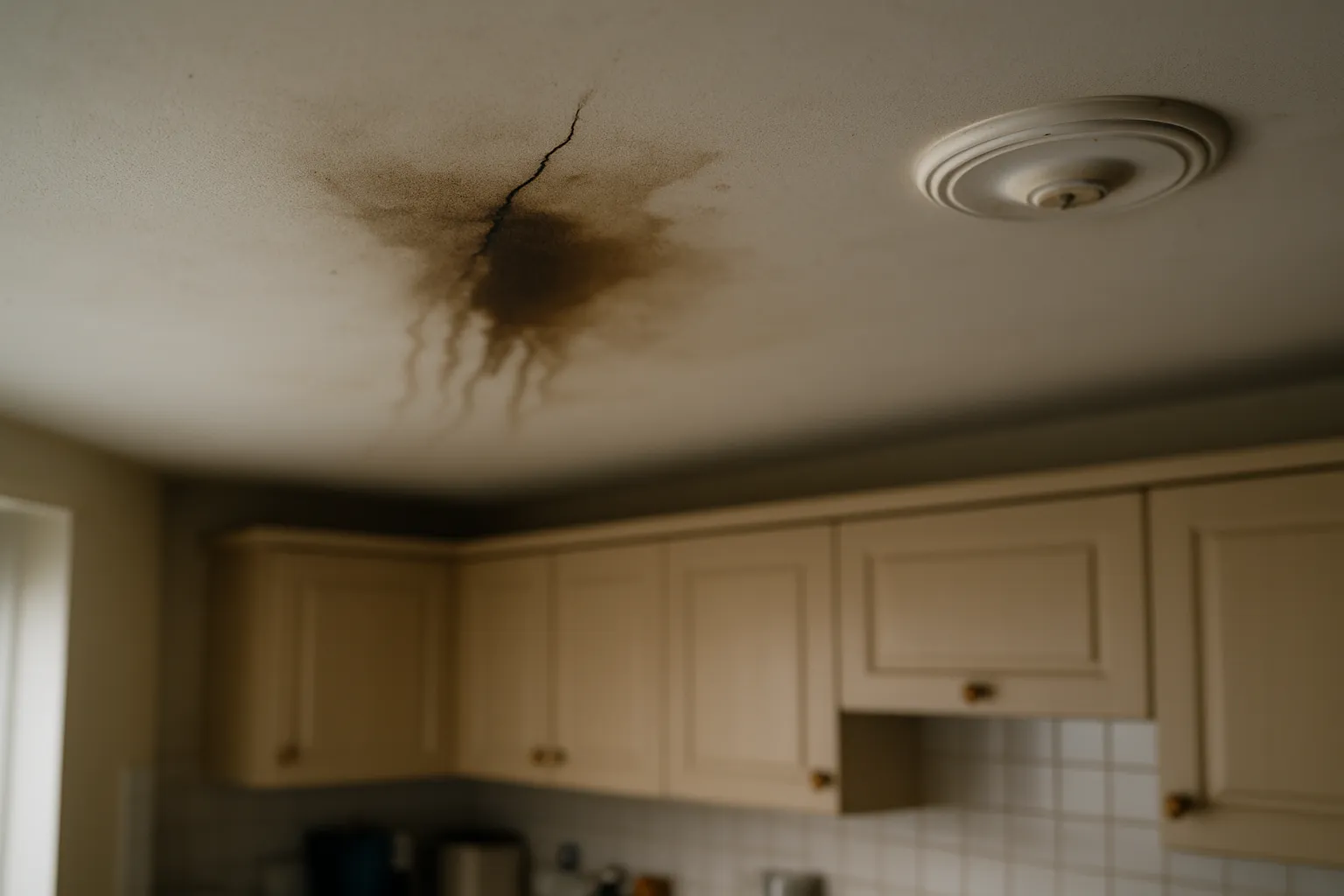
When a pipe bursts at midnight or a drain backs up on a Sunday afternoon, most homeowners discover they have more than one insurance policy — and no clear idea which one to call first. This guide explains how the three main types of cover work, where they overlap, and where they leave gaps.
The Three Policies at a Glance
| Policy | What it typically pays for | What it typically excludes |
|---|---|---|
| Home emergency cover | A tradesperson to attend and make safe within hours | Permanent repairs beyond making safe; pre-existing faults |
| Plumbing & drainage cover | Repair or replacement of failed pipes, drains and internal plumbing | Damage to ceilings, floors or contents caused by the leak |
| Buildings insurance | Reinstatement of the building fabric damaged by water | The plumbing fault itself; gradual leaks |
The key insight: a single incident — say, a burst supply pipe that soaks your kitchen ceiling — can involve all three policies at once, each covering a different slice of the cost.
Home Emergency Cover
Home emergency cover (sometimes sold as a bolt-on to buildings insurance, sometimes as a standalone policy) is designed to get a qualified tradesperson to your door quickly and make the property safe. Think of it as the “first responder” layer.
What it typically covers
- Emergency call-out and labour to isolate a burst pipe or stop an active leak
- Temporary repairs to restore basic facilities (water, heating, drainage)
- Boiler breakdowns that leave you without heat or hot water
- Blocked or failed drains causing immediate risk to health
Common exclusions and limits
- Pre-existing conditions. If the pipe was already corroded or the drain already slow, many policies will not pay.
- Cosmetic or permanent repairs. The engineer makes the property safe; re-plastering the ceiling is usually a separate matter.
- Call-out limits. Many policies cap the number of call-outs per year (commonly two or three) and the cost per visit (often £500–£1,000).
- Boiler age. Boilers over ten years old are frequently excluded or subject to a higher excess.
- Gradual deterioration. A slow drip that has been present for months is rarely covered as an “emergency”.
Plumbing and Drainage Cover
This is a more targeted product, sometimes included within a home emergency policy and sometimes sold separately. It focuses on the plumbing and drainage infrastructure itself rather than the speed of response.
What it typically covers
- Repair or replacement of internal supply pipes, waste pipes and fittings that have failed
- Clearing blocked or collapsed drains, including external drains up to the boundary
- Sometimes: internal stop tap, isolation valves and visible pipework
Common exclusions and limits
- Damage caused by the leak to surrounding building fabric or contents
- Pipes that have failed due to age, scale or root ingress that was already present
- Drains beyond the property boundary (these may fall under your water company’s responsibility — worth checking with Thames Water or your local supplier)
- Shower trays, baths, sinks and sanitary ware as fixtures (these often fall under buildings insurance instead)
Buildings Insurance
Buildings insurance covers the structure and permanent fixtures of your home. It is the policy that pays to reinstate what water has damaged — not the plumbing fault that caused the damage.
What it typically covers
- Ceilings, floors, walls and structural timbers affected by a sudden escape of water
- Fitted kitchens, bathrooms and built-in units damaged by a leak
- Drying out and reinstatement works following a confirmed escape of water
- Sometimes: trace and access costs (finding where a hidden leak is located)
Common exclusions and limits
- Gradual leaks. Most policies specifically exclude damage caused by a leak that has been present over a long period and should have been noticed.
- The plumbing fault itself. Buildings insurance will pay to replaster the ceiling; it will not pay to replace the burst pipe.
- Excess. Escape-of-water claims often carry a higher excess than other perils — sometimes £250–£500 or more.
- Unoccupied properties. Extended absence clauses can void cover if the property has been empty beyond a set period (commonly 30–60 days).
How the Three Policies Work Together in Practice
Take a burst pipe behind a bathroom wall:
- Home emergency cover pays for the emergency call-out to isolate the water supply and make the property safe overnight.
- Plumbing and drainage cover pays to open the wall, replace the failed section of pipe and reinstate the isolation.
- Buildings insurance pays to dry out the structure, replaster the wall and redecorate.
If you only have buildings insurance and no emergency or plumbing cover, you would typically pay for the call-out and pipe repair yourself, then claim only the resulting building damage.
What Evidence Insurers Typically Ask For
Whichever policy you are claiming under, your insurer will usually want:
- Photographs of the damage taken before any work begins
- A written report from the attending plumber stating the cause, location and scope of the fault
- Moisture readings if damp has spread into the building fabric
- Receipts or invoices for emergency work already carried out
Our role when we attend is to stop the leak, carry out the repair, and give you a clear written record of what we found and what we did. That document belongs to you and is yours to submit to your insurer however you see fit. We do not contact or negotiate with insurers on your behalf.
A Practical Checklist Before You Need It
- Locate your policy documents now and note the emergency helpline numbers
- Check whether your buildings insurance includes trace and access cover
- Confirm your boiler age against any home emergency exclusion threshold
- Know where your stop tap is — isolating the supply quickly limits damage and strengthens a claim
If you have an active leak or a blocked drain right now, call us on 07360 268948. We cover Hounslow, Twickenham, Richmond, Teddington, Feltham, Staines and the wider TW postcode area, around the clock. We will stop the problem, then give you the paperwork you need to take the next steps with confidence.