Emergencies
Escape of Water Claims: Why They Take So Long and How to Speed Them Up
Understand why escape of water insurance claims take 6–12 weeks, when a loss adjuster visits, and what you can do to keep things moving.
Published 2 August 2026
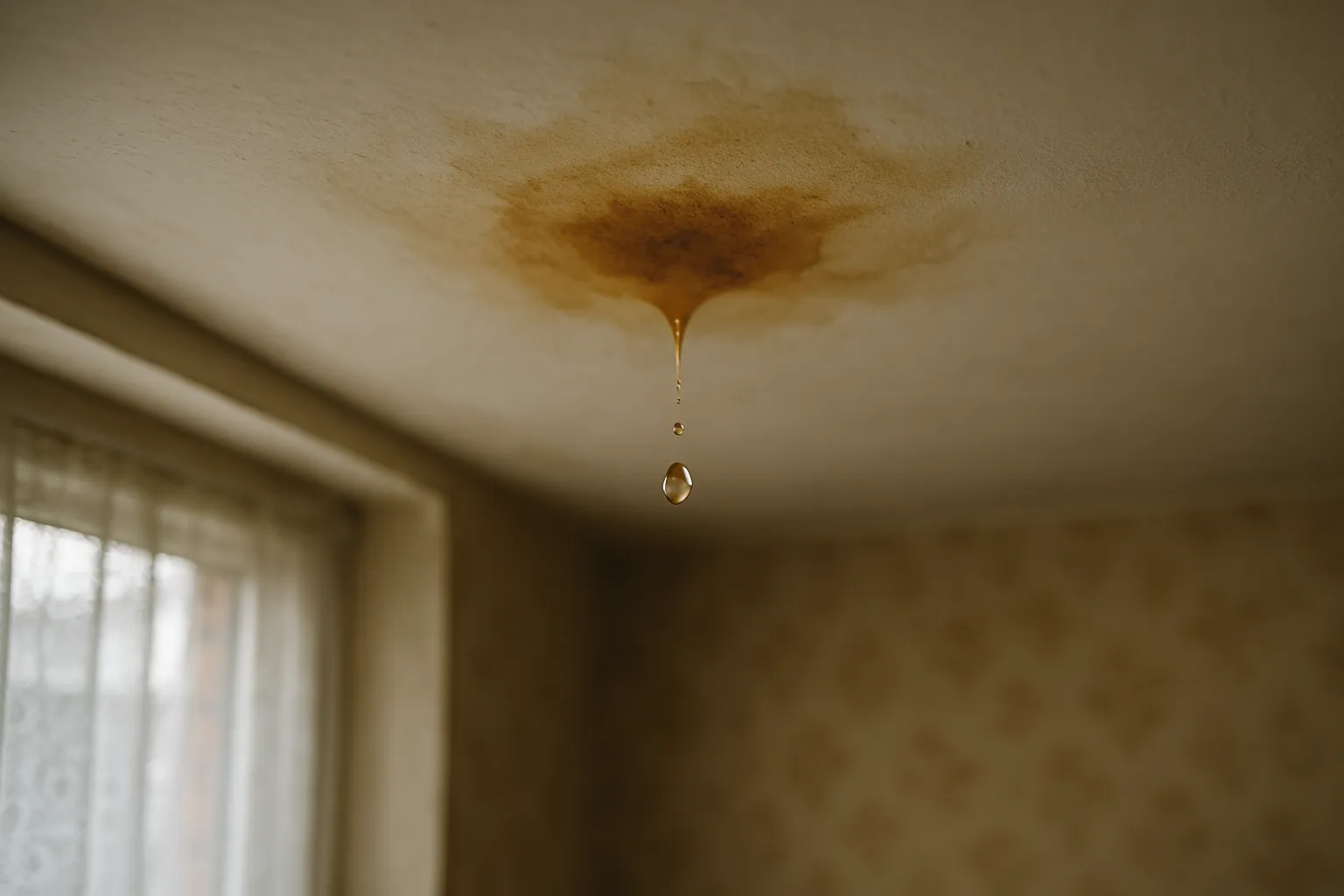
Why Does an Escape of Water Claim Take So Long?
If you have ever made an escape of water insurance claim in the UK, the timeline can feel bewildering. You reported the leak promptly, the plumber fixed it the same day — so why is your insurer still asking questions eight weeks later?
The short answer is that water damage is rarely straightforward. What looks like a damp patch on a ceiling is often the visible end of a much larger problem hidden inside walls, under floors and behind joinery. Insurers need to be confident that every affected area has been identified, dried and assessed before they authorise repair costs. Rushing that process leads to hidden damp, mould and structural movement — which is why the industry has settled on cautious, stage-by-stage handling.
Understanding each stage helps you see where delays are most likely to occur and what you can do to avoid them.
The Typical Timeline for an Escape of Water Claim
Week 1–2: First notification and emergency works
Your insurer logs the claim and may send an emergency assistance contractor, or they may ask you to arrange your own repairs. Either way, the priority at this stage is stopping the source of the leak. Keep all invoices and photographs from this period — your insurer will ask for them.
Week 2–4: Loss adjuster appointment
For claims above a certain value (commonly £2,500–£5,000, though every policy differs), the insurer appoints a loss adjuster to visit in person. Their job is to verify the cause of the damage, check that the leak is covered under your policy, and scope the full extent of the loss.
Delays here are common simply because loss adjusters carry heavy caseloads. Providing a clear written record of the cause — date, location, likely source — and good photographs before the visit can shorten the appointment and reduce follow-up queries.
Week 3–8: Drying and monitoring
This is the stage that surprises most policyholders. Before any replastering, flooring replacement or redecoration can be authorised, the structure must be dried to acceptable moisture levels. Specialist drying equipment — dehumidifiers and air movers — is typically left in place for three to six weeks, and the readings are logged at regular intervals.
Insurers will not approve reinstatement works until the drying contractor confirms that moisture readings have stabilised. If drying is rushed or the equipment is removed early, residual moisture can cause mould and further damage, which the insurer may then dispute as a separate issue.
Week 6–12: Reinstatement and settlement
Once the structure is dry and the scope of works is agreed, contractors can begin reinstatement. Settlement of the claim — the final payment — usually follows completion of works, or in some cases a cash settlement is agreed beforehand.
Disputes over the scope of works, betterment (where an insurer argues that new materials improve on what was there before), or policy excesses are the most common reasons claims extend beyond twelve weeks.
Common Reasons Claims Stall
- Incomplete documentation at first notification. If the cause of the leak is unclear, the loss adjuster has to investigate further before liability can be confirmed.
- Delayed drying. Every week the structure remains wet is another week before reinstatement can start.
- Disputed scope. If the loss adjuster and your own contractor disagree on what needs replacing, the insurer will pause authorisation until it is resolved.
- Policy queries. Trace and access cover, gradual damage exclusions and maintenance clauses are frequently raised on escape of water claims and each one requires the insurer’s technical team to review the file.
What You Can Do to Keep Things Moving
Get a detailed written record from your plumber
The single most useful thing you can have is a clear, written report from the plumber who attended: the cause of the leak, the location, the date, photographs of the source and any moisture readings taken at the time. This is your evidence. Your insurer and loss adjuster will base much of their initial assessment on it.
Photograph everything before any drying or repairs begin
Take wide shots showing the full affected area, and close-up shots of the source and any visible damage. Note the date and time on your phone.
Chase the drying contractor for regular moisture logs
Ask for written moisture readings at each visit. If readings are not reducing as expected, raise this with your insurer promptly — it may indicate a secondary leak or inadequate equipment placement.
Respond quickly to insurer requests
Every unanswered query adds days or weeks to the timeline. Keep a dedicated email folder for the claim and aim to respond to requests within 24–48 hours.
Keep a claim diary
Note every call, email and visit — who you spoke to, what was said and what was agreed. This record is invaluable if there is a dispute later.
A Note on What Your Plumber Can and Cannot Do
A plumber’s role in an escape of water claim is to stop the leak, carry out the repair and provide you with a written record of their findings. That record — cause, photographs, moisture readings, scope of work — belongs to you, and you use it to support your own claim with your insurer.
In an Emergency, Call First
If you have an active leak right now, the most important step is to stop it. Turn off your stopcock, then call us on 07360 268948. We cover the TW postcode area around the clock, every day of the year. Once the source is fixed, we can provide you with a clear written report to support whatever steps you take next.