Emergencies
Does Contents Insurance Cover Water Damage from a Leak?
Find out when contents insurance pays out for water damage, what the gradual damage exclusion means, and how to document your claim properly.
Published 24 July 2026
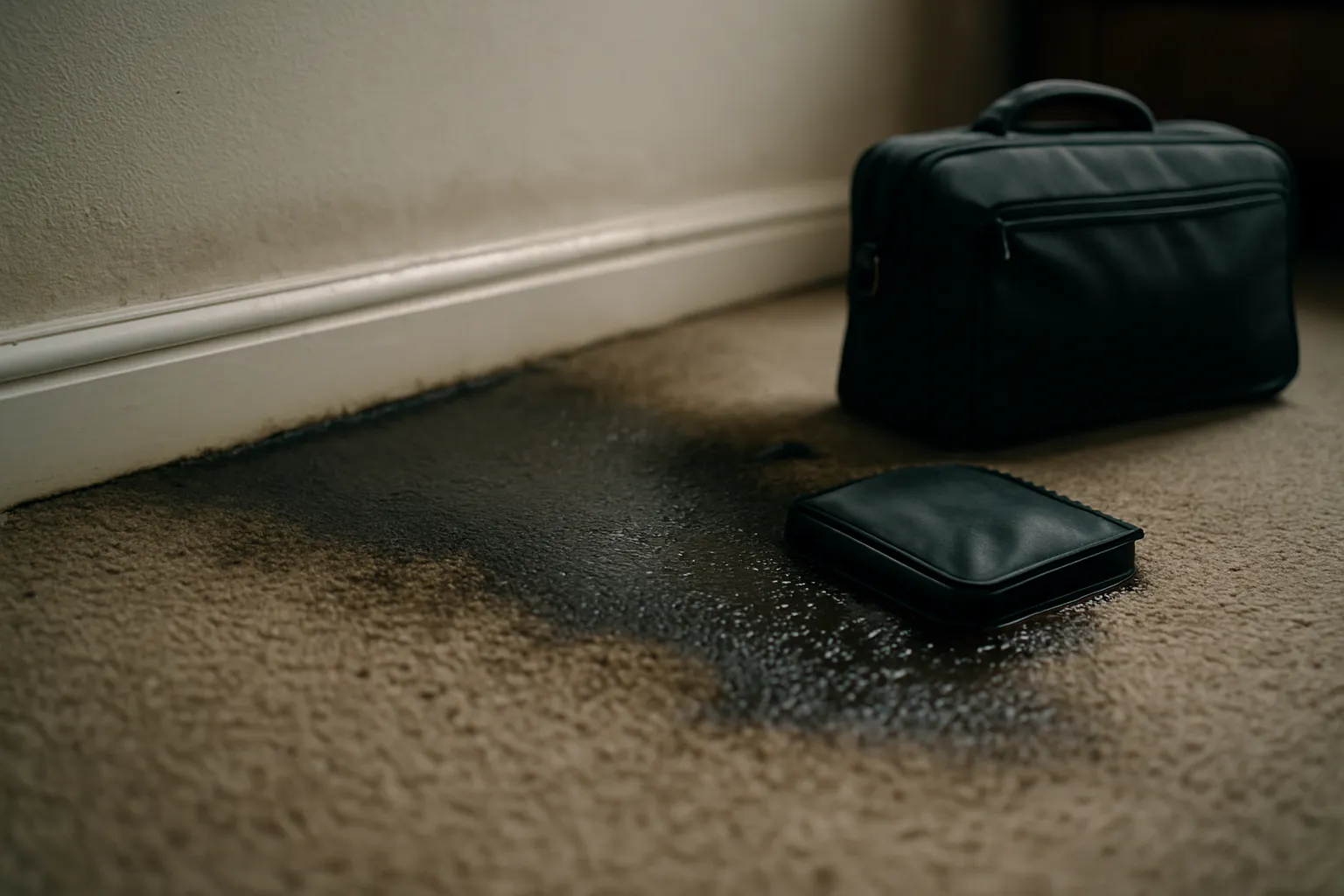
A burst pipe, an overflowing bath, or a neighbour’s leak coming through your ceiling can ruin a sofa, a laptop, a wardrobe full of clothes, and a carpet in a matter of hours. The repair bill is one thing — replacing your belongings is another. Here is a plain-English guide to how contents insurance typically handles water damage, what tends to be excluded, and what you can do right now to protect your position.
What “contents” actually means
Your contents policy covers the things inside your home that you would take with you if you moved: furniture, electronics, clothing, white goods, jewellery, and similar items. It does not usually cover the building itself — walls, floors, fitted kitchens, and built-in cupboards tend to fall under buildings insurance.
When water damages both the structure and your possessions, you may need to notify both policies.
When contents insurance typically pays out for water damage
Most standard contents policies include a peril called escape of water — water that has suddenly and accidentally escaped from a pipe, tank, appliance, or fixed installation. If a pipe bursts and soaks your living room, the resulting damage to your belongings would ordinarily fall within this peril, subject to your policy terms and excess.
Common scenarios that are generally covered:
- A burst or frozen pipe soaks carpets, rugs, and soft furnishings
- A washing machine hose fails and floods a kitchen, damaging units and appliances
- A leak from the flat above ruins your sofa, bedding, or electronics
- An overflowing bath or cistern damages belongings on lower floors
The gradual damage exclusion — the most important thing to understand
Almost every contents policy excludes gradual or slow leaks — damage that has built up over weeks or months rather than happening in a sudden event. If an insurer’s loss adjuster concludes that the source of the leak was a slow drip that you knew about (or ought reasonably to have noticed), they may decline your claim on the grounds that the damage was not sudden and accidental.
This exclusion is why acting quickly matters so much. The moment you discover a leak:
- Stop the water at the stopcock or isolation valve.
- Move affected belongings away from the wet area if it is safe to do so.
- Photograph everything before you touch it — the source of the leak, standing water, and every damaged item.
- Make a written note of when you first noticed the problem.
A clear timeline showing you discovered the leak and acted immediately strengthens your position considerably.
Does contents insurance cover flood damage?
Flood cover — water entering from outside, such as from an overflowing river or surface-water flooding — is sometimes included in contents policies and sometimes sold as an add-on. Check your policy schedule carefully. If you live in a higher flood-risk area, it is worth confirming this before you need it.
Flood damage and escape-of-water damage are treated as separate perils, and the evidence an insurer asks for can differ.
What evidence your insurer will typically ask for
Every insurer is different, but most will want:
- Photographs and video of the damage taken as soon as possible
- A plumber’s report identifying the cause, location, and likely duration of the leak
- Moisture readings if available — these help establish how far the water travelled
- Receipts, bank statements, or valuations for high-value items
- A list of damaged contents with approximate age and replacement cost
The written report from a plumber is often the document that underpins the whole claim. It should clearly state what failed, when it is likely to have failed, and the scope of work carried out. That document belongs to you — keep a copy.
What contents insurance does not usually cover
- Damage caused by a leak you knew about and did not fix
- Gradual seepage, condensation, or damp
- Items left outside the home
- Mechanical or electrical breakdown of appliances (separate cover)
- Contents in a property left unoccupied beyond the period stated in your policy (often 30–60 days)
Always read the exclusions section of your own policy — the above is general information only, not advice about your specific cover.
How to handle the claim itself
Your insurer will tell you their process when you call to notify them. You will own and run your own claim — the insurer may send a loss adjuster to inspect, and you can appoint a public loss adjuster independently if you wish professional representation. That is your decision to make.
What a plumber can do is fix the fault and give you a clear, accurate written record of what happened. What you do with that record is entirely up to you.
If you have an active leak right now, the priority is stopping the water before it causes any more damage. Call us any time on 07360 268948 — we cover the TW postcode area around the clock and can attend quickly to isolate the fault, carry out the repair, and provide a written cause-and-scope report for your own records.