Emergencies
Cost to Fix Water Damage from a Burst Pipe: A Realistic 2026 Breakdown
Realistic 2026 costs for fixing water damage from a burst pipe — drying, plaster, floors and redecoration — plus what your insurer will typically need.
Published 3 August 2026
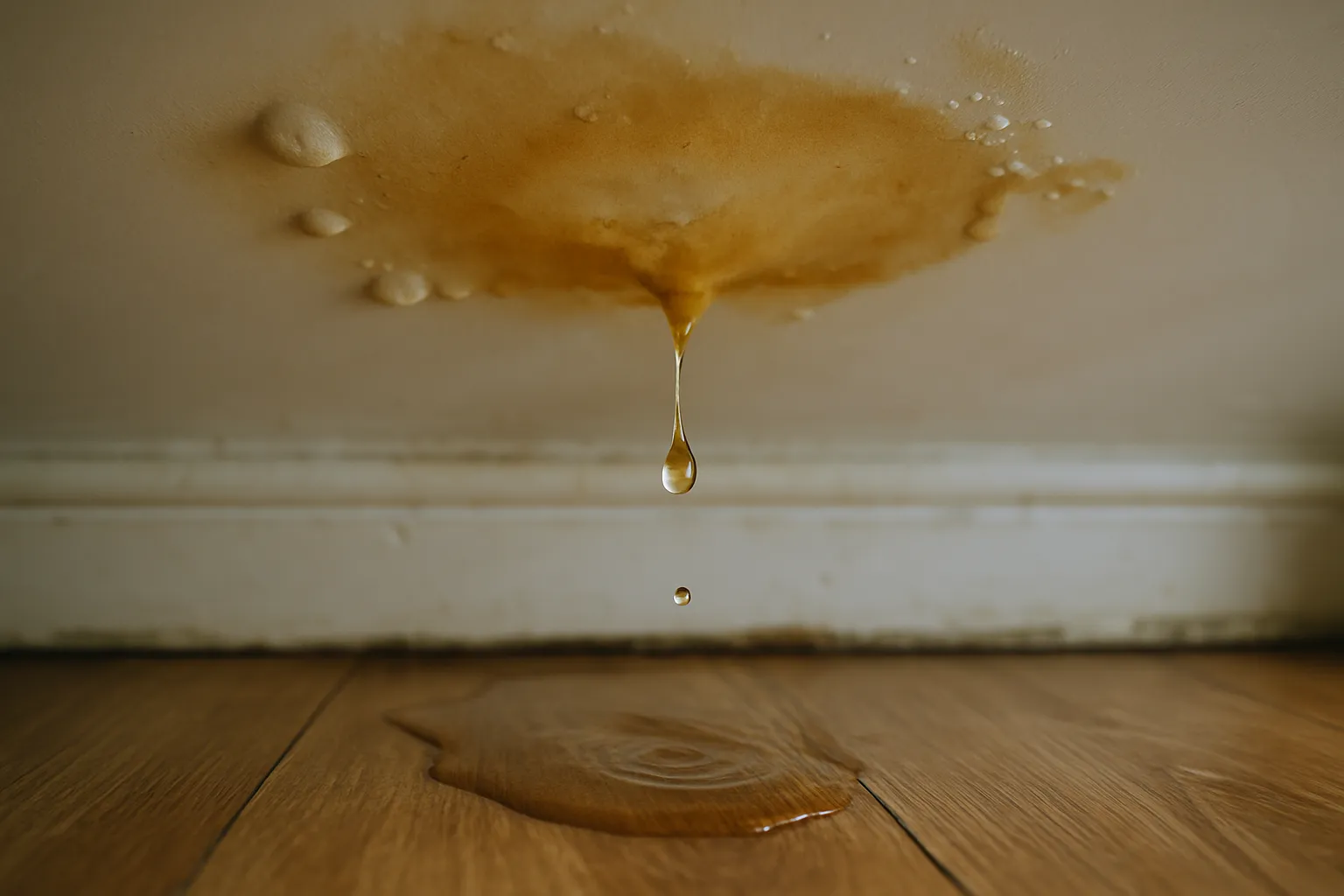
A burst pipe can release hundreds of litres of water in a matter of hours. Once the leak is stopped, the real cost question begins: what will it actually take to put things right? This guide gives you a realistic, honest breakdown of what restoration typically involves in 2026 — and what evidence your insurer will usually ask for.
If water is still flowing, call us now on 07360 268948. Get the leak stopped first; everything else follows from that.
Why the Plumbing Repair Is Only Part of the Bill
The pipe repair itself is often the smallest line on the final invoice. A straightforward burst pipe fix — isolating the supply, cutting out the damaged section, fitting new copper or push-fit — typically costs £150–£400 depending on access and the time of day. Out-of-hours emergency call-outs carry a premium, as you would expect.
The larger costs come from what the water did while it was running.
Typical Cost Breakdown for Water Damage Restoration
1. Drying and Moisture Extraction — £300–£1,200+
Before any building work can begin, the structure must be dried properly. A professional drying company will place industrial dehumidifiers and air movers, then monitor moisture readings daily until the building fabric reaches an acceptable level. This can take one to four weeks depending on how much water soaked in and how long it was present.
Skipping this step causes mould, timber rot and plaster failure later — so it is not a cost worth cutting.
2. Plaster and Render Repair — £200–£800 per room
Saturated plaster almost always has to come off. Once dry, a plasterer will re-skim or re-plaster affected walls and ceilings. Costs vary with the extent of damage, ceiling height and whether original coving or period detail needs to be matched.
3. Floor Replacement — £400–£3,000+
This is often the biggest variable. Engineered hardwood and solid wood floors frequently cannot be saved once wet; laminate almost never can. Ceramic and porcelain tiles may survive if the adhesive bed is intact, but grout lines allow water to penetrate the screed below.
Costs depend heavily on:
- Floor area affected
- Material chosen for reinstatement
- Whether the screed underneath needs replacing
- Underfloor heating systems, which add significant complexity
4. Redecoration — £200–£600 per room
New plaster needs a mist coat before it can be painted properly. Budget for at least two full coats throughout the affected rooms, plus skirting boards, door frames and any ceiling work.
5. Incidental Costs
- Skip hire or waste removal: £150–£300
- Temporary accommodation if the property is uninhabitable: varies widely; check your policy’s “alternative accommodation” clause
- Specialist cleaning for soft furnishings, carpets or personal belongings: £100–£500+
Realistic Total Ranges
| Scenario | Approximate Total |
|---|---|
| Single pipe, minor leak caught quickly, one room affected | £800–£2,500 |
| Overnight burst, two or three rooms, timber floors | £3,000–£8,000 |
| Major failure, multiple floors, structural drying required | £8,000–£20,000+ |
These are indicative figures only. Every situation is different; get itemised quotes from tradespeople before committing.
What Insurers Typically Need
If you intend to make a claim on your home insurance, your insurer will usually ask for:
- Proof of the cause — a written report from the plumber stating what failed, where, and why
- Photographs taken before any work begins — show the pipe, the point of failure, the extent of water spread
- Moisture readings taken at the time of the emergency and during the drying process
- Itemised quotes from drying and reinstatement contractors
- Receipts and invoices for any emergency work already carried out
Our role is to stop the leak, carry out the repair, and provide you with a clear written record: the cause, photographs, moisture readings and a full description of the work done. That documentation belongs to you and is yours to use however you need — including submitting it to your insurer yourself.
Your insurer or loss adjuster will guide you through the claims process. We are not authorised to advise you on your policy, contact your insurer on your behalf, or predict what any claim will pay out.
Reducing the Final Bill
- Act fast. Every hour water sits in a floor or wall increases drying time and damage depth.
- Turn off the water at the stopcock the moment you suspect a burst. If you are not sure where yours is, we can talk you through it on the phone.
- Photograph everything before moving or removing anything.
- Do not use domestic fans or heaters to try to dry things out — they spread moisture and do not remove it from the structure.
Call Us First
If a pipe has burst in your home or business in the TW area, the single most important step is getting the water stopped. Everything else — the drying, the reinstatement, the paperwork — becomes more manageable once the source is controlled.
Call 07360 268948 any time, day or night. We cover Twickenham, Richmond, Teddington, Hounslow, Feltham, Staines and the surrounding TW postcodes, and we aim to be with you quickly.