Insurance
What Your Insurer Needs From a Plumber After a Leak
Find out what documentation your insurer expects after a leak, and how a plumber's cause-of-damage report can speed up your insurance claim.
Published 1 July 2026
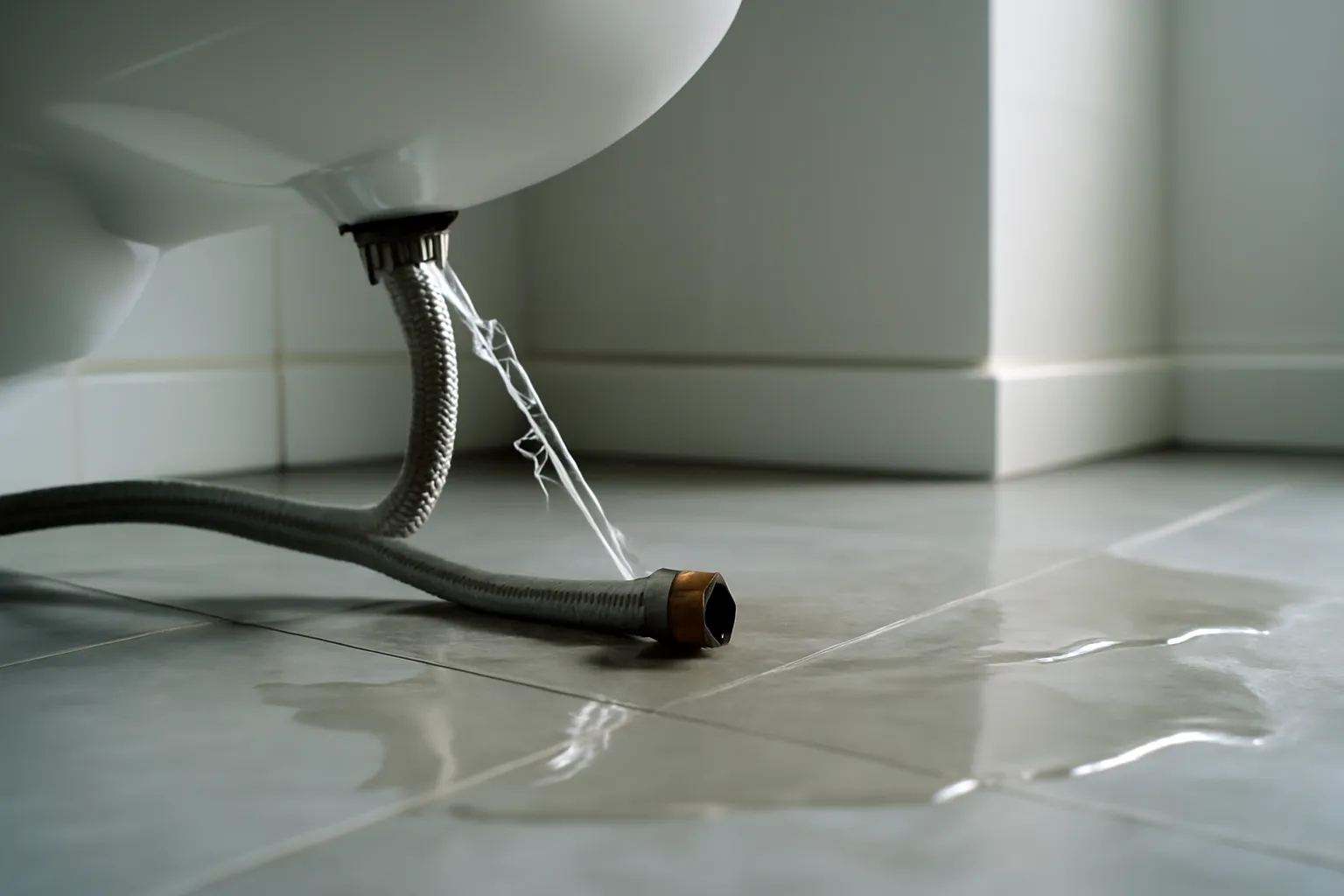
Discovering a leak is stressful enough. Having your insurance claim delayed because the paperwork is incomplete makes things considerably worse. Knowing exactly what your insurer expects — and making sure your plumber provides it — can be the difference between a swift payout and weeks of back-and-forth.
This guide explains what documentation insurers typically ask for, what a cause-of-damage report contains, and how we can help you get everything in order from the moment we arrive.
Why Insurers Ask for a Plumber’s Report
When you make a water damage claim, your insurer needs to establish two things:
- What caused the damage — was it sudden and accidental, or the result of gradual wear that should have been caught earlier?
- What work is needed — so they can assess repair costs fairly.
Without a qualified plumber’s written account, your loss adjuster is working from guesswork. A clear, professional report removes doubt and gives them the evidence they need to process your claim.
What a Cause-of-Damage Report Typically Includes
A good cause-of-damage report is not simply an invoice. It should contain:
1. Description of the Fault
A plain-language explanation of what failed — for example, a burst flexi hose under a basin, a failed pipe joint behind a stud wall, or a corroded section of copper pipework.
2. Likely Cause and Timeline
The plumber’s professional opinion on why the failure occurred and, where possible, how long the leak may have been present. This is particularly important if your insurer is querying whether the damage was sudden or gradual.
3. Evidence of the Damage
Photographs taken before, during, and after any repair work. These should show the source of the leak, the extent of water damage to surrounding materials, and the condition of the failed component.
4. Work Carried Out
A clear record of what was done to make the property safe — isolating the supply, removing the failed part, carrying out a temporary or permanent repair.
5. Recommendations for Further Work
If drying out, replastering, or further investigation is needed, this should be noted. Your insurer will expect to see a complete picture, not just the emergency fix.
6. Plumber’s Details
Name, contact number, and any relevant qualifications or trade registrations. Some insurers specifically request confirmation that the attending plumber is competent to carry out the work.
What Insurers Often Reject or Query
Claims can stall when:
- There is no written record of the cause — only an invoice for parts and labour
- Photographs were not taken before repairs began
- The report is vague about whether the failure was sudden or long-standing
- The plumber cannot be contacted for follow-up questions
If you call us out to an emergency, we document as we go. We understand what loss adjusters look for, and we make sure the paperwork supports your claim rather than complicating it.
Steps to Take Straight After a Leak
- Call your insurer as soon as possible — most policies require prompt notification. Note the claim reference number.
- Do not throw anything away — keep the failed component (the burst pipe, the faulty valve) as physical evidence.
- Take your own photographs — before any drying or cleaning starts, capture the damage from multiple angles.
- Ask your plumber for a written report — not just an invoice. Make this request when you book.
- Keep receipts for any emergency costs — hotel stays, temporary repairs, equipment hire. These may be claimable.
Does the Report Cost Extra?
This varies by plumber. When you call us, ask specifically about a cause-of-damage report at the time of booking — we will confirm what is included in your call-out. There should be no surprises on the invoice.
A Note on Loss Adjusters and Assessors
For larger claims, your insurer may appoint a loss adjuster to visit the property. They will want to speak with the attending plumber or review the report in detail. Keeping our contact details to hand means any questions can be answered quickly, without holding up your claim.
We Are Here When You Need Us
If you have a leak right now, the priority is stopping the damage. Call us on 07360 268948 — we are available 24 hours a day, seven days a week across the TW postcode area. We will make the property safe, document everything properly, and make sure you have what you need to support your insurance claim.
If the emergency has already been dealt with and you need a written report for an ongoing claim, get in touch and we can discuss what we are able to provide based on the work carried out.