Maintenance
Washing Machine and Dishwasher Leaks: Prevent the Flood
Stop appliance leaks before they start. Practical advice on hose checks, isolation valves and drip trays for TW area homeowners.
Published 1 July 2026
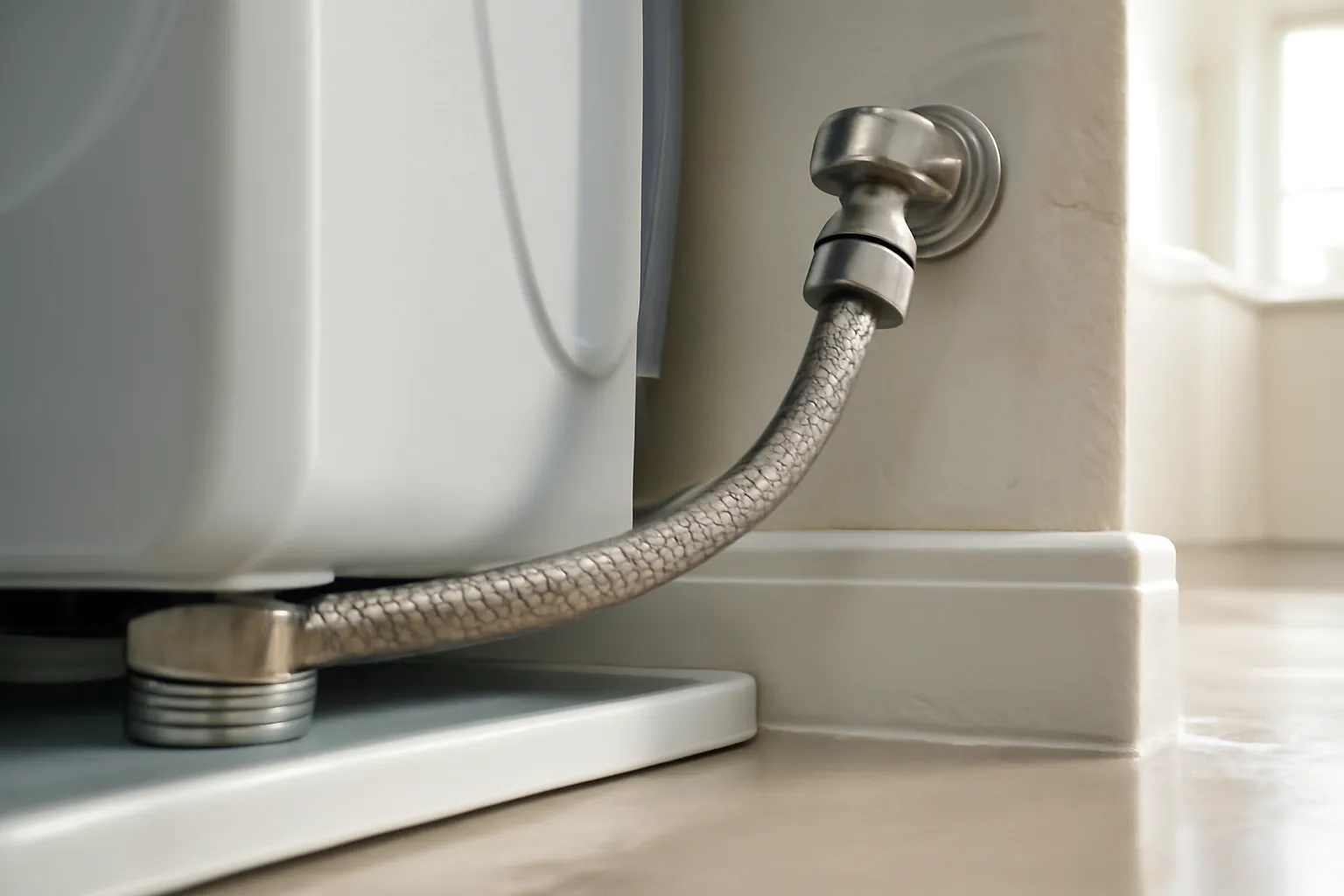
A slow drip behind your washing machine or dishwasher can go unnoticed for weeks. By the time you spot a puddle, water may already have soaked into floorboards, seeped under kitchen units or started working its way through to the ceiling below. The good news is that most appliance leaks are preventable with a few simple checks carried out a couple of times a year.
Why Appliances Leak
Both washing machines and dishwashers rely on flexible fill hoses, drain hoses and internal door seals to keep water where it belongs. These components degrade over time — rubber perishes, fittings loosen and connections corrode. The most common culprits are:
- Fill hoses (the braided or rubber pipes connecting the appliance to your water supply)
- Drain hoses (the corrugated pipe that carries waste water to the standpipe or trap)
- Door seals and gaskets (particularly on front-loading washing machines and dishwashers)
- Pump and filter housings (often the source of slow, hard-to-spot leaks underneath the machine)
Checking Your Hoses
What to look for
Pull your appliance out slightly — or use a torch to peer behind it — and inspect the fill hoses along their full length. Look for:
- Bulging or blistering in the rubber
- Hairline cracks, especially near the end fittings
- Mineral deposits or rust staining around the connections
- Any sign of dampness on the wall or floor behind the machine
Braided stainless-steel hoses are more durable than plain rubber, but they are not indestructible. If your hoses are more than five years old and you do not know when they were last replaced, it is worth swapping them out as a precaution. Replacement hoses are inexpensive and widely available from plumbers’ merchants and hardware shops.
Tightening connections
Hand-tighten the fittings first, then use a spanner to give a quarter-turn more. Do not over-tighten — you risk cracking the fitting or damaging the thread. Once retightened, run a short wash cycle and check again for drips.
Isolation Valves: Your Best Friend
Every washing machine and dishwasher should have its own isolation valve — a quarter-turn tap fitted in the supply pipe, usually behind or beneath the appliance. Turning it off:
- Stops water flow instantly if a hose bursts
- Makes maintenance and hose replacement safe and straightforward
- Allows you to isolate the appliance without shutting off water to the rest of the house
Check that your isolation valve actually works. Turn it off, then check that no water comes from the fill hose when you disconnect it slightly. Valves that have not been operated for years can seize. If yours will not turn, or if you do not have one fitted at all, a plumber can install one quickly and affordably.
Drip Trays
A drip tray sits underneath the appliance and catches small leaks before they reach your floor. They are particularly useful:
- In flats, where a leak can quickly become a neighbour’s problem
- Under appliances installed on wooden floors or over a finished ceiling
- In utility rooms where the appliance may not be checked daily
Plastic drip trays are available for both washing machines and dishwashers. Some models come with a built-in overflow sensor that triggers the appliance to stop mid-cycle. For peace of mind, a tray is one of the cheapest forms of flood insurance available.
Door Seals and Filters
Door seals
Wipe the rubber door seal of your washing machine after every few washes. Mould, grit and detergent residue collect in the folds and cause the rubber to degrade faster. If the seal is already torn or has visible gaps, replace it — a leaking door seal will put water on your floor every single cycle.
Filters and pump housings
Most washing machines have an accessible filter at the front lower panel. Clean it every one to three months. A blocked filter puts pressure on the pump housing, which can cause leaks from the base of the machine.
When to Call a Plumber
Some appliance leaks are beyond a simple DIY fix:
- A burst fill hose flooding the room — turn off the isolation valve immediately, then call us
- Water coming from inside the machine body or beneath it
- A seized or missing isolation valve
- Damage to the floor or walls that suggests a long-running leak
If you are in any doubt about the source of a leak, or if water is spreading quickly, do not wait.
Appliance leaks are one of the most common causes of water damage in TW area homes, but they are also among the most preventable. A ten-minute check of your hoses and valves every six months can save you a great deal of disruption and expense.
If you have a leak that needs attention right now, call Emergency Plumbers TW any time on 07360 268948. We cover Twickenham, Richmond, Teddington, Hounslow, Feltham, Staines and the surrounding area, 24 hours a day, seven days a week.