Insurance
Trace and Access Cover Explained: Why It Matters After a Leak
Find out what trace and access insurance covers, why it matters for hidden leaks, and how a professional leak detection service works with your policy.
Published 29 June 2026
What Is Trace and Access Cover?
If you have ever discovered a damp patch on a ceiling or a mysteriously high water bill with no obvious cause, you will know how unsettling a hidden leak can be. What many homeowners do not realise is that their buildings insurance policy may include a section called trace and access cover — and it can save them a significant sum.
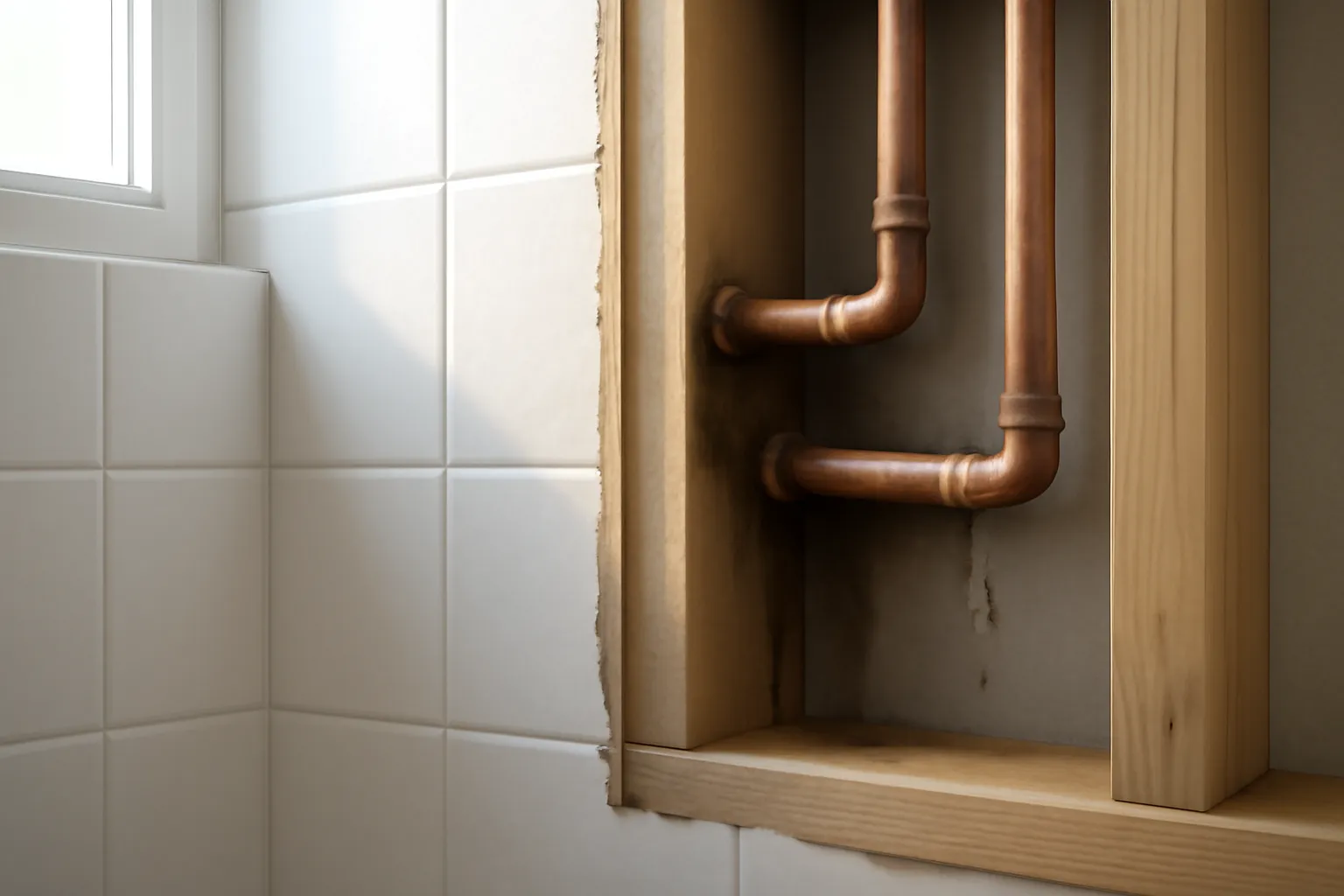
In plain terms, trace and access cover pays for the cost of finding a hidden leak and opening up the building fabric to reach it. That means the labour and materials involved in lifting floor tiles, cutting into plasterboard, or exposing pipework concealed behind walls. It does not usually pay for the repair of the pipe itself or the reinstatement of the surface once the work is done — those costs often fall under a separate section of your policy or are your own responsibility.
Why Hidden Leaks Are Particularly Costly
A dripping tap is an inconvenience. A slow leak behind a tiled bathroom wall or beneath a concrete screed is a different matter entirely. Left undetected, these leaks can:
- Saturate floor joists and cause structural damage
- Promote mould growth inside wall cavities
- Undermine adhesive under floor coverings
- Gradually erode grouting and cause tiles to lift
The longer the leak runs, the more destructive — and expensive — the consequences become. This is precisely why trace and access cover exists: the cost of finding the leak can easily run into hundreds of pounds before a single repair is made.
What Trace and Access Cover Typically Includes
Every policy is different, so always read your schedule carefully. As a general guide, trace and access sections commonly cover:
- Professional leak detection — including specialist equipment such as acoustic listening devices, thermal imaging cameras, and tracer gas testing
- Breaking out — the controlled removal of tiles, plaster, floorboards, or screed needed to expose the faulty pipe
- Making the area safe — isolating the supply and containing any water damage already present
What It Usually Does Not Cover
- The cost of repairing or replacing the leaking pipe
- Reinstating the surface (re-tiling, re-plastering, new flooring)
- Leaks caused by poor workmanship or gradual wear that you knew about and ignored
- Escape of water damage to contents (that is a separate contents insurance matter)
How to Make a Trace and Access Claim
- Contact your insurer first. Let them know you suspect a hidden leak and ask whether your policy includes trace and access cover. Get a claim reference number.
- Do not start any investigative work yourself. Randomly lifting tiles or cutting into walls without a clear plan can invalidate a claim and make the leak harder to locate accurately.
- Book a professional leak detection visit. Your insurer may have approved contractors, or they may allow you to choose your own. Either way, a written report from the attending plumber is essential for the claim.
- Keep all invoices and photographs. Document every stage: the symptoms, the detection process, and the point at which the leak is exposed.
- Confirm the scope with your insurer before reinstatement. Some policies require a second authorisation before you proceed with repairs.
How We Work With Trace and Access Policies
At Emergency Plumbers TW, we use non-invasive detection methods wherever possible — acoustic equipment, moisture mapping, and thermal imaging — to pinpoint a leak before we open anything up. This minimises the area that needs to be disturbed, which keeps both the disruption and the claim cost as low as possible.
Once the leak is located, we provide a written report detailing:
- The suspected source and cause of the leak
- The detection methods used
- The minimum access required to expose and repair it
This report is exactly what your insurer needs to process the trace and access portion of your claim. We are experienced in working alongside loss adjusters and can answer any technical questions they raise.
Does Every Policy Include Trace and Access?
No. It is an optional add-on with many insurers, and some standard home insurance policies do not include it at all. Check your policy documents under “escape of water” or “trace and access” — or call your insurer directly if you are unsure.
If your policy does not include it, the cost of detection and access still needs to be met — but catching a hidden leak early almost always works out cheaper than leaving it to worsen.
Worried You Have a Hidden Leak?
Signs such as unexplained damp, a warm patch on a cold floor, the sound of running water when everything is turned off, or a sudden rise in your water bill all warrant investigation. The sooner a leak is found, the less damage it causes.
If you are in the TW postcode area and need a professional leak detection visit — whether you are making a trace and access claim or simply want to know what is going on — call us any time on 07360 268948. We are available 24 hours a day, seven days a week, and we will give you an honest assessment of what we find.