Insurance
Tenant or Landlord? Who Pays for a Leak and Insurance
Not sure who is responsible for a leak in a rented property? This guide explains the tenant/landlord split and what each party's insurance covers.
Published 30 June 2026
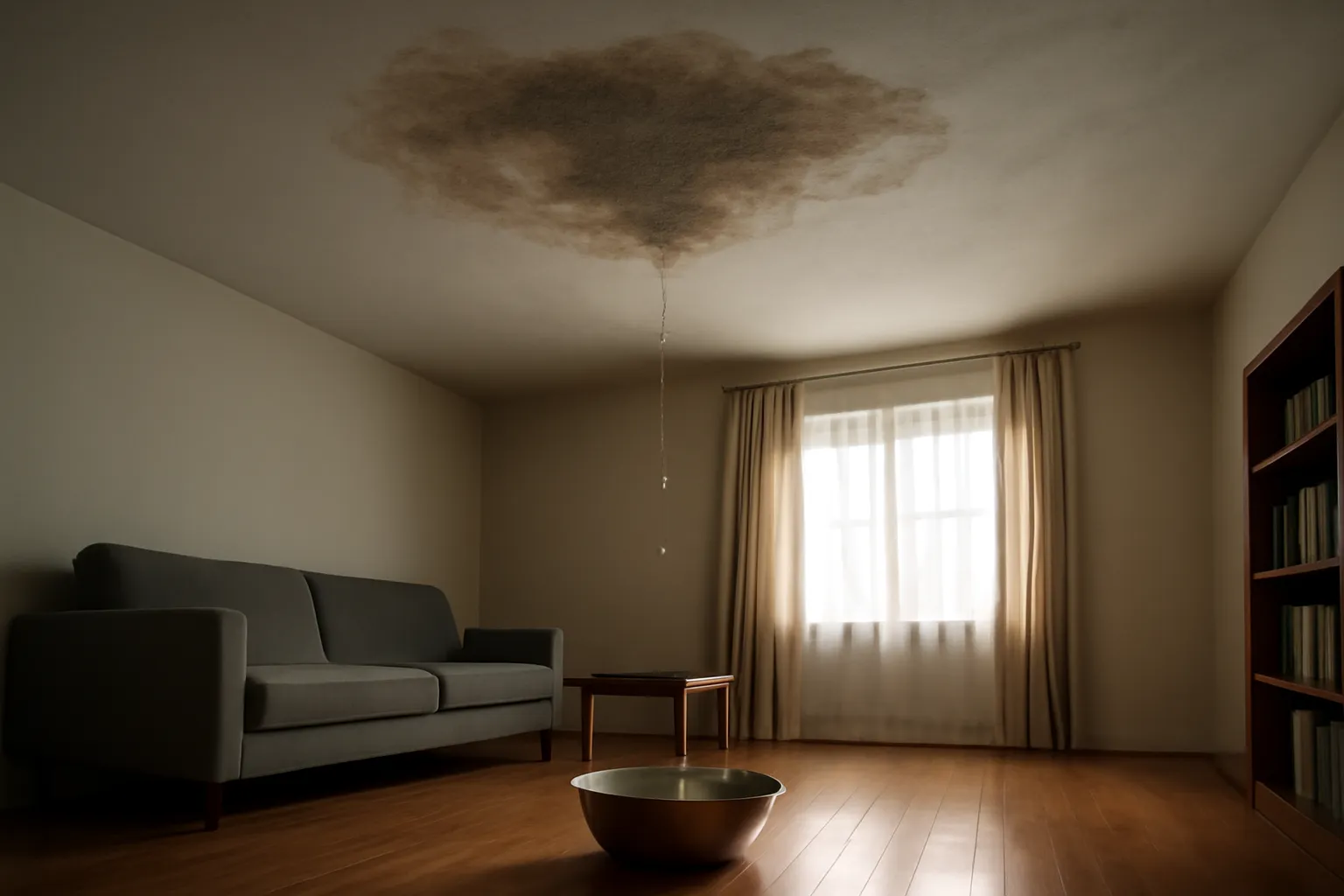
A leak is stressful enough without having to argue about who should pay for it. If you are renting in the TW area — whether you are a tenant watching a damp patch spread across the ceiling or a landlord who has just had an anxious call from your tenant — this guide sets out the general rules so you can act quickly and sort out the paperwork afterwards.
Leak happening right now? Call us on 07360 268948 and we will get someone to you. Responsibility questions can wait; water damage cannot.
The General Rule: Structure vs Contents
The simplest way to split responsibility is:
- Landlord → the building, its structure, and the fixed installations
- Tenant → their personal belongings and any damage they caused through negligence
This is not just convention — it is largely set out in the Landlord and Tenant Act 1985, which requires landlords to keep the structure, exterior, and service installations (water, gas, heating) in good repair.
What Is the Landlord Responsible For?
A landlord is typically responsible for repairing and paying for:
- Burst or leaking pipes within the walls, floors, or ceiling
- A leaking roof or guttering that allows water ingress
- A faulty boiler, hot-water cylinder, or central-heating system
- Shared or communal plumbing in a block of flats
- Damage to the building’s fabric caused by those defects (e.g. plasterwork, flooring that is part of the property)
The landlord is also responsible if they were notified of a problem and failed to act, and that inaction made the damage worse. Always report issues in writing — a text or email is fine — so there is a clear record.
Landlord Buildings Insurance
Most landlords hold a specialist landlord buildings insurance policy. This will typically cover sudden, accidental water damage to the structure and permanent fixtures. It will not usually cover gradual leaks that went unreported, or damage caused by a tenant’s negligence.
What Is the Tenant Responsible For?
A tenant is generally responsible for:
- Damage caused by their own actions — for example, drilling into a pipe, leaving a tap running, or blocking a drain with inappropriate waste
- Their own furniture, clothing, electronics, and other personal belongings
- Reporting a known problem promptly (failure to do so can shift some liability)
Tenant Contents Insurance
Contents insurance covers the tenant’s own possessions if they are damaged by water — for example, a landlord’s burst pipe soaking through to ruin a laptop or sofa. Some contents policies also include accidental damage cover, which may help if the tenant accidentally caused the leak.
Check your policy wording carefully; not all standard contents policies include water damage as standard.
Grey Areas and Common Disputes
Real life is rarely as tidy as legislation. Here are situations that often cause disagreement:
| Situation | Likely responsibility |
|---|---|
| Pipe inside the wall bursts with no warning | Landlord |
| Tenant leaves the bath running and it overflows | Tenant |
| Slow drip under the sink the tenant ignored for weeks | Shared — tenant should have reported it |
| Washing machine (tenant’s) floods the kitchen | Tenant (or their contents insurer) |
| Washing machine (landlord’s appliance) floods the kitchen | Landlord |
| Upstairs neighbour’s leak damages your flat | Upstairs neighbour / their insurer (or the freeholder in a managed block) |
Practical Steps When a Leak Occurs
- Stop the water — turn off the stopcock or isolate the supply to the affected area. Not sure where it is? Our team can talk you through it on the phone.
- Notify the landlord or letting agent immediately — do this in writing, even if you also call them.
- Document everything — photographs and short videos with timestamps are invaluable for any insurance claim.
- Move valuables — get electronics, documents, and other irreplaceable items out of harm’s way.
- Call a plumber — if the landlord is unreachable and the leak is causing ongoing damage, a tenant is generally entitled to arrange emergency repairs and recover reasonable costs. Keep all receipts.
- Contact your insurer — whether you are the landlord or tenant, notify your insurer promptly. Delayed notification can complicate claims.
A Note on Flats and Leasehold Properties
If you live in a flat, the freeholder or managing agent often holds the buildings insurance for the whole block. Leaks from a flat above are common and the liability chain can involve multiple parties. The managing agent is usually the right first call in those situations.
When in Doubt, Get the Leak Fixed First
Disputes about money are far easier to resolve than disputes about mould, structural damage, or destroyed belongings. A small leak left for a few days can cause thousands of pounds of damage and serious health issues such as damp and mould growth.
If you are in the TW postcode area and need a plumber quickly — whether you are a tenant, a landlord, or a letting agent — call Emergency Plumbers TW on 07360 268948. We are available 24 hours a day, every day of the year, and we can help you stop the damage while you work out the rest.